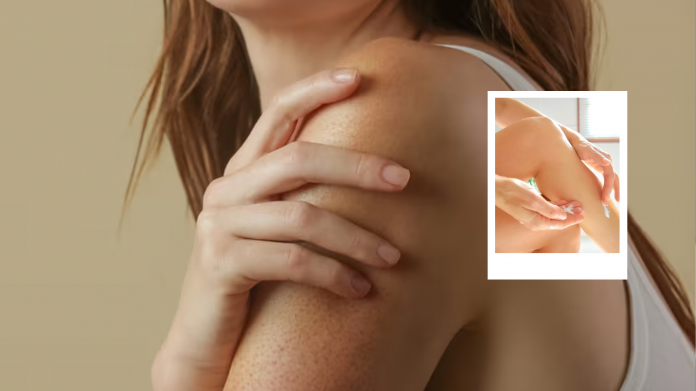
If you’ve noticed rough, bumpy patches on your arms or thighs that look like tiny goosebumps, you might be dealing with a common skin condition called keratosis pilaris—often nicknamed “chicken skin.” While this harmless condition can be frustrating and affect your confidence, the good news is it often improves with age. Here, dermatologist Dr. Angeline Yong shares insights into what causes keratosis pilaris and how to effectively manage it.

What is keratosis pilaris?
Keratosis pilaris causes small, raised bumps to appear on the skin, often on the upper arms, thighs, and sometimes the face. These bumps can range in color from skin-toned to red or brown, giving the skin a rough, bumpy texture reminiscent of chicken skin.
Dr. Yong explains, “These bumps result from an excess buildup of keratin, a protective protein in the skin, which clogs hair follicles and creates these characteristic patches.” Unlike eczema or other skin conditions, keratosis pilaris usually doesn’t cause significant itching or pain, though mild irritation can occur if the skin becomes dry.
While the condition is benign and doesn’t require medical treatment, it can impact how your skin looks and feels. “It’s important to distinguish keratosis pilaris from other conditions, especially when it appears on the face,” Dr. Yong advises. In such cases, consulting a dermatologist is key for an accurate diagnosis and treatment plan.

What causes keratosis pilaris?
This skin condition is most commonly seen in adolescents and young adults, often associated with dry skin and genetic predisposition. Dr. Yong notes, “Keratosis pilaris is especially prevalent among those with a family history of the condition and those with naturally dry skin.”
Although the exact reason keratosis pilaris tends to fade as people age is unclear, it’s generally believed that keratin production decreases over time, reducing the blockage in hair follicles. Because keratosis pilaris is harmless and often improves with age, many people don’t seek treatment. However, for those troubled by its appearance, there are several ways to manage and reduce the bumps at home.

How to manage keratosis pilaris at home
While there’s no instant cure for keratosis pilaris, regular care can improve the skin’s texture and appearance:
- Moisturise
Keeping skin hydrated is crucial. Applying a rich moisturizer immediately after showering helps lock in moisture and soften the bumps. Look for creams containing ingredients like urea, lactic acid, or glycerin, which soothe and hydrate the skin effectively.
- Exfoliate gently
Exfoliation helps remove dead skin cells that contribute to follicle blockage. Choose a gentle exfoliant suitable for your skin type. Physical scrubs with fine granules can be used on normal skin, while those with sensitive or dry skin may benefit from chemical exfoliants containing alpha-hydroxy acids (AHAs) like glycolic or lactic acid, or beta-hydroxy acids (BHAs) like salicylic acid.
Always moisturise after exfoliating to soothe and replenish your skin.
Dr. Yong stresses, “Consistency and patience are key—treating keratosis pilaris takes time, and harsh soaps or aggressive products can worsen it.”

When to see a dermatologist
If home treatments don’t improve your skin or if you’re unsure about the diagnosis, consulting a dermatologist is advisable. Medical treatments can offer stronger and more targeted solutions:
- Prescription topical treatments
Dermatologists can prescribe creams with higher concentrations of AHAs, BHAs, or retinoids to accelerate cell turnover and reduce keratin buildup more effectively.
- Chemical peels
For deeper exfoliation, in-clinic chemical peels using stronger acids can help smooth the skin.
- Laser therapy
In some cases, laser treatments such as long-pulsed or fractional CO2 lasers may be recommended to improve skin texture and reduce the appearance of bumps.
Keratosis pilaris, while harmless, can be a source of frustration due to its visible texture and appearance. The condition usually improves with age, but with proper moisturizing, gentle exfoliation, and, if necessary, dermatologist-guided treatments, you can manage it effectively. Remember, patience and consistent care are essential to seeing lasting results. If you’re struggling with “chicken skin,” take comfort in knowing you’re not alone—and with the right approach, smoother skin is within reach.