
Imagine a city that literally pays you back for being eco-conscious. In Copenhagen, the new CopenPay initiative turns responsible travel into a currency of free experiences—from museum access and boat tours to meals and wellness classes. By completing green tasks like biking, picking up litter, or arriving by train, visitors earn rewards that merge fun with purpose, aligning tourism with climate-friendly behavior without compromising discovery.
What is CopenPay and why it matters
CopenPay is a pioneering program launched by Copenhagen’s tourism board to nudge visitors toward eco-friendly actions during their stay. Instead of passive encouragement, the city offers tangible incentives: rewards like free museum entry, bike rentals, coffee, or guided tours are unlocked by behaviors such as cycling instead of driving, cleaning parkland and canals, opting for plant‑based dining, or arriving sustainably by train or electric vehicle. Guests simply document their activity—via photos, receipts, or tickets—to receive perks, embodying Copenhagen’s trust-based social ethos.
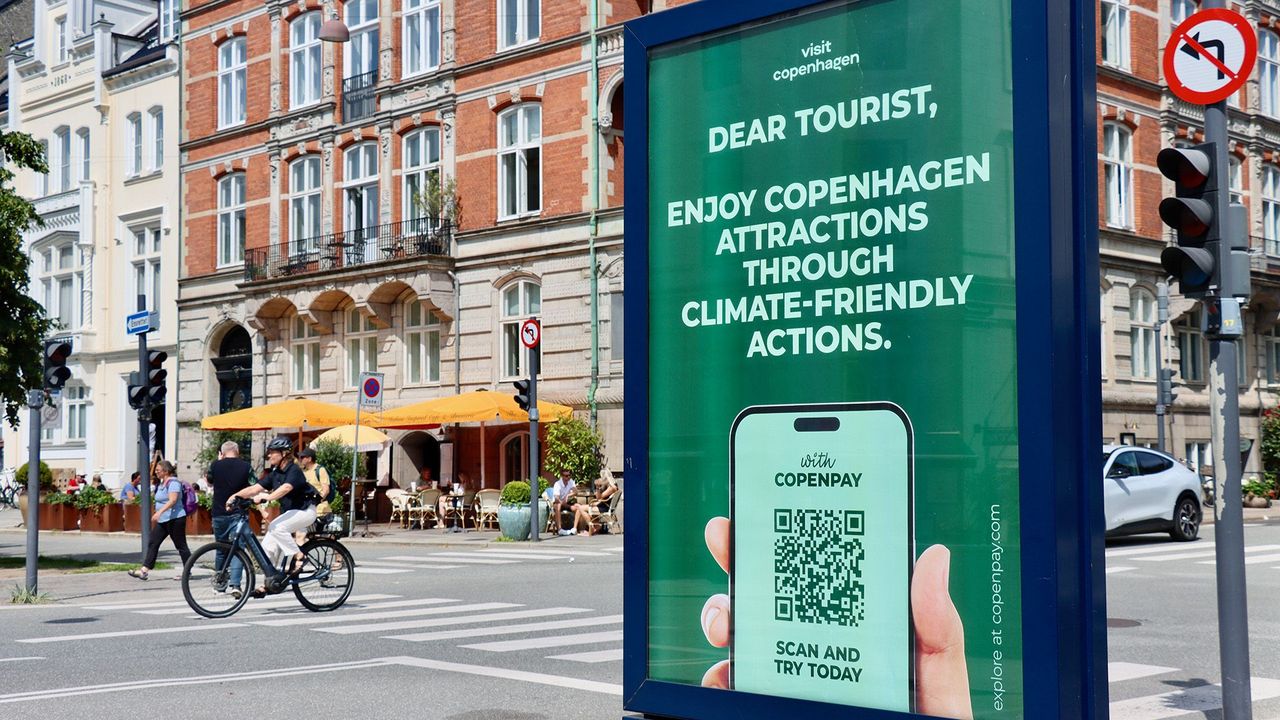
The scheme initially ran as a pilot over four weeks last year and returns this summer with expanded coverage. It reflects the city’s ambition to turn tourism into a force for good: closing the gap between travelers’ intentions to act environmentally and their ability to do so. In effect, CopenPay reframes sustainable tourism as a participatory game—one that rewards mindfulness through meaningful engagement.
How rewards shape behavior and travel patterns
Instead of offering discounts on shopping or transportation, the program emphasizes experiences tied to Danish cultural and environmental values. Helpful actions like joining community cleanups can earn a free kayak ride; biking to a sustainable attraction might reward you with admission or tasting opportunities. Staying four nights or more, or arriving by train, also unlocks special perks, encouraging longer, lower-impact visits.
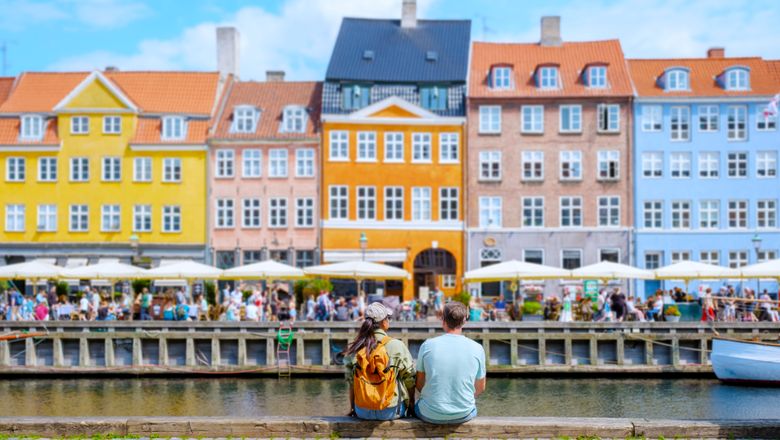
Even small gestures translate into access—planting a few seeds at a local garden can earn admission to a historic site, while picking up trash at a harbor nets a lunch or coffee. In aggregate, the program has driven significant change: bike rentals rose nearly 30 percent during last year’s edition, and participation exceeded expectations across museums, tours, and wellness venues. It’s become an intimate way for travelers to interact with the city and its values, rather than just pass through.
How Copenhagen builds trust into incentives
CopenPay runs on the honor system: travelers verify their actions through lightweight proof—bike rental receipts, photos while picking litter, or digital transport tickets. Most of the time, trust is sufficient. The program’s flexibility reflects Danish cultural norms about social responsibility and integrity.

This low-friction design matters. It removes barriers to participation, ensuring that rewards feel earned, not gamed. And it spreads sustainability through personal action rather than signage or guilt. Visitors, motivated by small tangible returns, engage with local spaces—parks, gardens, canals—that they might otherwise ignore, deepening their connection with Copenhagen beyond conventional tourism.
A blueprint for ethical tourism with global resonance
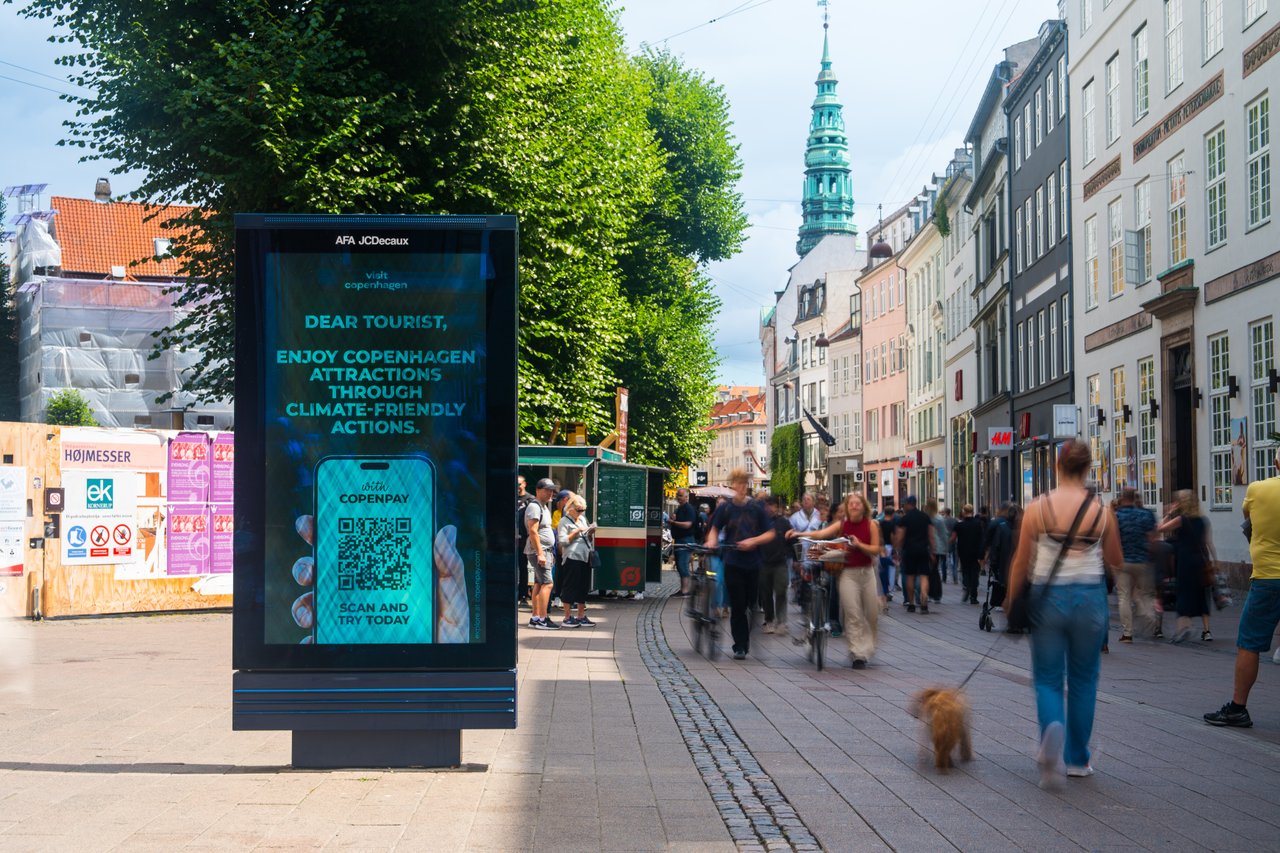
CopenPay isn’t merely a local initiative—it’s Canada’s innovation in destination management. It demonstrates how tourism can become regenerative rather than extractive. By aligning visitor incentives with environmental stewardship, Copenhagen becomes a living laboratory for sustainable hospitality.
The scheme also underscores planning credibility: Copenhagen aims to be carbon-neutral by 2025, and is doubling down on inclusive, intentionally paced tourism. Rather than increasing visitor volume, it promotes dispersed, responsible activity. As other cities observe Copenhagen’s results—from engaged travelers to measurable reductions in emissions—it models how smart policy and local partnership can transform tourism into mutual thriving.