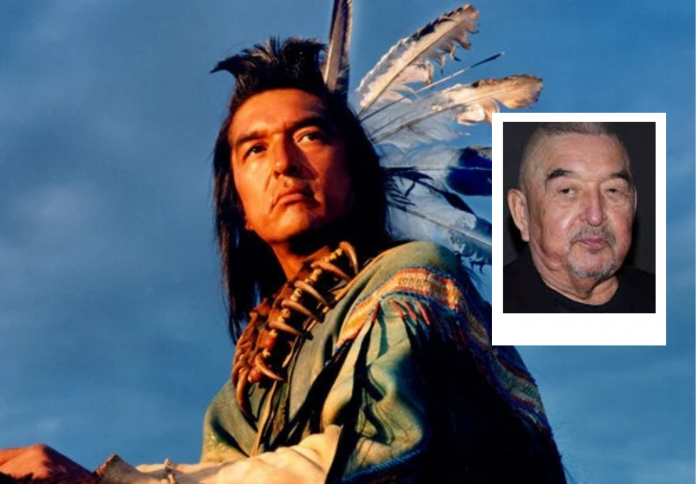
Graham Greene, the legendary Canadian actor whose quiet strength and profound authenticity graced the screen for nearly five decades, has died at the age of 73. A proud member of the Oneida Nation of the Six Nations Reserve, Greene’s journey from a tradesman to an Oscar-nominated actor was a powerful testament to his talent and unwavering spirit. He was a trailblazer who not only broke down barriers for Indigenous actors but also served as a vital bridge between a misconstrued past and a hopeful future of Indigenous storytelling. Through his work, he proved that Native stories deserved to be told with dignity, humor, and, most importantly, truth.
From Six Nations to the Silver Screen
Born in 1952 in Ohsweken, Ontario, on the Six Nations Reserve, Graham Greene’s path to acting was anything but conventional. Before he became an icon of the silver screen, he worked a series of manual jobs, from a draftsman to a high steelworker and a welder. For a time, he even worked as an audio technician for rock bands, a far cry from the dramatic roles that would one day define his career. His entry into acting was, as he once described it, accidental—he stumbled into a theater workshop and found a passion that “beat carrying amplifiers around for loud bands.”
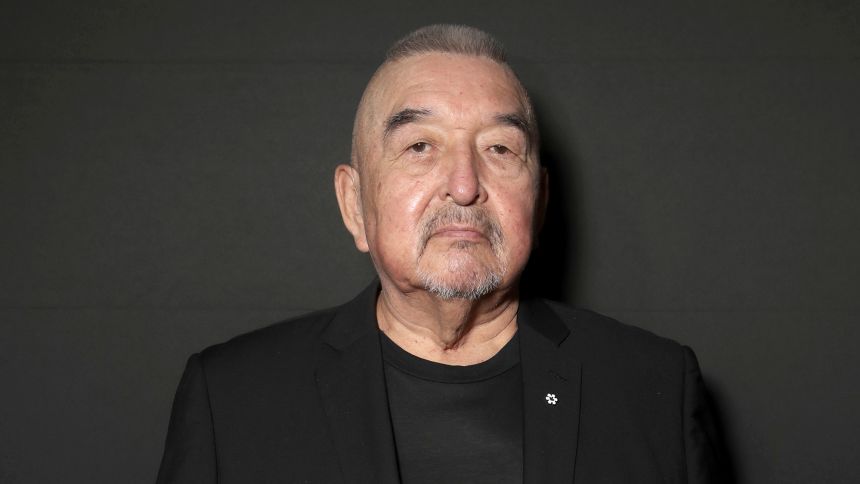
After graduating from the Native Theatre School in Toronto in 1974, Greene began building a formidable stage career, even winning a Dora Mavor Moore Award for his role in Tomson Highway’s play Dry Lips Oughta Move to Kapuskasing. By the late 1970s, he began his transition to television and film, with early roles in Canadian series like The Great Detective and the film Running Brave. Through hard work and a quiet intensity, he laid the foundation for a career that would ultimately transcend borders and change the landscape of Hollywood.
Kicking Bird and a Career Unparalleled
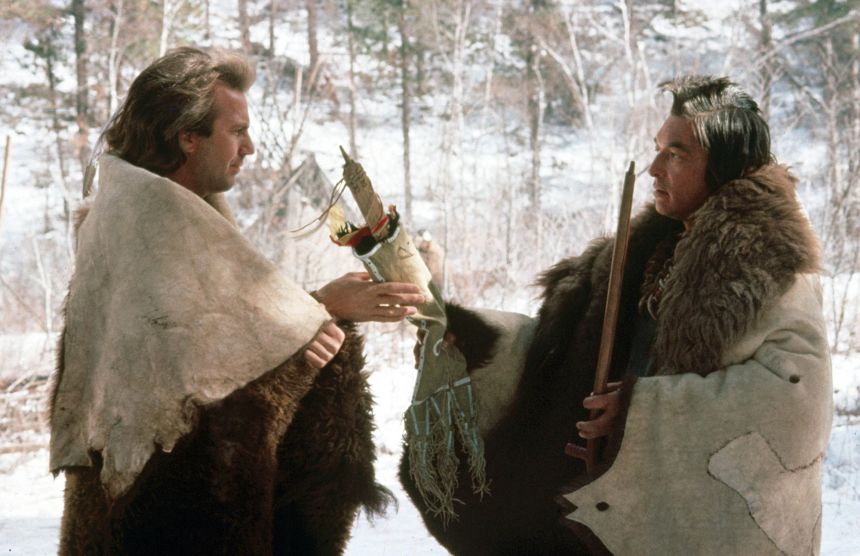
Greene’s career reached its zenith with his landmark role as Kicking Bird in Kevin Costner’s 1990 masterpiece, Dances with Wolves. His performance as the introspective and wise Lakota Sioux elder earned him a Best Supporting Actor nomination at the 1991 Academy Awards, a significant and groundbreaking moment for Indigenous representation in Hollywood. The film, which won seven Oscars, including Best Picture, brought Greene’s singular talent to a global audience. Costner, in a heartfelt tribute, posted a scene from the film and recalled Greene’s willingness to learn the Lakota language and how he was a “master at work and a wonderful human being.”
His Oscar nomination was just the beginning of a long and successful career that spanned genres and continents. From playing a New York City cop in Die Hard with a Vengeance to the philosophical groundskeeper Arlen Bitterbuck in The Green Mile, Greene’s versatility was immense. He also appeared in critically acclaimed films like Maverick, Wind River, and the Twilight Saga. His ability to bring authenticity and humanity to every character, no matter how big or small, set him apart from his contemporaries and made him an actor who elevated any project he joined.
A Quiet Force in a New Era
While his film career earned him international fame, in recent years, Greene became a beloved presence on television, appearing in some of the most critically acclaimed programs of the new generation. He had roles in hit series like Reservation Dogs, 1883, The Last of Us, and Tulsa King, bringing a sense of gravitas and dry wit to each part. His appearance on Reservation Dogs, a groundbreaking series that features an all-Indigenous cast and crew, was particularly poignant.
For a new generation of Indigenous actors, Graham Greene was more than just a peer; he was a mentor and an inspiration. D’Pharaoh Woon-A-Tai, who played Bear Smallhill on Reservation Dogs, shared an emotional tribute on Instagram, writing, “You showed us it can be done and how to leave your mark. Trail blazing for every young native actor just dreaming.” He affectionately referred to Greene as “Uncle” and credited him with teaching him “everything I know about this industry and more.” Greene’s presence on screen served as a quiet but powerful force, proving that Indigenous artists not only belonged in the industry but were essential to its future.
A Legacy of Authenticity
As news of his passing spread, tributes poured in from across the entertainment world, highlighting the profound impact he had on his peers. Lily Gladstone, the Oscar-nominated star of Killers of the Flower Moon, wrote that Greene “lived on the screen in an absolutely unparalleled way” and that “his impact is unparalleled and expansive.” The Governor General of Canada, Mary Simon, also released a statement saying that Greene “broke barriers for Indigenous actors, challenging stereotypes and opening doors for future generations.”
Beyond his acting, Greene was a man of many talents. He won a Grammy in 2000 for his work on the children’s spoken word album Listen to the Storyteller and provided the voice for the character Rains Fall in the massively popular video game Red Dead Redemption 2. He received countless accolades throughout his career, including the Governor General’s Performing Arts Award for Lifetime Artistic Achievement. In every role, whether dramatic or comedic, Greene refused to be a stereotype. He infused his characters with a quiet dignity and a sly sense of humor, portraying the full, complex humanity of Indigenous people. His legacy is one of unwavering authenticity and an enduring belief that stories, when told with honesty, have the power to change the world.