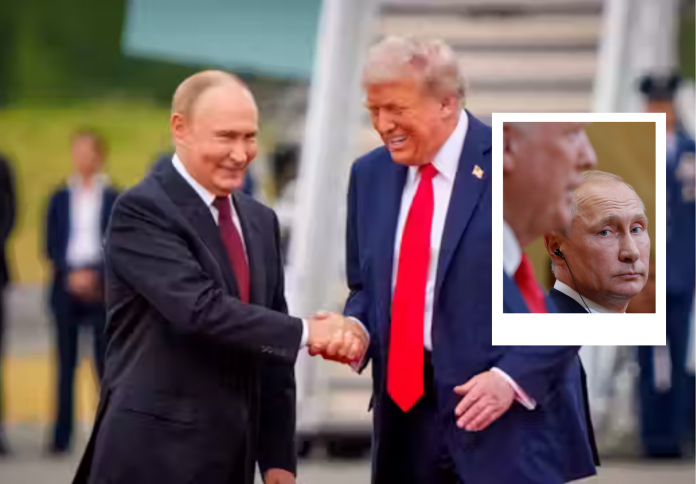
The world watched as a meticulously planned summit unfolded between U.S. President Donald Trump and Russia’s Vladimir Putin in Alaska, ostensibly to end the war in Ukraine. But the carefully choreographed “theatre” of the occasion served only to underscore a profound failure of U.S. statecraft. Despite the high-profile media coverage and photo opportunities, no peace deal was reached. Instead, the very act of the meeting and the nature of the interactions did considerable damage to the U.S. and broader Western position on Ukraine while strengthening Russia’s stance on the world stage. The diplomatic mechanism of summitry, a risky endeavor, delivered more concessions to Moscow than it could have hoped for, making it the clear winner in the encounter.
The End of Isolation
The most immediate and profound victory for Russia was the simple fact that the summit took place at all. By embracing Vladimir Putin on equal terms, with all the ceremonial accoutrements of a state visit, the U.S. effectively ended Putin’s international isolation. For years, European powers had worked to diplomatically sideline the Russian leader as a consequence of his aggressive actions in Ukraine. The Alaska summit not only undermined this effort but also immediately rehabilitated Putin’s image, positioning him as a respected and necessary partner on the world stage.
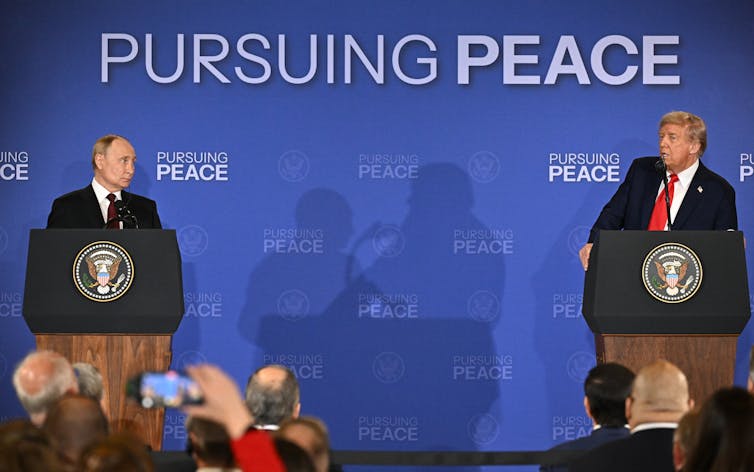
This symbolism was best demonstrated during the joint statement to the media. Putin spoke first, and for a longer duration, delivering a well-crafted and poised speech. This contrasted sharply with Trump’s short, rambling remarks, which further reinforced the impression of a powerful, capable Russian leader. By recreating the familiar spectacle of a Cold War summit, Trump actively indulged and reinforced Putin’s own nostalgic fantasies of Russia being a global superpower with hegemonic geopolitical entitlements.
Concessions Without Compromise
Beyond the symbolic victory, the summit delivered tangible strategic concessions to Russia that it could not have won through conventional diplomacy. The U.S. side’s apparent poor preparation, including entering the meeting without any preconditions, handed Moscow a significant advantage. The public call for a ceasefire in Ukraine, a key demand from the U.S., was abandoned entirely. Additionally, the prospect of any new sanctions on Russia evaporated.
In an even more damaging concession, the U.S. president is now advocating for Ukraine to cede additional territory to Russia, beyond what has already been taken by force. This shift in position bought Russia more time on the battlefield, allowing it to make further advances while feigning serious negotiations. By persuading Trump to give up his demand for an immediate ceasefire, the Russians stalled any further pressure from Washington and effectively locked in their gains.
Skilful Statecraft Versus Poor Preparation
The stark contrast between the two leaders’ approaches was central to the outcome. On the one hand, Russia engaged in skilful statecraft, understanding precisely how to play to Trump’s personality and political motivations. Putin hinted at future “superpower summits” and framed potential U.S.-Russian business cooperation as a “tremendous opportunity” in areas like trade, technology, and Arctic exploration. By bringing his treasury and commerce secretaries to Alaska, Trump had clearly taken the bait, viewing the summit as a transactional opportunity that required the “troublesome issue” of Ukraine to be quickly settled.

This poor preparation on the U.S. side was laid bare by the lack of any substantive agreement. The entire event was a performance, designed to provide Trump with a theatrical photo opportunity and a chance to play the role of a peacemaker. In the end, Trump’s love of the limelight led him to leave without any real improvement in relations or a path to peace, mirroring the outcome of his previous meeting with North Korea’s Kim Jong-un.
Reinforcing a Nostalgic Fantasy
For Europe, the outcome of the summit was a considerable setback. For three years, European leaders had been arguing that the problem with Russia was its underlying mindset—its belief in a right to a sphere of influence—not just its current aggression in Ukraine. By exalting and exaggerating Russia’s position in the international system, Trump reinforced this very mindset. In an interview after the summit, he declared, “It’s good when two big powers get along,” calling the U.S. “number one” and Russia “number two” in the world, which completely marginalized the wealth and interests of European powers.
Furthermore, Putin and his team shrewdly played on Trump’s personal grievances. They flattered his ego by suggesting the war would never have happened if Trump had been in charge, solidifying the U.S. president’s view that Ukraine is the obstacle to peace. This effectively shifted the blame away from Russia and placed it squarely on the nation that is still fighting to defend its sovereignty.
A Clear Winner in the Diplomatic Game
Ultimately, the Alaska summit was a clear strategic victory for Russia. It succeeded in ending Putin’s diplomatic isolation and reinforced Russia’s desired image as a major global power. Moscow secured key concessions—the abandonment of ceasefire demands and the prospect of new sanctions—and a favorable new position from the U.S. president regarding Ukrainian territory. All of this was achieved while offering nothing in return. The only potential positive outcome of the encounter may be a realization among European leaders that future summit meetings with Trump are an open opportunity for them to intervene and push their agenda, but the damage from this recent meeting is already done.