When the first on-set photos of American Love Story surfaced, the internet ignited with outrage over the portrayal of fashion icon Carolyn Bessette Kennedy. But in an exclusive conversation with Puck, show creator Ryan Murphy clapped back, offering a candid and detailed defense of the series’ stylistic direction—and questioning the public’s obsession with perfection in fashion biopics.
A test shot sparks a fashion firestorm
The premiere season of FX’s upcoming American Love Story—which dramatizes the whirlwind romance and tragic end of John F. Kennedy Jr. and Carolyn Bessette Kennedy—hasn’t even aired, yet it has already triggered a media storm. The issue? A single test photo of actors Sarah Pidgeon and Paul Kelly in costume.
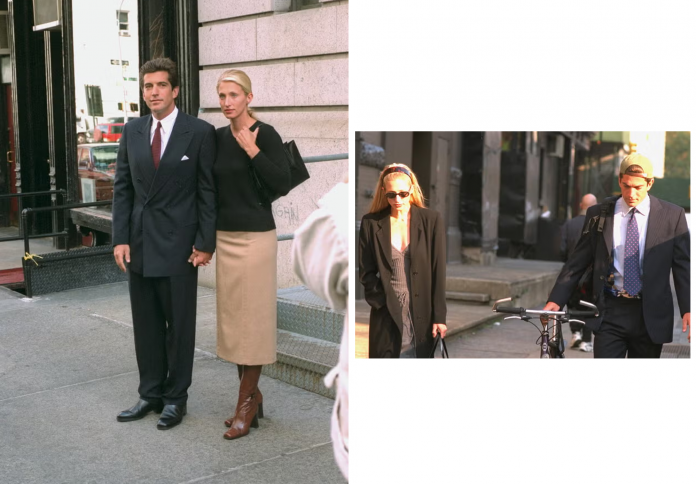
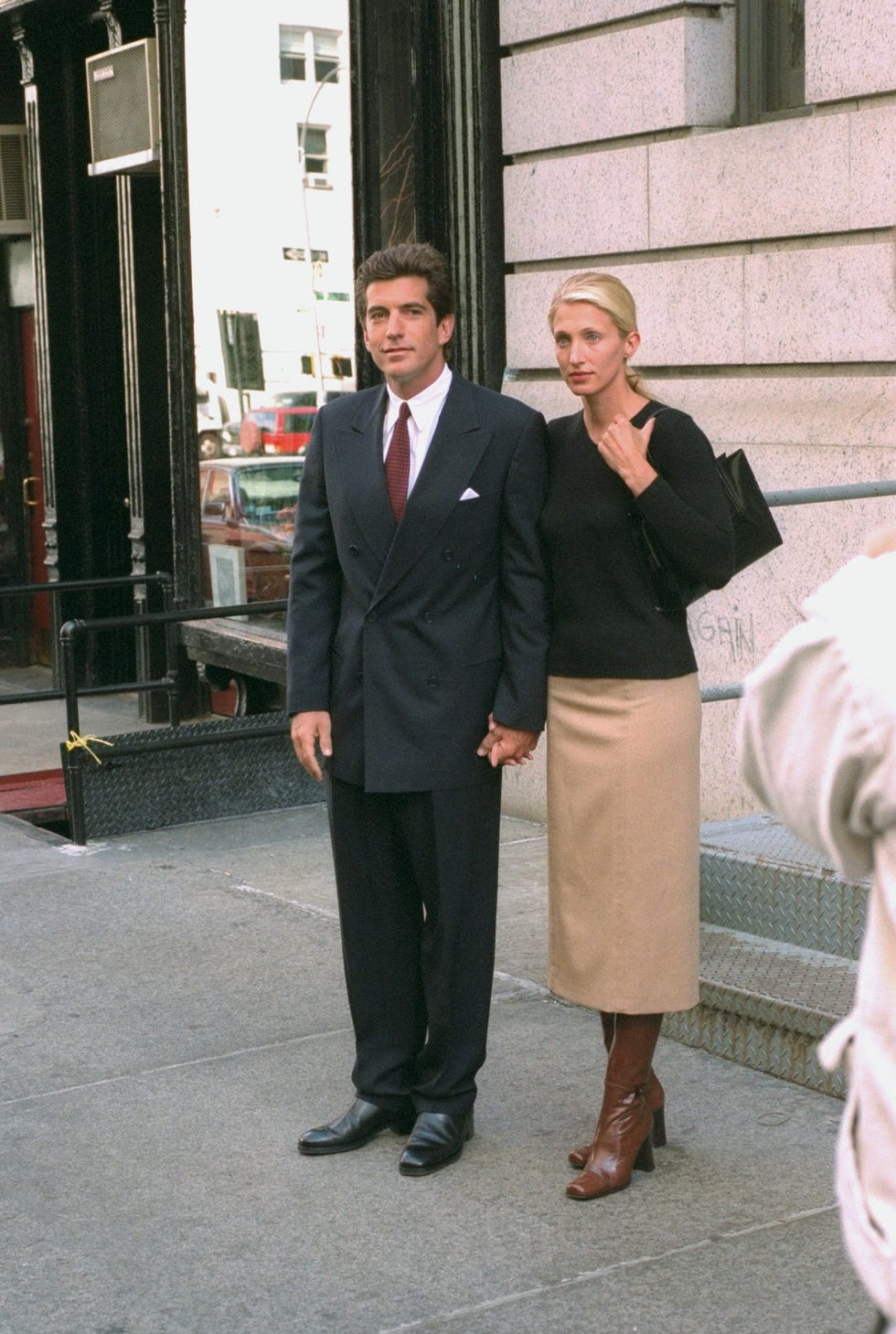
The photo, posted by fashion watchdog account @diet_prada, was quickly met with condemnation from the fashion elite. From Lauren Santo Domingo to Gabriella Karefa-Johnson, top stylists and editors decried the look, calling it inauthentic and uninspired. The center of controversy: an off-brand Birkin bag, poorly chosen footwear, and what many perceived as a lackluster recreation of Bessette Kennedy’s legendary minimalist style. French fashion icon Carlyne Cerf de Dudzeele summed up the consensus in just a few words: “Wrong!!! So bad…”
The backlash grew so heated that Ryan Murphy—an industry veteran with hits like Glee, American Horror Story, and The Assassination of Gianni Versace under his belt—agreed to an impromptu interview with fashion journalist Lauren Sherman. His goal? Set the record straight.
Ryan Murphy sets the record straight
Murphy didn’t hesitate to call out the online criticism as not only premature, but misinformed. “That was just a test shot,” he told Sherman, explaining the Birkin bag at the center of the debate was borrowed from the costume department of another show. It was never intended for final use. “We just grabbed a Birkin that was in our costume department… just to sort of try.”
As for the much-maligned Converse sneakers seen in paparazzi photos, Murphy insisted their inclusion was deliberate. “There were many photographs of her wearing those shoes, but they were private photographs… That scene was 1993/1994, before she was famous.” He seemed bemused by the ferocity of the feedback: “People are criticizing it, and they’re wrong, to be quite blunt.”
In a surprising move, Murphy then rattled off a list of meticulously sourced pieces that will appear in the final series: a Yohji Yamamoto ruffled skirt from 1998, a Chanel resort 1996 floral dress, a Prada tan blazer from Fall 1996, and a correctly sized Hermès Birkin 40. He assured Sherman that the production has devoted “a tremendous amount of time and money and effort to get her closet correct,” including forming an advisory board to ensure accuracy.
Fashion nostalgia and impossible standards
The emotional charge behind the backlash reveals a deeper issue: society’s impossible expectations when recreating fashion icons. “Carolyn Bessette Kennedy is sort of a religious figure in style circles,” Murphy observed. And he’s not wrong. Often described as the ultimate minimalist muse, Bessette Kennedy’s style is more than fashion—it’s mythology. She remains a gold standard for effortless elegance, and that reputation has grown stronger since her death.
This reverence has made it almost impossible to represent her onscreen without igniting controversy. “Before reading this interview, I was convinced the whole thing was a spoof,” Sherman admitted. And she’s not alone. Past biopics—from The Crown to And Just Like That—have shown how leaked paparazzi photos taken before a show’s release can lead to widespread outrage. These images lack context, styling, and final edits—yet they spark fully formed judgments.
Murphy acknowledged he was “naive” to how personal the reaction would be. But perhaps that speaks volumes about just how deeply Bessette Kennedy’s fashion legacy is embedded in public memory. “I had no idea that people cared as much as they do, but I guess that’s a good thing,” he said.
Style, memory, and Hollywood’s blind spots
For all the defensiveness, Murphy didn’t shy away from self-reflection. He asked Sherman directly: “You said that you felt troubled by the photograph. Why would you feel so bothered by that?” Sherman replied with a broader observation: “Hollywood often gets the fashion industry very wrong.” Her point was simple but profound—fashion isn’t just about clothing, it’s about context, authenticity, and lived experience. That’s what makes Bessette Kennedy’s style so hard to replicate.
Part of the collective unease stems from a deeper nostalgia. In an era of hyper-styled celebrities and fashion influencers, Bessette Kennedy stood for an unstudied, almost aloof elegance. She didn’t dress for the camera. She dressed for life. And so any attempt to reconstruct her image—especially by actors and stylists on a Hollywood set—risks feeling forced, artificial, or just not enough.
Murphy, a longtime student of cultural response, seems to understand this now. Still, he remains undeterred. “We’re not making a spoof,” he stressed. “We’re making a show about two people who were deeply in love and paid a price for fame.”
A reminder of fashion’s emotional weight
Ultimately, the uproar over American Love Story and its costuming reveals more about us than about the show itself. In our obsession with Bessette Kennedy’s style, we’re projecting our hunger for authenticity, our reverence for the past, and perhaps our disillusionment with modern celebrity culture.
Murphy may not have expected the fury of fashion’s inner circle, but he’s treating it as a sign that the story still matters. And in today’s content-saturated world, that’s saying something. Whether the series will live up to its promise remains to be seen, but one thing is clear: the stakes are higher when you’re dressing a legend.