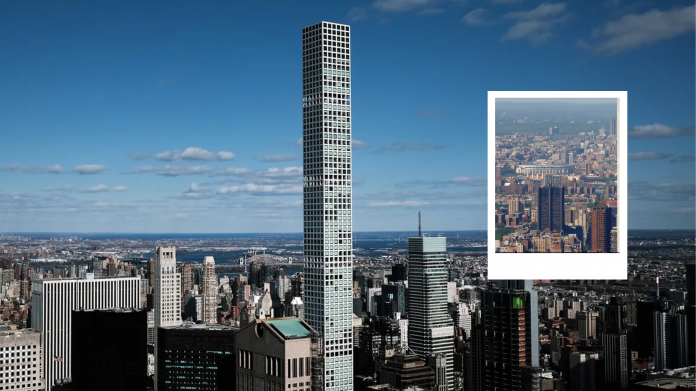
Once billed as the pinnacle of 21st-century luxury living, 432 Park Avenue now faces a very different legacy—one of alleged structural deception, costly repairs, and legal turmoil. The iconic pencil-thin skyscraper, towering above Manhattan’s Billionaire’s Row, is the subject of a $165 million lawsuit, as its condo board accuses developers and architects of concealing deep structural issues, including thousands of severe cracks that threaten the value—and safety—of its multimillion-dollar residences.
The tower that promised the sky
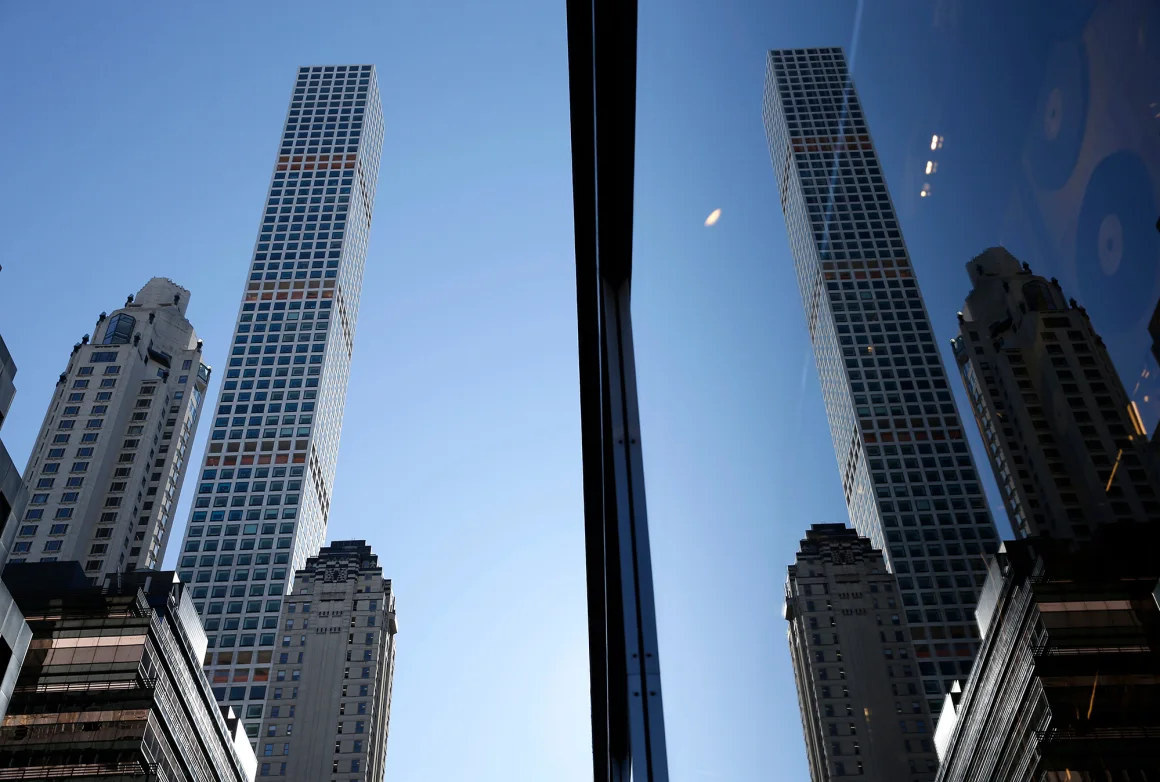
When it opened its doors in 2015, 432 Park Avenue was heralded as a marvel of minimalist engineering and modern opulence. With a jaw-dropping height of 1,396 feet and a dramatic 15:1 height-to-width ratio, it was among the first of the so-called “pencil towers” that would come to redefine the New York City skyline. Designed with void floors to counter high winds and fitted with sophisticated dampers, it was built to withstand the elements while offering unobstructed views and ultimate exclusivity.
Developed by CIM Group and real estate magnate Harry Macklowe, the building quickly attracted celebrity buyers and global elites. Jennifer Lopez and Chinese energy tycoon Ye Jianming were among those who reportedly secured units for eight-figure prices. But beneath the glamour, according to the lawsuit, was a façade—both literal and metaphorical—plagued by hidden flaws.
From minimalist masterpiece to structural nightmare
Filed in April 2025, the condo board’s new lawsuit alleges that the tower is riddled with “thousands of severe cracks, spalling, and other forms of deterioration.” A 10-inch-deep crack in the building’s core, flooding events traced back to façade failures, and corrosion of steel reinforcements within the concrete columns are just the start. The filing accuses the developers and their partners of knowingly ignoring or concealing these problems from buyers.
This isn’t the building’s first brush with controversy. In 2021, the condo board filed a separate lawsuit citing malfunctioning elevators, excessive noise from the trash chute, and water leaks—over 20 since 2017. But the latest filing claims that newly uncovered evidence shows a coordinated effort to downplay the seriousness of the flaws in both marketing documents and official communications with city regulators.
A design flaw or a design gamble?
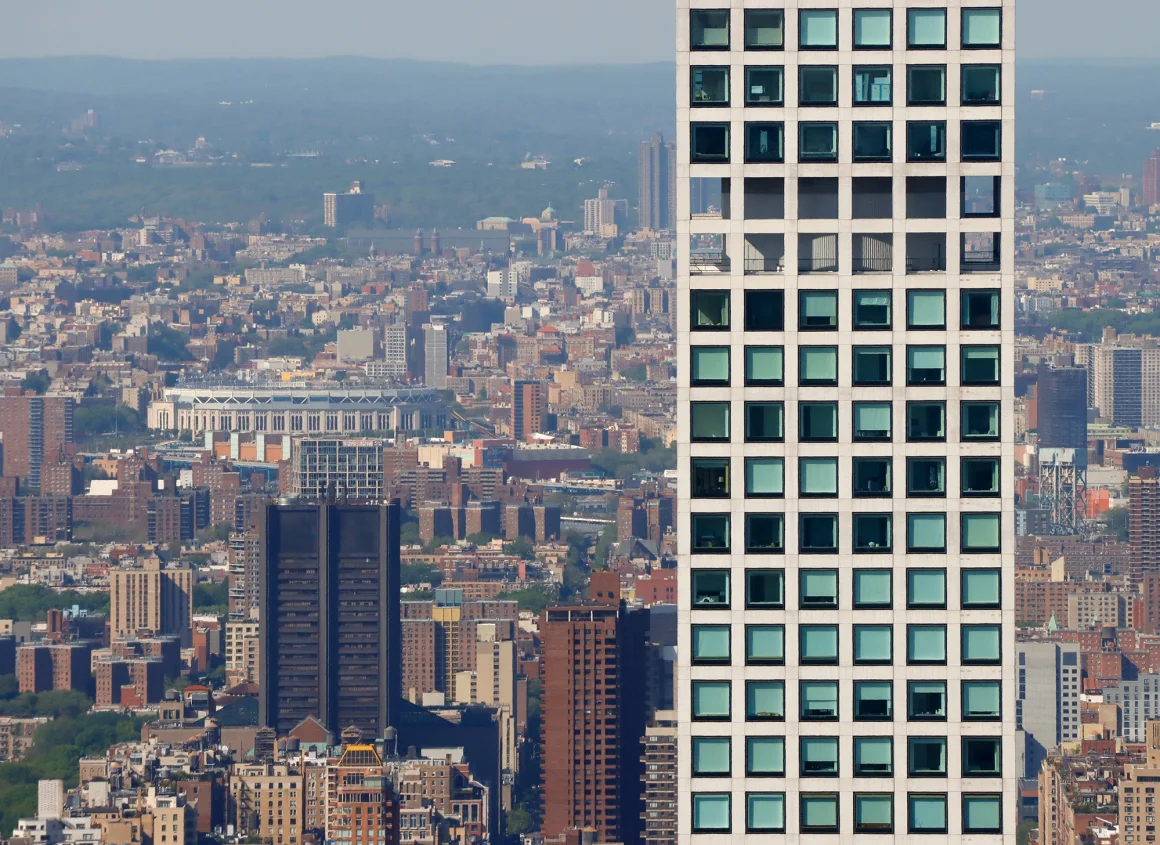
At the heart of the issue is the building’s experimental use of white concrete for its exterior. Traditionally employed for aesthetic purposes, the material was pushed to its structural limits in this project. Experts allegedly warned the developers early on that the concrete mix would likely crack under stress—especially at such extreme heights. The lawsuit claims mockup tests confirmed this, but that CIM Group “bulled forward” regardless, prioritizing design over durability.
Architect Rafael Viñoly, who passed away in 2023, had reportedly expressed concerns himself. Nevertheless, the team continued with construction, and now residents are left with the fallout. According to the condo board, CIM ignored recommendations to coat the façade with an elastomeric covering that could have prevented water infiltration—simply because the finish would alter the sleek, white appearance that helped sell the building to the global elite.
A culture of concealment?
The lawsuit does more than list technical failures—it alleges a broader culture of concealment. SLCE Architects, the project’s architect of record, is accused of altering language in the official offering plan, reducing the strength of its water-tightness claims from “will” to “designed to.” Meanwhile, construction firm McGraw Hudson and engineering giant WSP allegedly misrepresented the findings of a survey to the New York City Department of Buildings, omitting nearly 1,900 identified defects in a letter meant to downplay the severity of cracking.
The board further claims that the defendants repeatedly rejected practical solutions to the problems, fearing any change would compromise the building’s market appeal. “They were more concerned with keeping the aesthetic pristine for billionaires than ensuring a sound, lasting structure,” the lawsuit contends.
The billion-dollar question
With over $165 million now sought in damages, the case represents more than just a high-stakes legal battle—it underscores the risks of prioritizing luxury branding over engineering integrity. In a real estate market where exclusivity is often sold on image alone, 432 Park may now be a cautionary tale.
Both CIM Group and SLCE Architects have publicly denied the allegations and are seeking dismissal. WSP declined to comment, while McGraw Hudson has not responded. The court process will likely be long and complex, but one thing is certain: the cracks in this tower go far beyond its concrete façade—they’ve shattered the illusion of perfection in one of the city’s most high-profile buildings.
What it means for luxury real estate
The case of 432 Park Avenue raises uncomfortable questions for New York’s luxury real estate market. As supertall towers continue to rise on Billionaire’s Row, will buyers begin demanding more than marble countertops and panoramic views? The lawsuit could set a precedent, prompting developers to be more transparent and cities to scrutinize their tallest icons more closely.
For now, the tower remains an architectural symbol and a legal battleground. Its glassy silhouette still dominates the skyline—but behind the pristine exterior, there’s growing pressure to answer for what lies beneath.