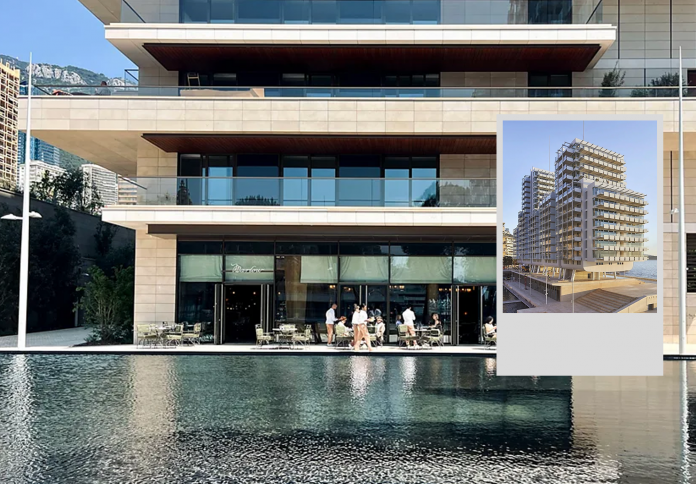
Monaco, the tiny principality known for luxury and exclusivity, has found an innovative way to grow despite its tiny land size. Mareterra, a new €2 billion neighbourhood built on reclaimed land, blends cutting-edge sustainability with stunning Mediterranean sea views. This bold project not only adds precious territory but also showcases Monaco’s ambitions to become a model for ecological urban expansion. From futuristic engineering underwater to green spaces for locals, Mareterra offers a fresh perspective on how a city can rise literally from the sea.
Reclaiming the sea: Engineering a new Monaco
Just a short walk from the famed Casino and Larvotto beach, Mareterra feels like a natural extension of Monaco’s coastline. Yet, six months ago, this vibrant neighbourhood was nothing but a construction site. Today, its 800-metre-long sea-facing promenade bustles with joggers, parents with strollers, and office workers soaking up lunch breaks by the water. The seamless blend with the surrounding landscape belies the sheer scale of engineering that went into reclaiming this six-hectare plot from the Mediterranean.
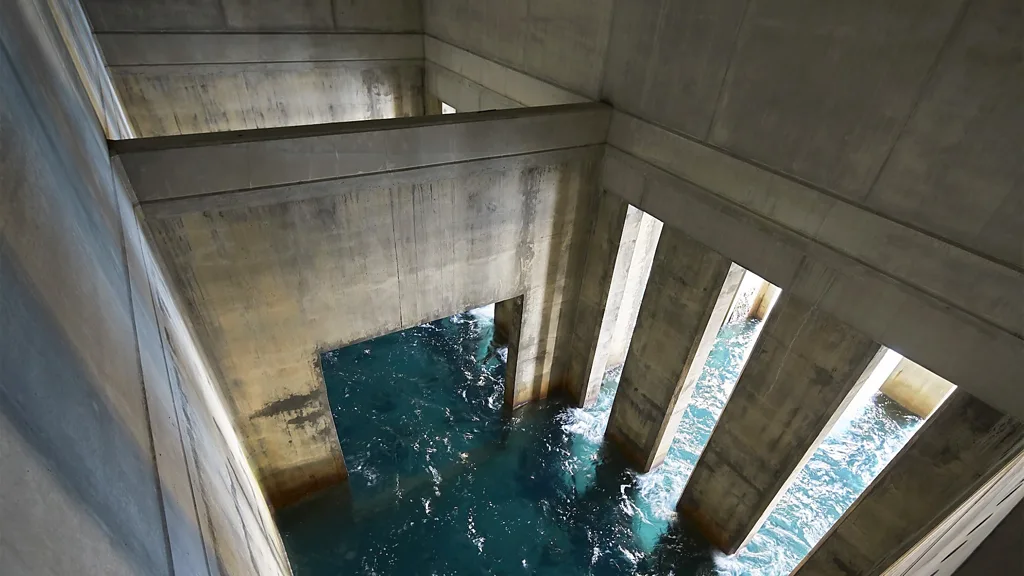
Beneath the surface, 18 colossal caissons—each weighing 10,000 tons and standing 26 metres tall—form the foundation of Mareterra. These reinforced concrete chambers, designed to absorb and dissipate wave energy, act as a giant breakwater against the powerful sea. The innovative Jarlan chambers at their tops allow water to flow freely through narrow vertical openings, protecting the new district even during extreme storms. “When the sun shines through in the morning, the space glows with a subtle blue hue,” explains Guy Thomas Levy-Soussan, managing director of the project’s developers. This underwater chamber, named La Grotte Bleue after the famous Blue Grotto of Capri, has become one of the principality’s most unusual landmarks, attracting visitors curious about the technical feat behind the reclamation.
A green vision for the future
Land reclamation is nothing new to Monaco—since 1907, about 25% of its territory has been gained by extending into the sea. But Mareterra represents a new chapter in the principality’s development, combining luxury living with ambitious ecological goals. Prince Albert II, continuing the legacy of his father, the “builder prince” Rainier III, announced the project in 2013 with a clear vision: to make Monaco’s newest neighbourhood its greenest.
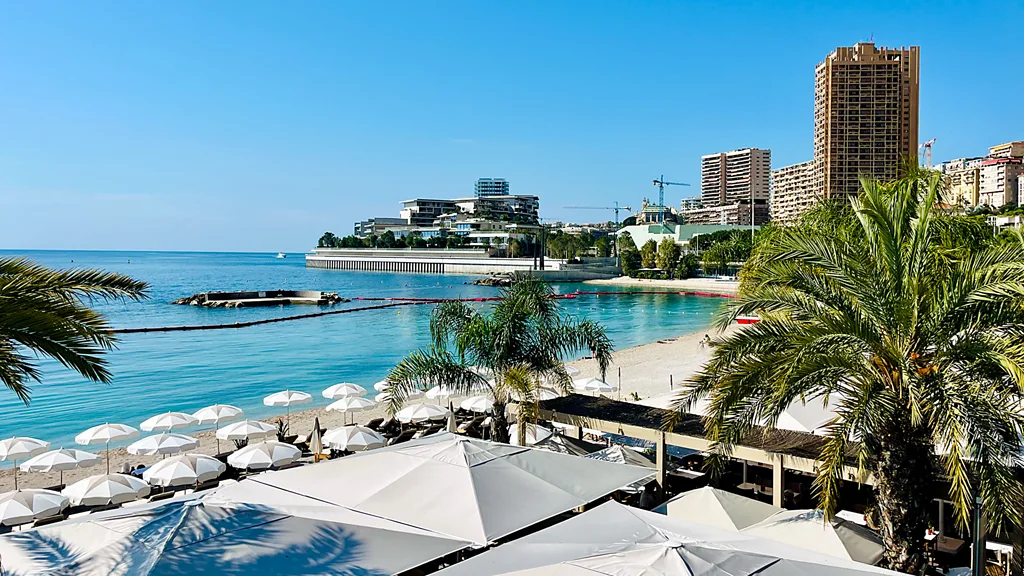
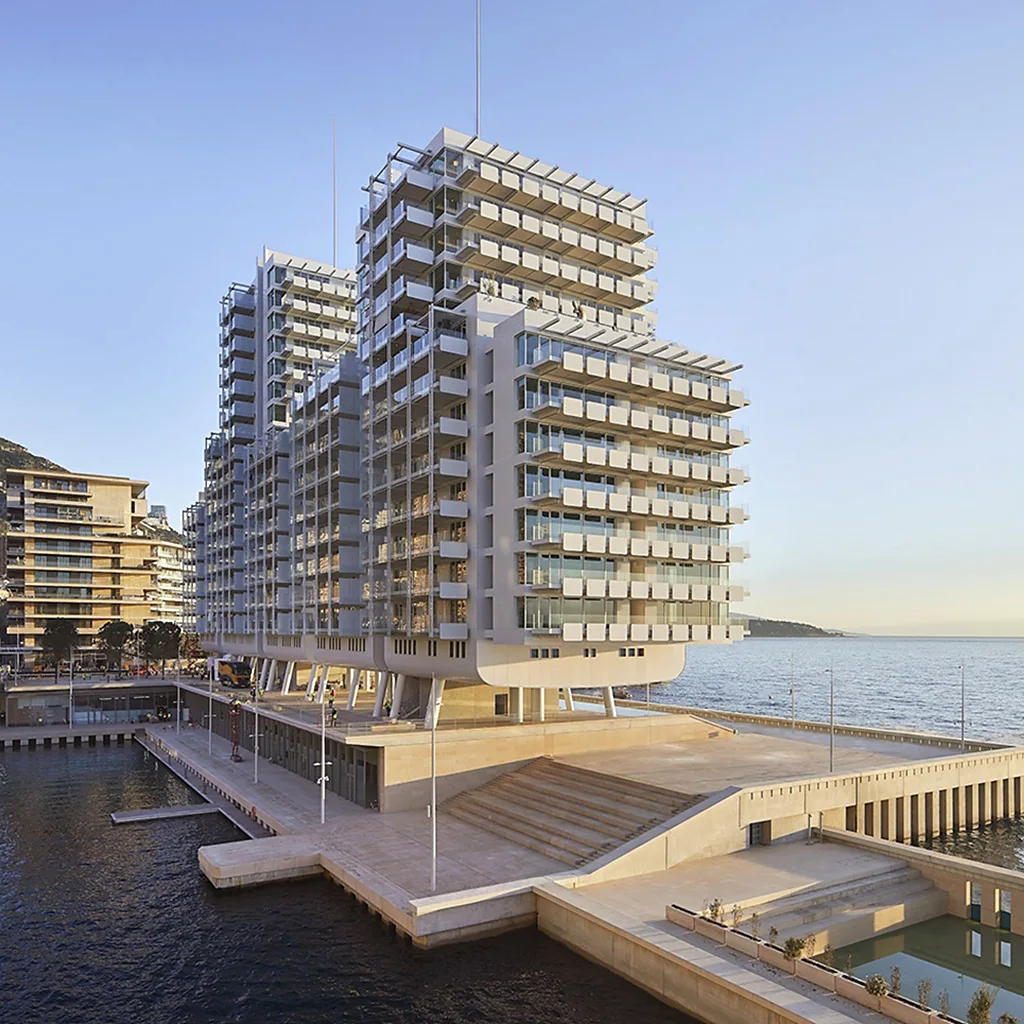
Mareterra features two residential apartment blocks, including one designed by celebrated Italian architect Renzo Piano, ten villas, four townhouses, a small marina, and 14 commercial spaces. It also boasts three hectares of public parkland, solar panels covering 9,000 square metres, 200 electric vehicle charging stations, and 800 newly planted trees. Beyond the infrastructure, great care was taken to protect the marine environment during construction. A pioneering transplant of 384 square metres of Posidonia oceanica seagrass—the Mediterranean’s vital ecosystem engineer—was moved 200 metres away to a protected marine area, preserving biodiversity while enabling progress.
Living in Mareterra: Luxury, locals, and future growth
Mareterra has quickly woven itself into Monaco’s urban fabric. The soft blues and greys of Renzo Piano’s residential block stand sentinel over the district, while nearby the sculpture Quatre Lances by Alexander Calder, once owned by Grace Kelly, serves as a meeting point. La Pinède, a nature walk through rocky gardens planted with Mediterranean pines and shrubs, invites locals and visitors alike to relax in a peaceful, less-glitzy corner of the principality.
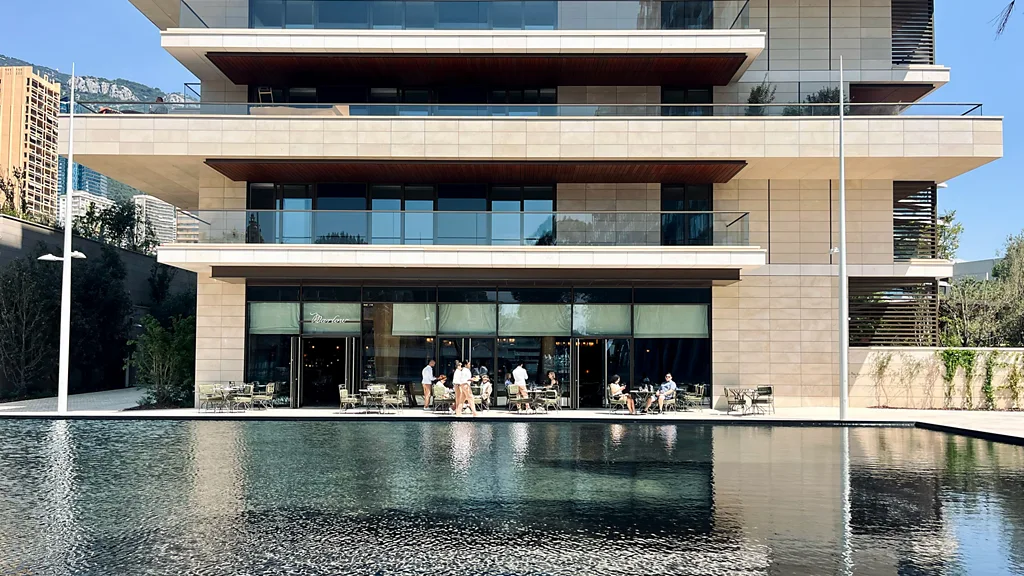
Despite its eco-friendly ambitions and public spaces, Mareterra raises questions about accessibility. Property prices reportedly start at €100,000 per square metre, making it among the most expensive real estate worldwide. Moreover, none of the residences are reserved for Monegasques, the principality’s native population entitled to subsidized housing. Still, for Prince Albert and Monaco’s leadership, Mareterra is not the end of the story. Expansion is essential for growth, both economic and cultural. “If there isn’t construction, the country is at a standstill,” notes Nancy Heslin, co-founder of Monaco’s first all-female publishing house.
Mareterra is more than a neighbourhood; it is a laboratory of innovation, pushing boundaries in sustainable urban development on a scale few cities dare to attempt. As Levy-Soussan reflects, “Monaco is a small country that has done extraordinary things.” This ambitious blend of engineering, environmental care, and refined living offers a blueprint for coastal cities worldwide struggling with space and sustainability challenges.