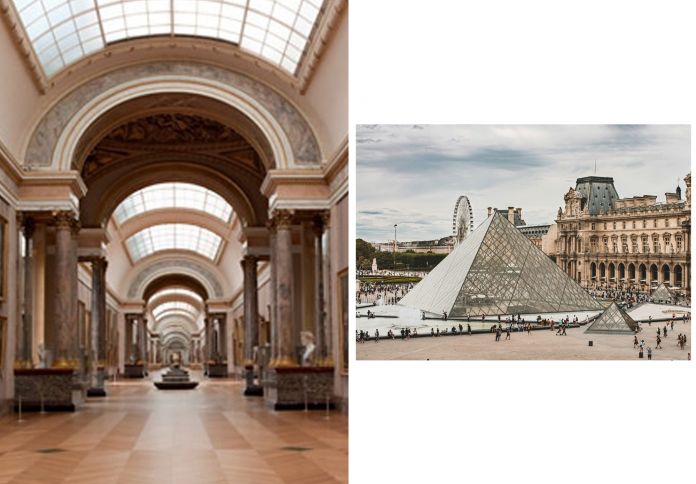
The Musée du Louvre, a global bastion of art and history, is currently the stage for a dramatic confrontation not between rival schools of painting, but between its administration and its workforce. In early January 2026, the world’s most visited museum was forced to shutter its gates as staff staged a walkout that has sent shockwaves through the Parisian cultural landscape. At the heart of the dispute is the “New Renaissance” project—a controversial €700 million renovation plan backed by President Emmanuel Macron and museum director Laurence des Cars. While the administration sees a necessary modernization for the 21st century, the strikers see a dangerous obsession with prestige over protection. As the standoff continues, the struggle at the Louvre has become a microcosm of the broader debate facing historic institutions worldwide: how to balance the demands of global tourism with the fundamental duty of preservation.
A New Gateway to the Arts
The “New Renaissance” project is the most ambitious overhaul of the Louvre since I.M. Pei’s glass pyramid redefined the museum’s courtyard in 1989. The centerpiece of the plan is a massive €666 million grand entrance designed to alleviate the crushing congestion that often sees visitors waiting for hours. Furthermore, the renovation proposes a dedicated, high-security exhibition space for the museum’s most famous resident, Leonardo da Vinci’s Mona Lisa. The goal is to create a more fluid experience for the millions who flock to Paris each year, ensuring the Louvre remains the crown jewel of the international museum circuit.
In October 2025, five world-class architectural teams were shortlisted to realize this vision, including luminaries like Japan’s SANAA and US-based Diller Scofidio + Renfro. The administration argues that without this intervention, the museum’s infrastructure will buckle under the weight of its own popularity. Modernization, they claim, is not just about aesthetics; it is about the long-term economic and cultural viability of an institution that serves as a pillar of French national identity.
The Case for “Invisible” Preservation
However, for the staff members represented by unions like the CGT and Sud Culture, the €700 million price tag feels like a slap in the face. Strikers argue that the museum has consistently prioritized “visible and attractive” vanity projects while the actual building—a French Renaissance masterpiece—crumbles from within. The workers are calling for the project to be scrapped in favor of urgent technical maintenance and security upgrades. They point to aging climate control systems that threaten delicate collections and structural issues that compromise the safety of both employees and guests.
The urgency of their plea was underscored by a shocking heist in October 2025, in which burglars made off with €88 million worth of jewels. An audit published after the robbery revealed that basic security measures had been neglected for years. To the strikers, spending nearly a billion euros on a new entrance while existing security is porous is a catastrophic failure of leadership. They are demanding a shift in focus toward “invisible” preservation—the unglamorous but essential work of keeping the roof from leaking and the alarms from failing.
A Clash of Institutional Priorities
The Louvre strike is symptomatic of a growing rift in the museum world between “experience-driven” administration and “maintenance-focused” staff. On one side, there is the pressure to accommodate a skyrocketing global middle class with a seemingly infinite appetite for cultural travel. On the other, there is the reality of managing a historic site that was never designed for ten million visitors a year. The strikers contend that the current trajectory treats the Louvre more like a theme park than a sanctuary for human achievement.
This conflict also touches on the politics of public funding. In a time of economic belt-tightening, the optics of a €700 million state-funded renovation are sensitive. Critics of the strike suggest that modernization is the only way to generate the revenue needed for maintenance. Yet, the workers remain steadfast, arguing that the museum’s first duty is to the objects it houses and the people who protect them. Until the administration can prove that the pyramid’s foundations are as secure as its prestige, the halls of the Louvre may remain uncharacteristically quiet.