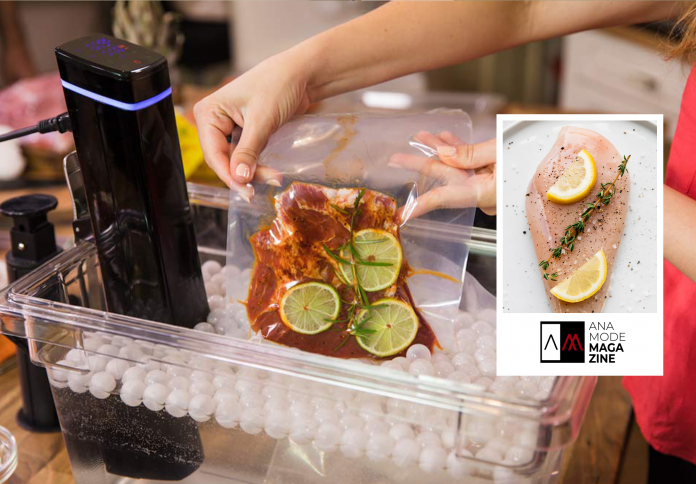
Not just a cooking method, the sous-vide technique (cooking under water) has ushered in a new era in culinary art, blending the precision of science with the emotion of cooking artistry. Since the 1970s, sous-vide has not only appeared in high-end restaurants but has also gradually been adopted in home kitchens. It is a fusion of technology and creativity, resulting in dishes that are not only delicious but also retain their original flavors and nutrients.
Origin of sous-vide: History-making cookery technique
Sous-vide was born in the 1970s in France when chefs sought a new method of cooking that would preserve the quality of ingredients. With this technique, food is placed in a vacuum-sealed bag and cooked in water at a low temperature for an extended period. This process helps retain moisture, tenderness, and the natural flavor of the food without it drying out or losing nutrients. This became a revolution in the culinary arts, making sous-vide one of the most unique techniques in the food industry.
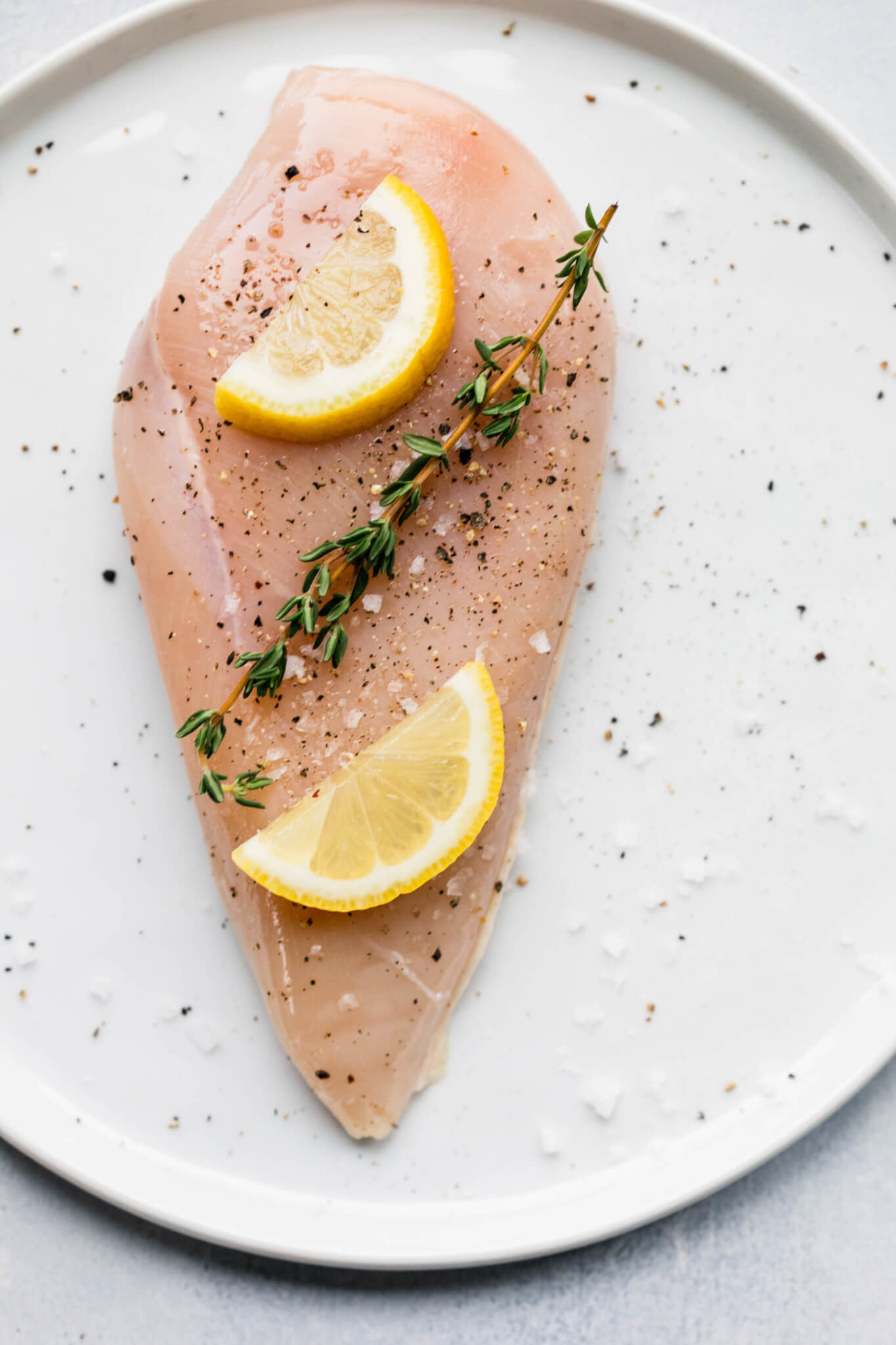
:max_bytes(150000):strip_icc()/__opt__aboutcom__coeus__resources__content_migration__serious_eats__seriouseats.com__recipes__images__2015__07__20150610-sous-vide-chicken-guide-36-42733f4219314610861f38f537484f7f.jpg) Sous-vide quickly became a favorite in Michelin-starred restaurants due to its ability to optimize the quality of dishes. By using this method, chefs can precisely control the temperature, ensuring that each dish is always perfect when served. With advancements in technology, sous-vide has become more accessible, allowing anyone to use this technique in their own kitchen.
Sous-vide quickly became a favorite in Michelin-starred restaurants due to its ability to optimize the quality of dishes. By using this method, chefs can precisely control the temperature, ensuring that each dish is always perfect when served. With advancements in technology, sous-vide has become more accessible, allowing anyone to use this technique in their own kitchen.
Precision and creativity: The art behind sous-vide
Sous-vide is a symbol of culinary perfection, much like Paris is the birthplace of haute couture. The precise adjustment of temperature and time is the key to creating delicious dishes. With this method, chefs can achieve perfectly textured dishes, from tender beef steaks to sweet, juicy salmon, without the worry of overcooking.
Sous-vide is not just a cooking method; it’s a revolution in creativity. It opens up the possibility of experimenting with ingredients and food textures without being confined by traditional cooking methods. Chefs can create unique dishes, from succulent roasted meats to delicate desserts like flan, fruits, or even refined pastries, all completed in the most optimal way.
Sous-vide in restaurants and families
In restaurants, sous-vide helps optimize the cooking process and ensures the quality of dishes each time they are served. Food can be pre-cooked in advance and only requires finishing touches, such as sautéing, grilling, or crisping, saving time while maintaining excellent quality. This brings convenience to chefs and improves workflow efficiency in the kitchen.
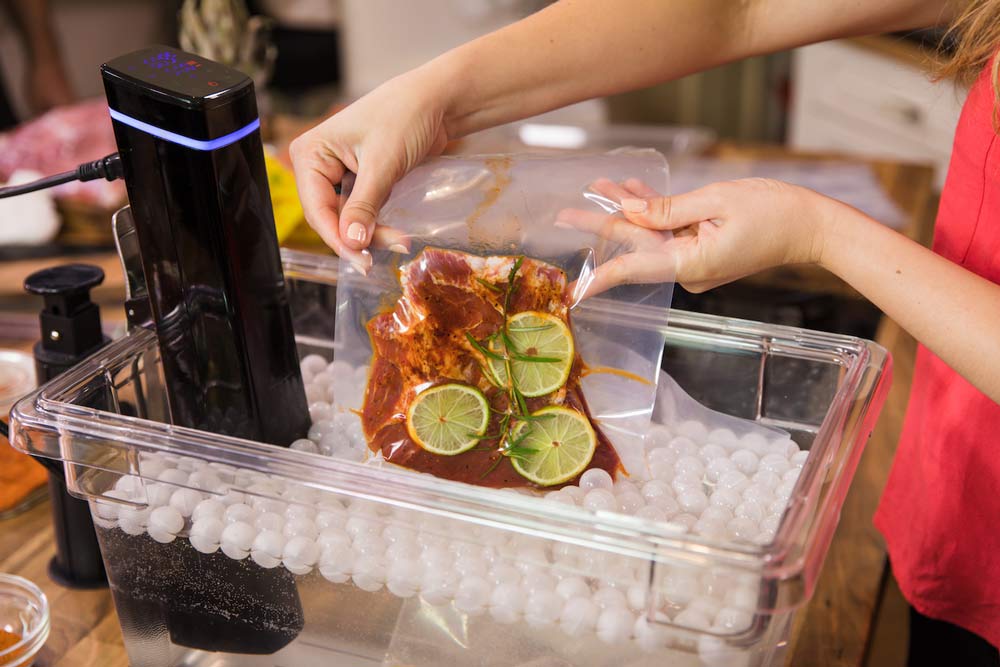 Sous-vide is also gradually becoming an essential part of family meals. The sous-vide cooking devices available today are easy to use and affordable, allowing anyone to create delicious dishes that preserve flavors and nutrients with minimal effort. Whether it’s tender grilled meat, sweet salmon, or desserts like flan, this technique offers an exceptional dining experience right at home.
Future of sous-vide: When technology and the arts intertwine
Sous-vide, like fashion, is a fusion of creativity and precision, tradition and innovation. Just as Paris, Milan, London, and New York have shaped the fashion industry, sous-vide is steadily becoming an integral part of the global culinary landscape. The future of sous-vide promises continued growth, expanding creative possibilities for chefs and enhancing the dining experience for everyone.
 With the development of sous-vide cooking devices and the growing popularity of this method, cooking at home has become much simpler. Sous-vide is not just a cooking technique; it is part of the progress in the culinary industry, where technology and artistry blend together to offer limitless culinary experiences.
Kate | Cameron Truong