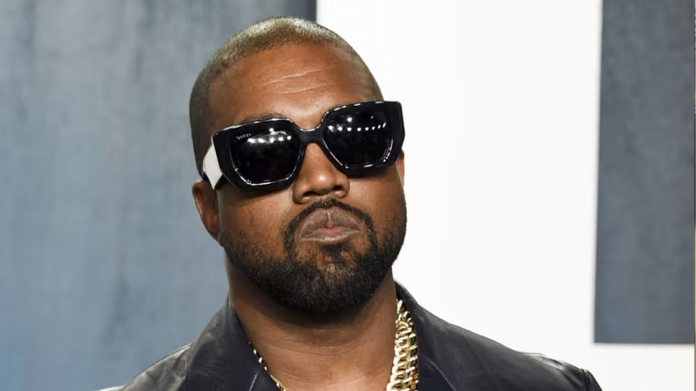
Kanye West, now officially known as Ye, has once again found himself at the center of global backlash—this time in South Korea. A highly anticipated concert set to take place in Incheon on May 31 has been abruptly cancelled, with organisers citing the rapper’s latest string of controversies. The cancellation underscores the growing challenges Ye faces as he continues to alienate fans and business partners with increasingly inflammatory behavior.
A sudden cancellation and silent withdrawal
South Korean e-commerce giant Coupang announced on May 19 that the scheduled Kanye West concert would no longer take place. The concert, originally set to be a major event on Coupang Play’s entertainment calendar, was expected to draw thousands of fans to the port city of Incheon. However, the announcement from Coupang and ticketing partner Interpark offered few specifics, merely attributing the decision to “recent controversies involving the artist.”
The swift cancellation came just days after the release of West’s latest track, Heil Hitler, a song widely condemned for glorifying the Nazi dictator and evoking antisemitic imagery. Though neither Coupang nor Interpark directly referenced the song, the timing left little room for ambiguity. By Monday, not only had the concert been called off, but Coupang had also suspended all sales of Ye’s Yeezy-branded merchandise on its e-commerce platform.
All ticket holders were assured full refunds, a logistical challenge that highlights the scale of the planned event and the impact of its sudden cancellation. The show would have been West’s first major performance in South Korea in years and marked a rare international concert appearance since his reputation began unraveling in 2022.
An artist in freefall
Ye’s public and professional unraveling has been accelerating for some time. Once hailed as a visionary musician and fashion innovator, the artist has repeatedly made headlines over the past two years—not for his creativity, but for his incendiary political rhetoric and antisemitic statements. The release of Heil Hitler marked a new low, drawing global condemnation from media, civil rights groups, and music fans alike.
This isn’t the first time West’s actions have led to major professional fallout. In late 2022, Adidas terminated its lucrative partnership with him after a series of antisemitic outbursts. The German sportswear brand severed ties with the Yeezy creator, cutting off a deal worth billions in revenue and brand equity. The last batch of Yeezy sneakers was quietly sold in March 2024, with Adidas publicly committing to donate a portion of the proceeds to combat hate speech.
Despite this, West has shown little sign of retreating from his controversial positions. His continued defiance has not only isolated him from industry peers but is increasingly making him a liability for brands and event organisers alike. The cancellation in South Korea suggests that even global markets, once thought to be more insulated from Western controversies, are no longer willing to tolerate his behavior.
Coupang’s calculated decision
Coupang’s decision to cancel the concert and suspend merchandise sales was likely not taken lightly. As one of South Korea’s largest e-commerce and tech companies, Coupang has made significant investments in expanding its entertainment wing, Coupang Play, which has recently ventured into live events, original programming, and exclusive streaming rights. Hosting a global artist like Ye would have been a prestige move aimed at solidifying its cultural relevance.
However, in the age of digital accountability, aligning with a figure as divisive as Ye carries undeniable risk. Public sentiment can shift rapidly, and companies are under increasing pressure to take a stand against hate speech and harmful ideologies. In that context, Coupang’s move appears both cautious and strategic — choosing long-term brand integrity over a short-term headline event.
Moreover, South Korea has a particularly sensitive relationship with public conduct. Celebrities in the country are often held to high moral standards, and public backlash against misconduct—be it local or international—is swift and unforgiving. In this social climate, hosting a figure embroiled in global controversy could have sparked protests or political scrutiny, further complicating the event.
A warning sign for international markets
The South Korea cancellation may serve as a bellwether for Ye’s international prospects. While some audiences in the United States and Europe have already distanced themselves from the artist, other regions had remained less affected—until now. The incident indicates that Ye’s global standing is deteriorating, and that controversies once considered “domestic” are now international liabilities.
This shift poses a larger question about accountability in the entertainment industry. As artists become more global in reach, so do the consequences of their actions. Cultural boundaries that once allowed certain behaviors to pass unnoticed no longer provide cover in the internet age. Ye, once hailed as a genre-defying genius, now finds his career mired in the consequences of his own provocations.
Whether or not West will attempt to re-enter the global touring circuit remains to be seen. For now, the Incheon cancellation adds another chapter to a growing list of lost opportunities—each one reinforcing the reality that music alone is no longer enough to shield an artist from the backlash of their own words.