In July 2025, a fashion world record was shattered when the original Hermès Birkin bag—designed for icon Jane Birkin on an airplane napkin—sold at Sotheby’s Paris for €8.6 million (over $10 million). A Japanese company called Valuence, led by former pro-footballer turned luxury magnate Shinsuke Sakimoto, emerged as the winner after a dramatic 10-minute bidding war. The company now plans to exhibit the bag publicly, not as a commodity, but as a shared cultural artifact.
A humble sketch becomes a fashion relic
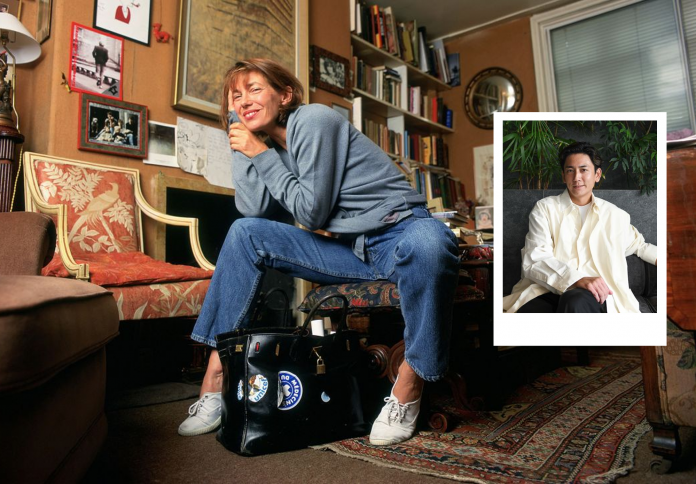
The Birkin bag’s mythology begins in 1984 on a flight from Paris to London. Seated next to Hermès CEO Jean-Louis Dumas, Jane Birkin lamented the lack of a stylish yet practical bag for modern women. Dumas sketched a solution on an airplane sickness bag—thus birthing a design that would become synonymous with discreet luxury.
That original prototype, made specifically for Birkin and bearing her initials, reappeared this year as the centerpiece of an extraordinary auction. With its nail clipper attachment, unique double strap, and marks of wear, the bag embodied personal history, not just brand cachet. It opened bidding at €1 million and soared to €8.6 million with fees, making it the most expensive handbag ever sold at auction—surpassing all previous records.
Valuence redefines luxury ownership
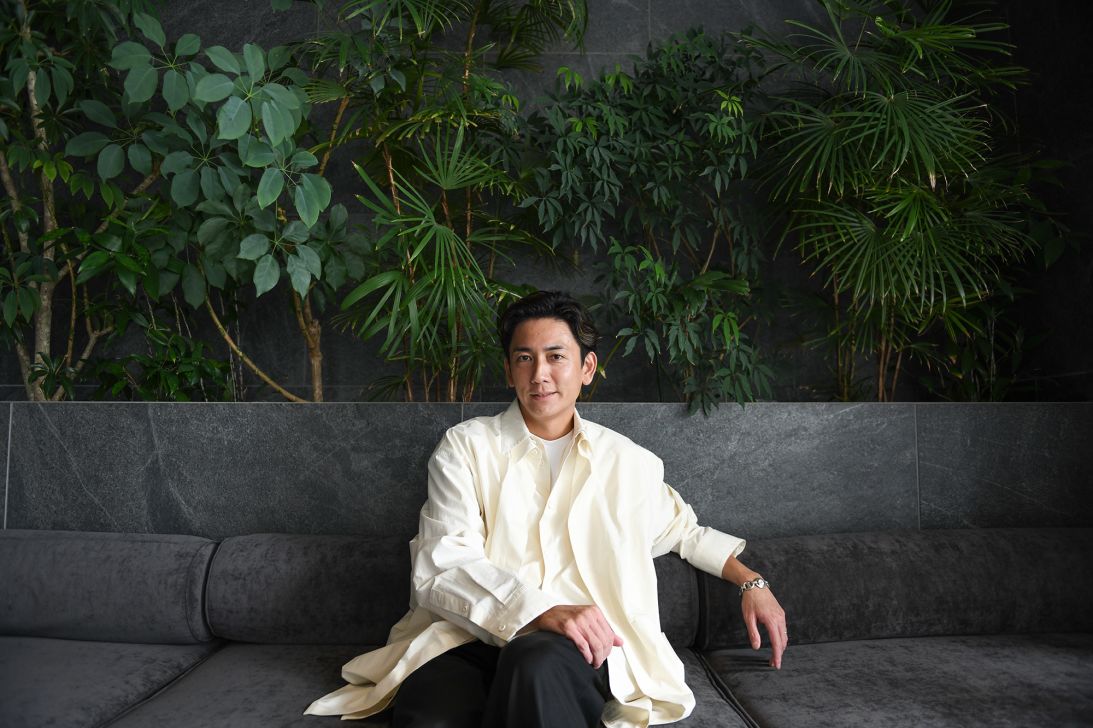
Valuence, a Japanese company focused on sustainable luxury and resale, stunned the fashion world when it emerged as the anonymous buyer. Its CEO, Shinsuke Sakimoto, described the experience as a nerve-racking ten minutes that required “courage, conviction, and strategy.” A former professional athlete, Sakimoto has made a name for himself in circular luxury—and this acquisition marks his boldest move yet.

But the purchase is not about private opulence. Valuence intends to make the Birkin publicly viewable in Japan, framing it as a cultural relic of design history. The firm explicitly stated it will not resell the bag, but instead preserve it for future generations—a move that challenges how we define value in luxury. In doing so, the company pivots from personal status to collective storytelling.
From status symbol to shared icon
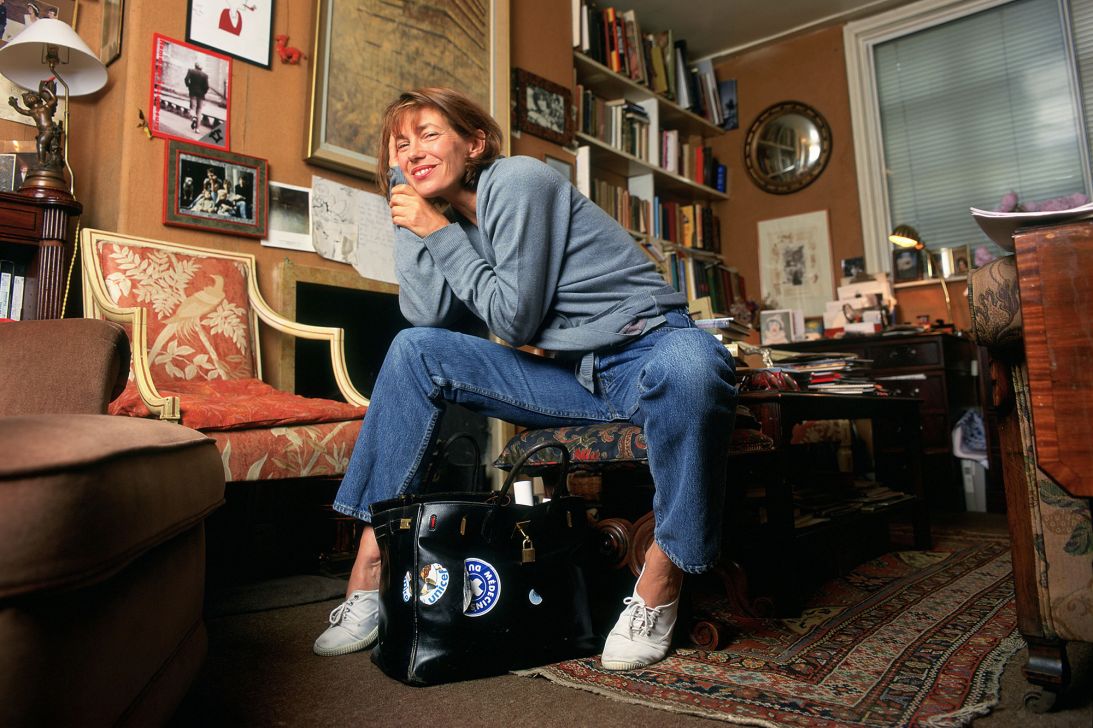
More than a bag, the Birkin has long been shorthand for exclusivity and craftsmanship. But this prototype—scratched, softened, and visibly used—feels more human than the pristine versions locked in vaults. Its provenance as Jane Birkin’s own, and its role in fashion folklore, gives it the same emotional gravitas as a painting or rare manuscript.
This sale also marks a turning point in the perception of fashion objects. It signals that luxury’s highest form may not be in ownership but in legacy. Just as museums display the personal effects of great artists or leaders, this Birkin has crossed the threshold into artifact—a quiet revolution in how we approach fashion history.
Luxury’s future: stewardship over possession
Valuence’s decision to exhibit rather than hoard the Birkin offers a new narrative in an industry often criticized for excess. In an era where rare handbags are treated like stocks—bought, stored, and flipped for profit—this act of stewardship is radical. It asserts that the value of a fashion object isn’t just in its price, but in its capacity to inspire, inform, and connect.
By resisting resale, Valuence gives the Birkin back to the public imagination. The bag’s story—born from a mother’s frustration, drawn in midair, lived with and loved—returns not to the shelf, but to the spotlight. It’s no longer just the most expensive handbag; it’s a vessel of memory, design, and modern myth.