Turbulence is the chaotic swirling of air that rattles aircraft and tests nerves. Although it rarely endangers a plane’s structure, recent increases in severe episodes—especially from invisible clear-air turbulence—are raising questions about climate change, prediction tools, and passenger safety.
Understanding the invisible bumps in clear air
Turbulence is defined by chaotic eddies in airflows disrupted by mountains, storms, or wind shear. Clear-air turbulence (CAT) is especially unpredictable because it occurs without visible warning—no clouds, no storms, no radar trace. It often stems from vertical wind shear in and around jet streams at cruising altitudes, making it the most dangerous type for modern flights.
Jet streams—swift upper-atmosphere air currents—create turbulence when air speed changes across altitude layers. Mountain waves and storm-induced atmospheric waves can also propagate disturbances far from their origins, causing unexpected bumps even in seemingly calm skies.
When turbulence intensifies: climate change and increasing risks
Research shows that climate change is amplifying turbulence. In the North Atlantic, severe clear-air turbulence has risen by nearly 55 percent since 1979, and models predict it could double or triple by the 2060s under high-emissions scenarios.

Recent incidents underscore the peril. A Singapore Airlines flight plunged thousands of feet due to unexpected CAT, resulting in one fatality and dozens of injuries. This tragedy highlighted how invisible turbulence can strike without warning, even in otherwise smooth skies.
The spectrum of turbulence: from mild to extreme
Turbulence intensity is classified from light to extreme. Light turbulence feels like gentle bumps; moderate can move loose items and cause strain against seatbelts. Severe turbulence may momentarily disable aircraft control, tossing passengers—especially unbelted ones. Extreme cases can strain an aircraft’s structure, though planes are engineered to handle brief shocks well beyond typical turbulence.
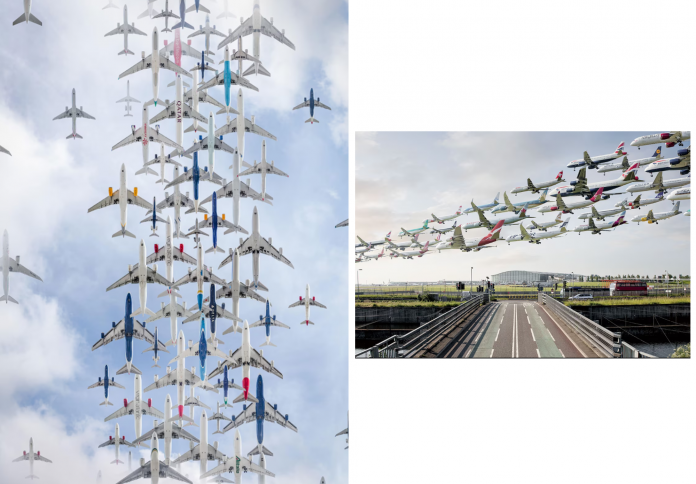
Wake turbulence—created by the swirling air behind aircraft—also poses danger, particularly near airports during takeoff and landing. Its vortices can linger and disrupt smaller aircraft that cross the trail unexpectedly.
Making flights safer: technology and passenger precautions
Though forecasting turbulence remains imperfect at airplane scale, progress is underway. New onboard sensors and algorithms continuously collect flight data—wind, pressure, roll angle—and feed a live turbulence prediction model. Airlines, meteorologists, and aircraft makers are integrating this nowcasting data to improve route planning.

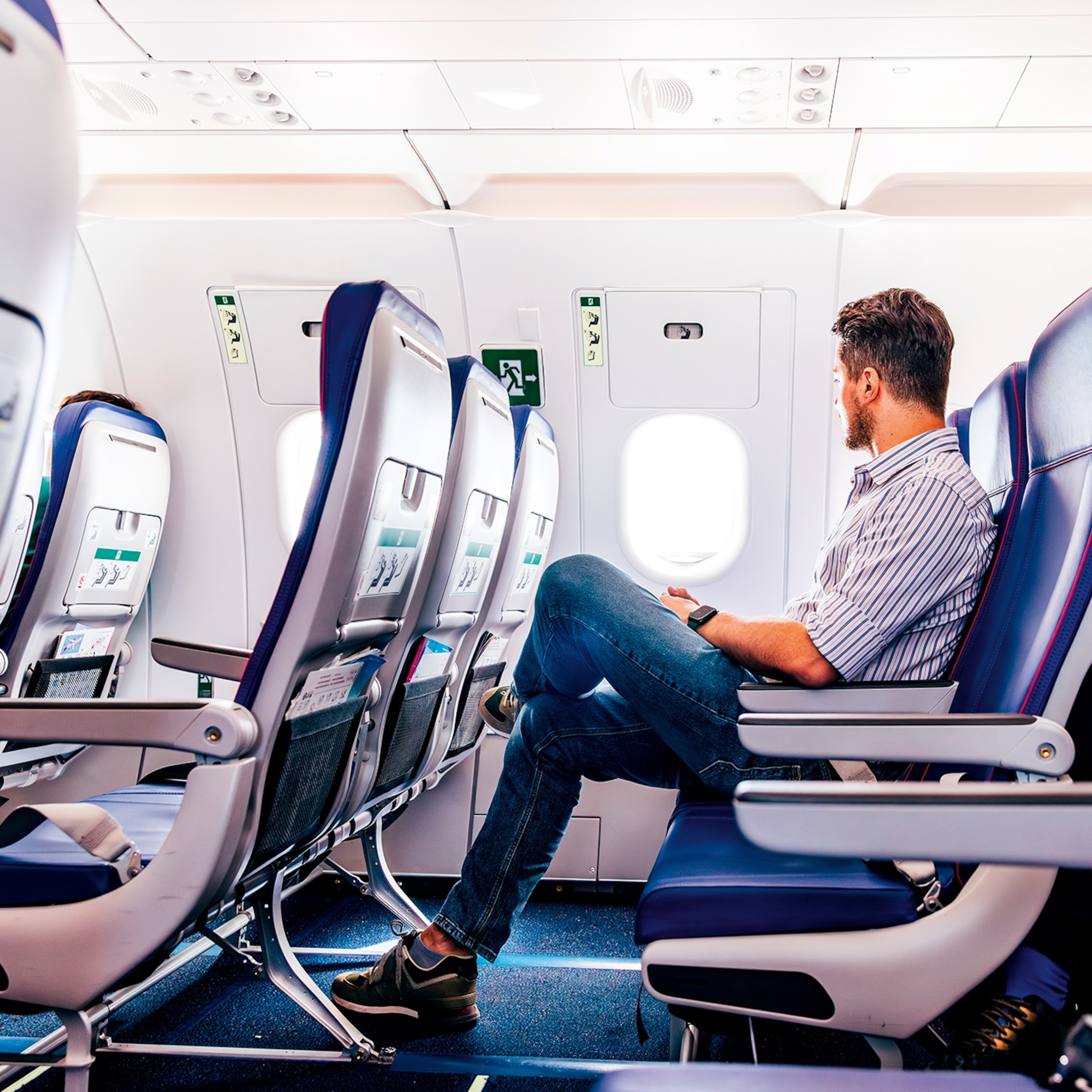
For passengers, the safest practice is simple: always wear a seatbelt when seated. Most turbulence injuries occur to those who are unrestrained. Pilots and crews rely on forecasts and radar to avoid known pockets of turbulence, but sudden zones—especially CAT—can still catch flights off guard.
Turbulence is rising, but danger remains rare
While flight turbulence is becoming more frequent and sometimes more intense, aircraft design, pilot training, and evolving technology continue to ensure air travel remains safe. Clear-air turbulence poses the greatest challenge—but also the greatest incentive to improve prediction systems. As the atmosphere changes, buckling up isn’t just wise—it’s essential.