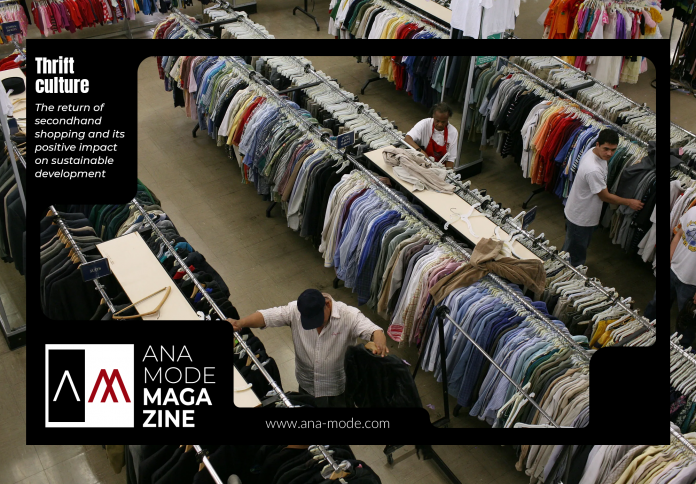
In recent years, thrift shopping culture has become a prominent trend, not only in the West but also spreading to many countries around the world, especially among young people. With the rise of fast fashion causing negative impacts on the environment, many have turned to thrift shops as a sustainable and cost-effective solution. These secondhand stores offer unique items, encouraging recycling and smart consumption.
Thrift shop – Novel and sustainable consumption trend
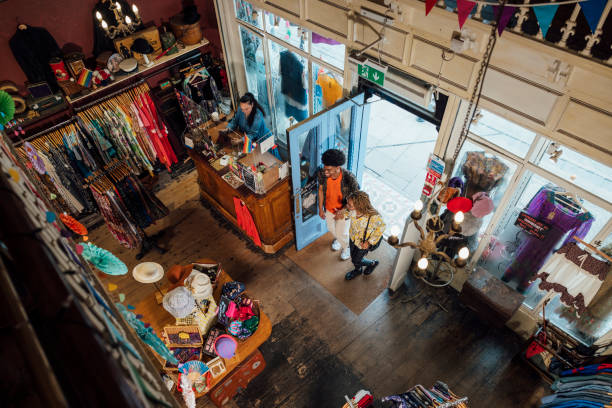
A thrift shop, also known as a secondhand store, is a place where used items—ranging from clothing, shoes, and accessories to household goods—are resold. This market has undergone a major transformation in recent years, becoming an essential part of modern consumer culture. In a society facing environmental pollution and product overconsumption, shopping at thrift stores is not only about hunting for unique pieces but also about taking action to reduce waste.
According to a study by ThredUp, a well-known secondhand platform in the U.S., the thrift market is expected to continue growing rapidly. It is projected that by 2025, the secondhand market will reach a value of $77 billion, surpassing the fast fashion industry, which is estimated to be worth only around $40 billion. This figure reflects a shift in awareness and consumer trends among young people, who are increasingly seeking value-driven items rather than simply chasing the latest trends.
Thrift shop leading the style of personalization
One of the key factors that make thrift shops appealing to young people is the personalized style they offer. Items found in secondhand stores are not only rich in vintage charm but are often unique pieces that cannot be found in mainstream fashion stores. As a result, thrift shops have become ideal places to discover special items that express individual personality.
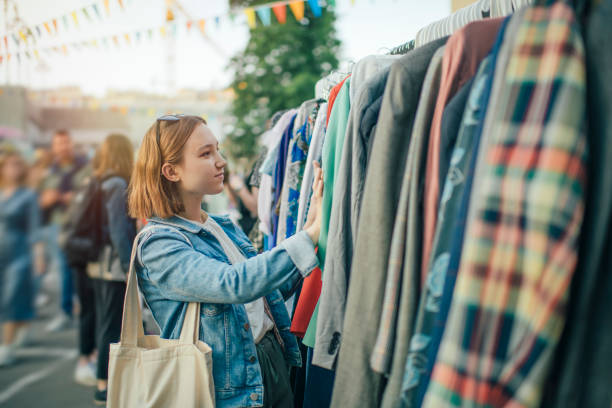
In particular, vintage items such as leather jackets, flared jeans, patterned shirts, classic sneakers, and accessories have become fashion icons in recent years. Fashion enthusiasts seek out these pieces not only for their aesthetic appeal but also because they carry historical value and are essential elements of retro or grunge styles.
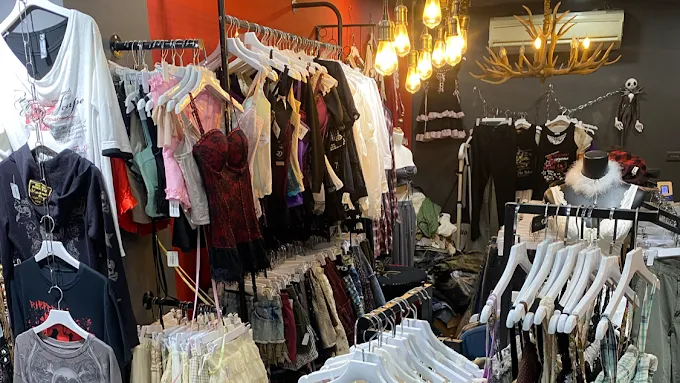
In addition, with the rise of social media—especially Instagram and TikTok—influencers and fashionistas have sparked new fashion trends by sharing outfits they’ve found at thrift shops. “Thrift flip” videos, where users transform or upcycle old items, have also attracted millions of views, making thrift shops an essential part of the fashion community.
Thrift shops – Economical and environmentally-friendly option
With many items holding significant value, shopping at thrift shops offers major financial benefits. In particular, high-end fashion pieces—such as clothing from well-known brands, vintage items, or designer goods—can often be found in secondhand stores at prices far lower than their original retail cost.
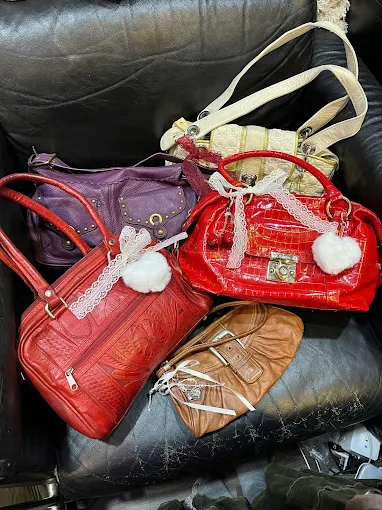
In addition, buying secondhand is also an act of environmental protection. According to a study by the U.S. Environmental Protection Agency (EPA), the fast fashion industry is one of the most environmentally damaging sectors, generating millions of tons of waste and greenhouse gas emissions. Shopping at thrift stores helps reduce the demand for new production, thereby decreasing resource and energy consumption. Moreover, “smart consumption” is becoming a major trend in modern society, as more consumers are becoming aware of the environmental impact of purchasing new items. Alongside recycling, thrift shopping has become an important part of the younger generation’s sustainability strategy.
Thrift shops’ development in the digital economy era
Thrift shopping has not only thrived in physical stores but has also seen strong growth on online platforms. Apps and websites such as Depop, Poshmark, ThredUp, Vinted, and Mercari have created a thriving online secondhand market, making it easier for consumers to search for and trade pre-owned fashion items. According to a report by ThredUp, around 33 million Americans have participated in the online secondhand market, with approximately 64% of them being young people under the age of 25.

Meanwhile, traditional thrift stores have also been steadily improving in terms of service and customer experience—from visually appealing displays and easier product navigation to more convenient payment options. Brands and stores have learned how to upgrade themselves to attract customers by offering promotions, special discounts, and hosting unique shopping events.
Thrift shop culture is not merely a fashion trend but also a part of the movement towards sustainable consumption and environmental protection. With unique, valuable items and the ability to create personalized styles, thrift shops have become an essential part of the fashion industry’s transformation. The rapid growth of thrift shops not only reflects a shift in consumer habits but also serves as proof of a sustainable, creative, and human-centered fashion future.
Mavis | Cameron Truong