
In a world shaped by urgency and overstimulation, forest bathing offers a slow, deliberate form of escape. Rooted in Japanese tradition but blooming across the globe, this sensory immersion in nature is not just poetic — it’s physiological. It calms the mind, lowers blood pressure, and reminds us we are, fundamentally, animals among trees.
A Japanese ritual finds global resonance
The term shinrin-yoku, or “forest bathing,” was coined in Japan in the 1980s as both a poetic metaphor and a public health initiative. At the time, the country was grappling with the pressures of rapid industrialization and a rising tide of stress-related illnesses. Doctors began prescribing walks in the woods not for exercise, but for sensory healing — to see, hear, touch, and inhale the forest, slowly and with intention.

Unlike hiking or jogging, forest bathing has no destination or goal. It is not performance, but presence. Participants move through the trees like clouds, pausing to touch bark, observe light on leaves, or listen to birdsong. It is both a meditation and a soft rebellion against the cult of productivity.
Today, forest bathing has traveled far from its Japanese roots. Guided walks are offered from the redwoods of California to the birch forests of Scandinavia. But its essence remains unchanged: an invitation to return to the woods not as conquerors or tourists, but as kin.
The body responds to green
While forest bathing may sound like a spiritual luxury, its benefits are grounded in hard science. Numerous studies have shown that time spent in natural environments — especially forests — leads to measurable improvements in both mental and physical health.

In Japan, researchers like Dr. Qing Li have found that forest bathing reduces cortisol (the stress hormone), lowers heart rate and blood pressure, and boosts immune function. One compelling hypothesis points to phytoncides — antimicrobial compounds released by trees — which may enhance natural killer cell activity in the human body.
Even brief exposure to the forest, as little as 20 minutes, can improve mood and reduce anxiety. More than an aesthetic pleasure, green space becomes a physiological necessity — a quiet ally against the chronic inflammation, burnout, and attention fatigue of modern life.
The sensory gateway to presence
What sets forest bathing apart from other nature-based practices is its emphasis on sensory immersion. It’s not about identifying species or reaching viewpoints — it’s about being tuned into the now.
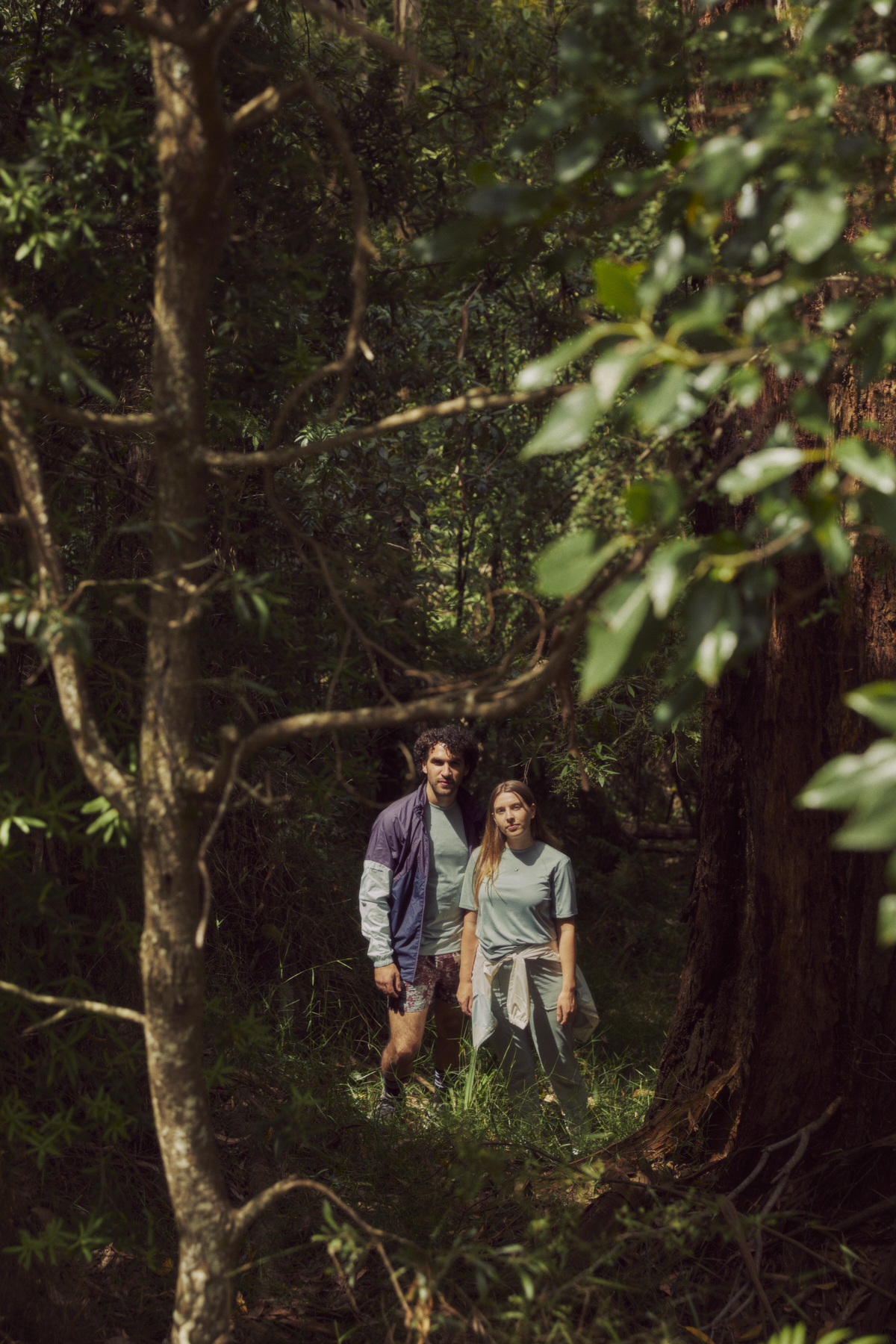
Guides often invite participants to notice the coolness of the air on their skin, the texture of moss, or the distant rhythm of wind through branches. These are portals to a deeper awareness, a way of anchoring the mind in the body and the moment.
This shift — from analysis to attention — is why forest bathing has been compared to mindfulness. But instead of sitting on a cushion, you’re walking through a cathedral of trees. Nature becomes the teacher, the temple, and the medicine.
More than wellness — a rewilding of spirit
Beyond the health data and meditative tools, forest bathing carries a quiet ecological ethic. It reminds us that we are not visitors in nature — we are part of it. That trees are not merely scenic backdrops, but fellow life forms with their own timelines and wisdom.
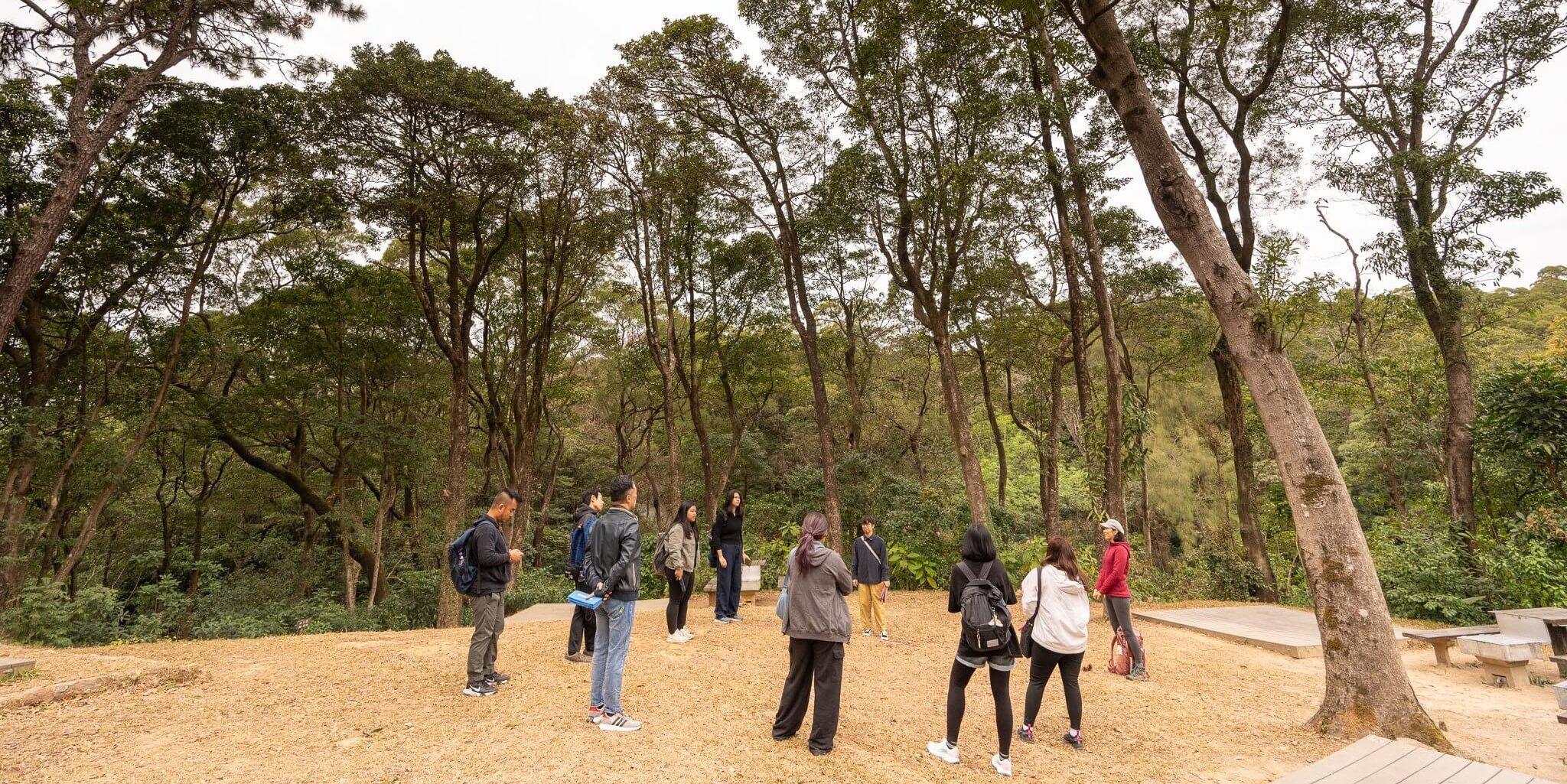
Many practitioners describe a subtle reorientation after repeated forest walks: a gentler way of seeing, a deeper empathy for non-human life, a revived sense of awe. These shifts may not be quantifiable, but they are powerful — especially in a time of climate crisis and urban disconnection.
In this way, forest bathing offers more than a balm for stressed-out city dwellers. It becomes a cultural recalibration, inviting us to live not above the natural world, but within it — slowly, humbly, and with both feet on the forest floor.