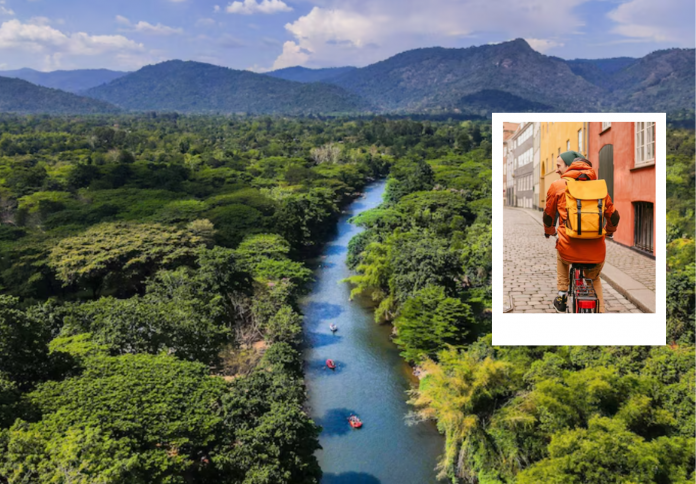
In an era of unprecedented global mobility, the way we travel is undergoing a profound transformation. The traditional model of tourism, often focused on consumption and convenience, is giving way to a more thoughtful and responsible approach: sustainable travel. This isn’t just a trend; it’s a philosophy that encourages us to consider the environmental, social, and economic impact of our journeys. It’s about more than simply recycling in your hotel room; it’s about making conscious choices that support local communities, preserve natural ecosystems, and create more authentic and enriching experiences. This guide offers a new mindset and practical tips for travelers who want to explore the world while leaving a positive footprint, ensuring our wanderlust benefits both the destinations we visit and the people who live there.
The Foundational Principles of Sustainable Travel
Sustainable travel is built on a few core principles that guide every decision, from planning to returning home. The first principle is environmental conservation. This means minimizing your carbon footprint by choosing lower-impact transportation, reducing waste, and respecting local ecosystems. It’s about preserving the natural beauty of a destination, ensuring that future generations can also enjoy its pristine landscapes and vibrant biodiversity. The second principle is economic responsibility. This involves directing your money to local, independent businesses rather than large, international corporations. By staying at a family-run guesthouse, eating at local restaurants, and buying souvenirs from local artisans, you ensure that your money directly benefits the community you are visiting.

The final, and perhaps most crucial, principle is social and cultural respect. Sustainable travel is about being a mindful guest. This means taking the time to learn about and respect local customs, traditions, and ways of life. It’s about engaging with local people in a meaningful way, asking permission before taking photos, and being aware of how your presence affects the community. By adhering to these principles, you transform your trip from a simple vacation into a genuine cultural exchange, creating memories that are both authentic and impactful.
Practical Steps for Mindful Exploration
Making your travels more sustainable doesn’t require a radical overhaul; it can be achieved through a series of small, conscious choices. When it comes to transportation, consider a train over a plane for shorter distances, or opt for a direct flight to minimize your carbon emissions. Once you arrive, embrace local transport like buses, bikes, or walking. These choices not only reduce your environmental impact but also allow you to experience a city in a more intimate and authentic way.

Accommodations also present a major opportunity for sustainable choices. Look for hotels or guesthouses with certified eco-friendly practices, or choose locally owned lodging that puts money back into the community. When it comes to food, seek out restaurants that source their ingredients locally and seasonally. This supports local farmers and reduces the carbon footprint associated with long-distance food transport. It’s an easy and delicious way to contribute to the local economy while enjoying authentic cuisine.
The Art of Conscious Consumption
The souvenirs and products we buy while traveling can have a significant impact on local communities. Sustainable travel encourages a shift from mass-produced trinkets to handcrafted, locally made goods. By purchasing from local artisans and markets, you are supporting a community’s traditions and livelihoods. This is not just a financial transaction; it is a cultural one, a way of honoring the skills and heritage of a place.

Furthermore, being mindful of waste is a simple yet powerful way to travel better. Pack a reusable water bottle and coffee cup to reduce plastic waste. Carry a reusable shopping bag for purchases. In a world where single-use plastics are a major environmental threat, these small actions can have a big cumulative effect. They also send a clear message to the destinations you visit that you care about their environmental health.
The Deeper Rewards of Traveling Better
Beyond the environmental and economic benefits, traveling sustainably offers profound personal rewards. When you slow down and engage with a destination in a more mindful way, you open yourself up to a richer and more meaningful experience. You are more likely to have genuine interactions with local people, discover hidden gems off the beaten path, and gain a deeper appreciation for a new culture. This kind of travel is less about checking off a list of landmarks and more about creating authentic connections and lasting memories.

By making a conscious effort to travel better, we become part of a global movement that is working to preserve our planet and support its diverse communities. It’s a way of turning our wanderlust into a force for good. Ultimately, sustainable travel is a recognition that the world is a shared resource, and it is our responsibility to explore it with respect, curiosity, and a sense of stewardship. It is a journey that benefits not just us, but the places we visit and the people we meet along the way.