
In recent months, several luxury fashion brands have come under scrutiny for cultural appropriation and misrepresentation of traditional Indian designs. These controversies have sparked debates about the ethical responsibilities of global fashion houses and the need for greater cultural sensitivity.
Prada’s Kolhapuri Chappal Controversy
Italian fashion house Prada faced significant backlash after unveiling sandals in its Spring/Summer 2026 menswear collection that closely resembled India’s traditional Kolhapuri chappals. These handcrafted leather sandals, originating from Kolhapur in Maharashtra, have been awarded Geographical Indication (GI) status by the Indian government, recognizing their unique cultural and artisanal heritage.

Prada initially marketed the sandals as “simple leather flat sandals” without acknowledging their Kolhapuri origins. This omission led to accusations of cultural appropriation, with critics arguing that the brand was profiting from a centuries-old design without crediting the original artisans. In response to the outcry, Prada issued a statement acknowledging the Indian influence and expressed willingness to engage with local artisans for meaningful collaboration.
Dior’s Mukaish Embroidery Incident
French luxury brand Dior found itself embroiled in controversy over a $200,000 coat featuring mukaish embroidery, a traditional Indian embellishment technique. The coat, part of Jonathan Anderson’s debut collection for Dior, prominently displayed the intricate handwork without crediting Indian artisans or acknowledging the cultural significance of the technique.
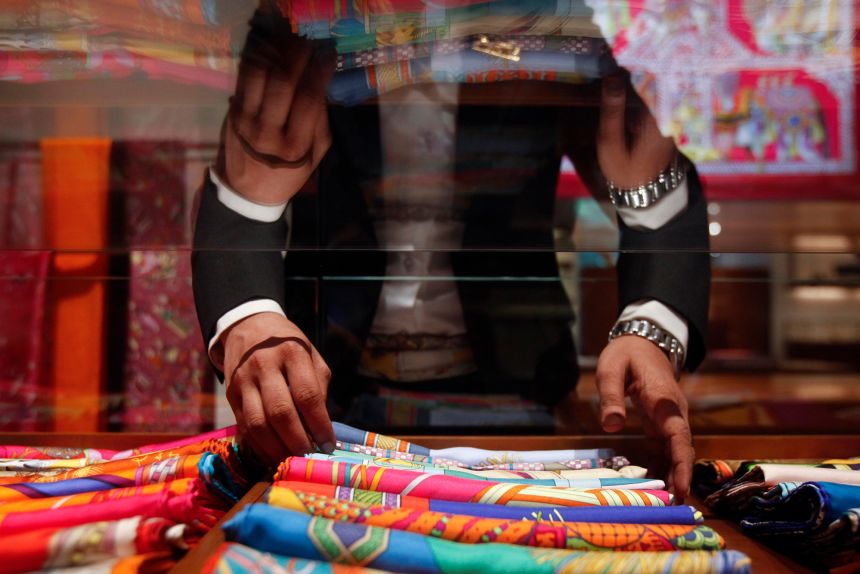
The lack of recognition led to widespread criticism, with fashion commentators highlighting the ongoing issue of Western brands appropriating traditional crafts without proper acknowledgment. This incident underscores the broader challenges facing the fashion industry in balancing creative inspiration with cultural respect.
Louis Vuitton’s India-Inspired Collection

In contrast to the controversies surrounding Prada and Dior, French luxury label Louis Vuitton received praise for its respectful incorporation of Indian aesthetics into its Spring/Summer 2026 men’s collection. The collection, titled “A Voyage to India,” featured a runway designed by renowned Indian architect Bijoy Jain, showcasing elements of Indian culture in a thoughtful and authentic manner.

Louis Vuitton’s approach has been lauded as a positive example of cultural appreciation, highlighting the importance of understanding and respecting the cultural contexts from which design inspirations are drawn. This case demonstrates that global fashion brands can successfully engage with diverse cultures when done with sensitivity and acknowledgment.
The Need for Greater Cultural Sensitivity

These incidents highlight the ongoing challenges in the fashion industry regarding cultural appropriation and the ethical responsibilities of global brands. Experts argue that luxury fashion houses must move beyond superficial engagement with cultural elements and strive for genuine understanding and respect.

Implementing measures such as acknowledging the origins of design inspirations, collaborating with local artisans, and ensuring fair compensation are steps toward fostering a more ethical and culturally sensitive fashion industry. As global markets become increasingly interconnected, the need for cultural awareness and responsibility in fashion design and marketing is more pressing than ever.