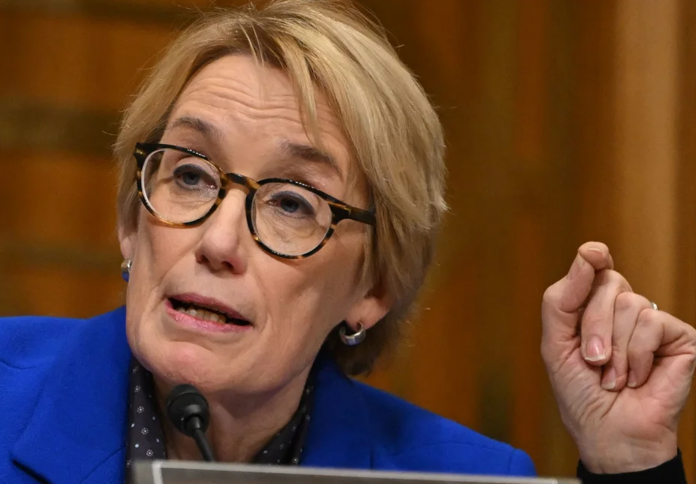
Following alarming reports of podcasts promoting online drug sales without prescriptions, Senator Maggie Hassan has stepped forward to demand transparency and accountability from Spotify. The popular audio streaming platform recently removed dozens of podcasts flagged for promoting controlled substances like Adderall and Oxycontin through suspicious online pharmacies. With the risk of overdose and illicit drug distribution on the rise, Hassan’s inquiry underscores the urgent need for tech companies to better police their content and protect vulnerable listeners, especially teenagers. As investigations deepen, questions remain about how these harmful podcasts slipped through Spotify’s moderation and what actions the company will take to prevent future abuses.
Background: Fake podcasts and online drug sales on the rise
In recent weeks, multiple news outlets, including CNN and Business Insider, uncovered a disturbing trend on Spotify — a surge of fake podcasts promoting online pharmacies that allegedly sell controlled substances such as Adderall and Oxycontin without requiring prescriptions. These podcasts not only violated Spotify’s content policies but also appeared prominently among top search results for certain drug names, increasing their reach to unsuspecting listeners.
Spotify responded promptly by removing dozens of flagged podcasts identified by CNN and over 200 others reported by Business Insider. The streaming giant stressed that these podcasts directed users to potentially illegal websites, exposing audiences to serious risks including counterfeit medicines and unregulated drug sales. This issue poses a grave public health concern, especially given that buying controlled substances online without prescriptions is prohibited by U.S. law.
Experts, parents, and lawmakers alike have raised alarms about the dangers of online platforms enabling the sale of counterfeit or illicit drugs to young people. Tragically, multiple teenagers have died from overdoses linked to pills purchased through such shady online channels, amplifying calls for tech platforms to increase vigilance and protective measures.
Senator Hassan demands accountability and concrete action
Reacting to these revelations, Senator Maggie Hassan, a Democrat from New Hampshire and ranking member of the Joint Economic Committee, sent a pointed letter to Spotify CEO Daniel Ek urging the company to take robust steps to prevent fake podcasts from facilitating illegal drug sales. Hassan’s letter, sent on Thursday, reflects growing frustration among lawmakers about how such harmful content was allowed to proliferate unchecked.
In an exclusive statement to CNN prior to releasing the letter, Hassan emphasized the devastating human toll of drug overdoses and the urgent responsibility Spotify holds. “Far too many parents have experienced the unimaginable pain of losing their child to an accidental overdose,” she said. “Spotify has a responsibility to significantly ramp up its efforts to stop criminals from using the platform to facilitate deadly drug sales to anyone, especially teens.”
The letter requests detailed information on Spotify’s actions, including the number of fake drug-related podcasts removed, user engagement statistics before their removal, any revenue generated from these podcasts, and whether the company cooperates with law enforcement agencies when illegal content is detected. Hassan also seeks clarity on Spotify’s current moderation tools, how effective they have been in identifying drug-related content, and whether new measures will be implemented following the recent reports. Spotify has been given a deadline of June 12 to respond to these inquiries, underscoring the urgency with which lawmakers are addressing this issue.
Spotify’s response and the broader challenge of content moderation
Spotify has publicly stated that it is “constantly working to detect and remove violating content across our service.” In response to Senator Hassan’s letter, a company spokesperson reiterated this commitment, highlighting that the problem of illicit content is not unique to Spotify and affects other platforms as well.
Importantly, Spotify confirmed that it did not generate any revenue from the phony podcasts promoting illegal drug sales, countering concerns that the company may have profited from such content. However, the fact that these podcasts gained enough traction to appear prominently in search results raises critical questions about the effectiveness of Spotify’s content moderation and algorithmic recommendations.
Content moderation on large digital platforms remains a complex and evolving challenge. As Spotify and others work to balance user freedom and safety, incidents like this spotlight the need for more advanced detection technologies, stricter enforcement, and proactive cooperation with regulators and law enforcement to combat illegal activities.
Protecting users and the path forward
The Spotify podcast scandal has heightened awareness about the risks of online content promoting illicit drug sales, especially as the platform attracts a vast and diverse audience, including teenagers and young adults who may be vulnerable to these dangers. For parents and public health advocates, the incident is a call to action demanding better safeguards against harmful content online.
Senator Hassan’s inquiry is part of a broader push for transparency and responsibility from tech companies. As the deadline for Spotify’s response approaches, stakeholders will be watching closely to see whether the company commits to stronger protections and how it plans to prevent such issues in the future. With the rise of digital audio as a key media format, ensuring the safety and integrity of podcast content is essential—not just for Spotify but for the entire industry. Preventing platforms from becoming conduits for illegal activity is crucial to protecting public health and maintaining trust in digital media.