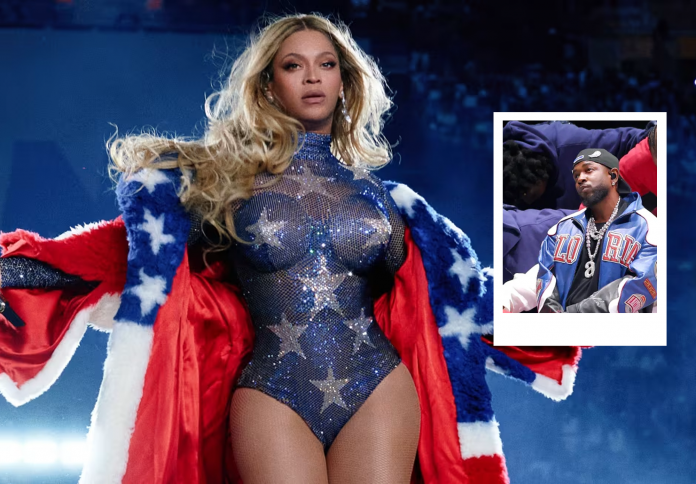
Can an album reclaim America’s symbols while challenging its identity? With Cowboy Carter, Beyoncé has ignited both celebration and controversy—using Western imagery and flag iconography to honor Black history, critique national narratives, and reshape country music’s future.
Reimagining Americana through a Black lens
Beyoncé’s Cowboy Carter is unapologetically an American ode—its cover features her draped in red, white, and blue, astride a horse with a star-spangled sash. But this imagery isn’t mere pageantry. It’s a deliberate reclaiming of symbols rooted in exclusion and oppression. Critics argue she challenges viewers to rethink national icons through the lens of Black creativity and resilience.
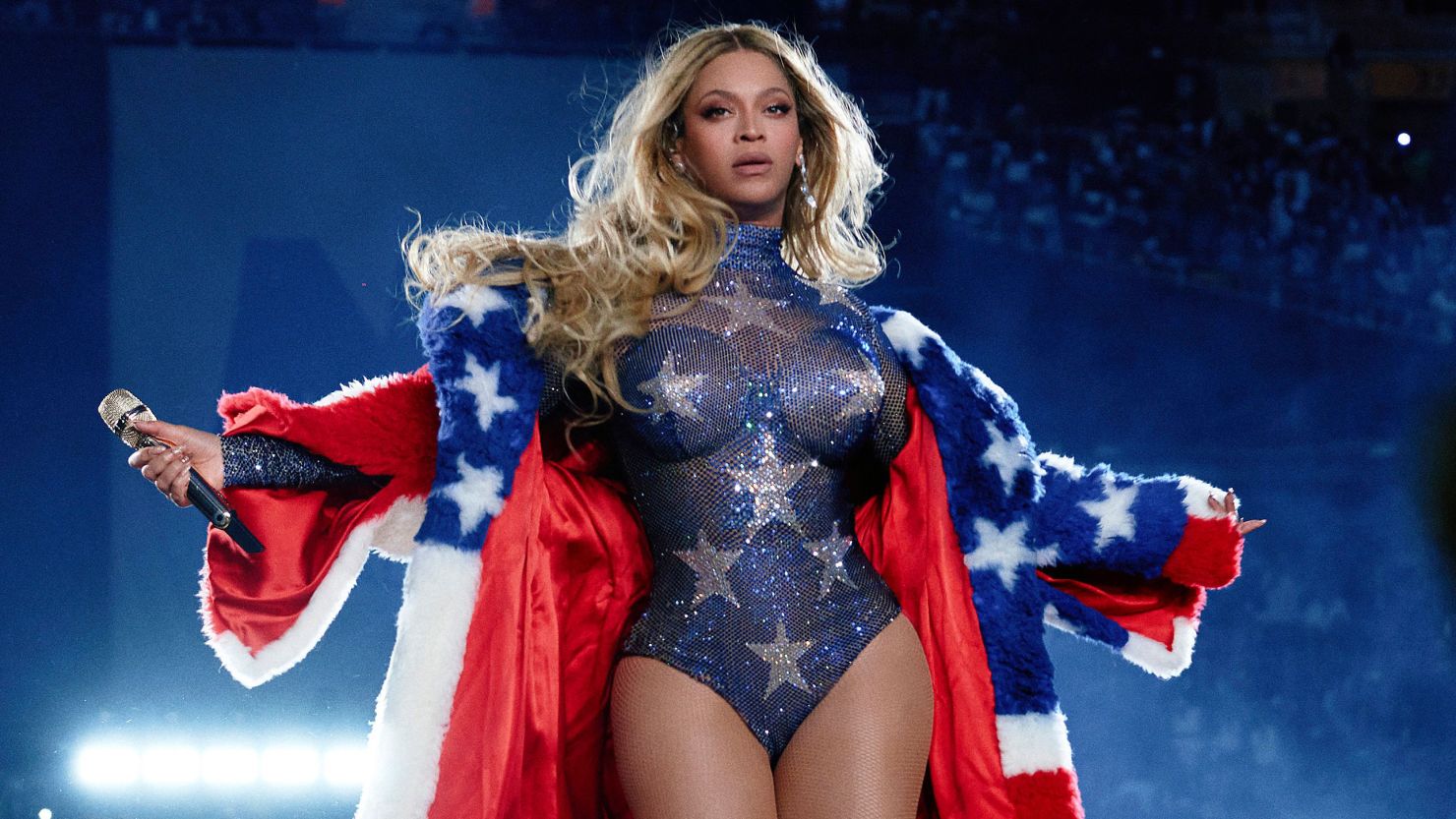
By placing herself front and center within this visual narrative, Beyoncé asserts that Black identity and patriotism aren’t mutually exclusive. Instead, she demands recognition of the overlooked contributions Black people made to American history—especially within country music’s foundations.
Shaking up country music’s traditions
Cowboy Carter has not only redefined Beyoncé’s image—it has reshaped an entire genre. As the first Black woman to top the Country Albums chart and with singles like “Texas Hold ’Em” dominating country airwaves, she’s shattered expectations. Country artists from Dolly Parton to Darius Rucker praised her work, calling it an important step toward broader representation.
Yet establishment resistance remains. Major country awards like the CMAs overlooked her entirely—a snub many decried as racially motivated and emblematic of deeper biases in a genre long perceived as predominantly white.
Cultural controversy meets commercial success
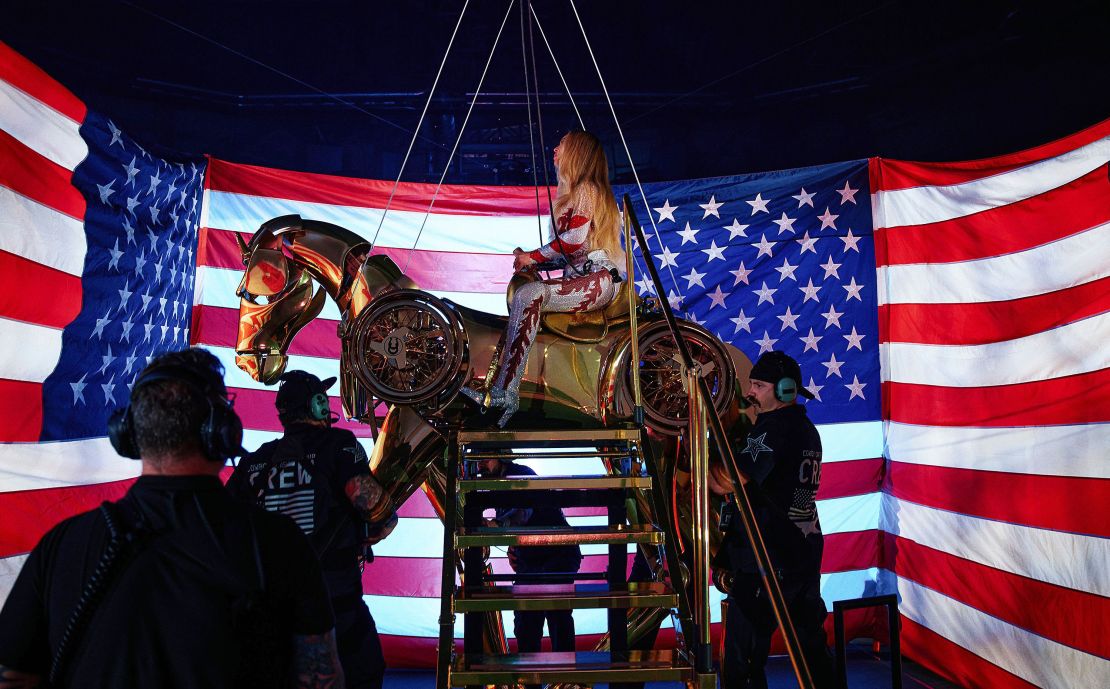
While some criticized Beyoncé’s flag-centered aesthetic as contradictory, others hailed it as reclamation. Commentators suggest that by draping herself in American symbolism, Beyoncé is staking space for Black narratives within national identity—highlighting both pride and protest.
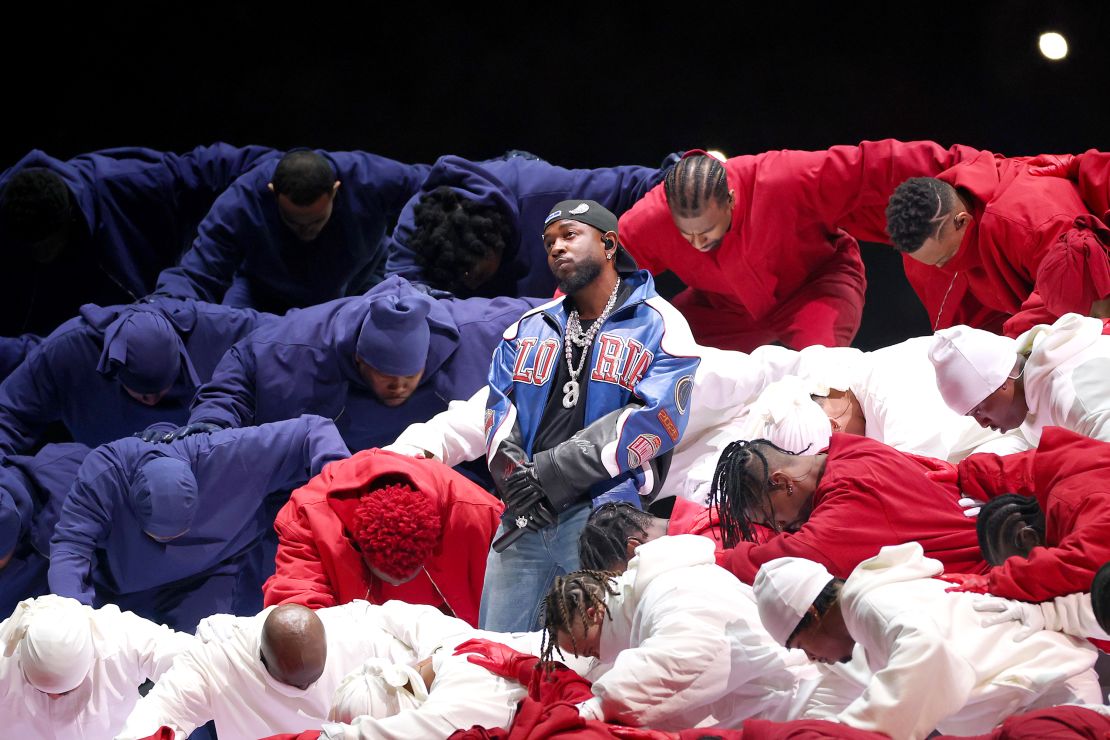
Amid this symbolic tug-of-war, Cowboy Carter soared commercially. Its success is proof that audiences are not only receptive—but eager—for a country music that includes Black voices and historical nuance. This is art challenging tradition—and winning both charts and hearts.
Building a new blueprint for patriots and performers
Beyond awards and controversy, Beyoncé’s move marks a meaningful shift in how artists engage with national narratives. Her imagery isn’t just about style—it’s a statement: that patriotism can coexist with critique, that symbols can be repurposed, and that genres can evolve.
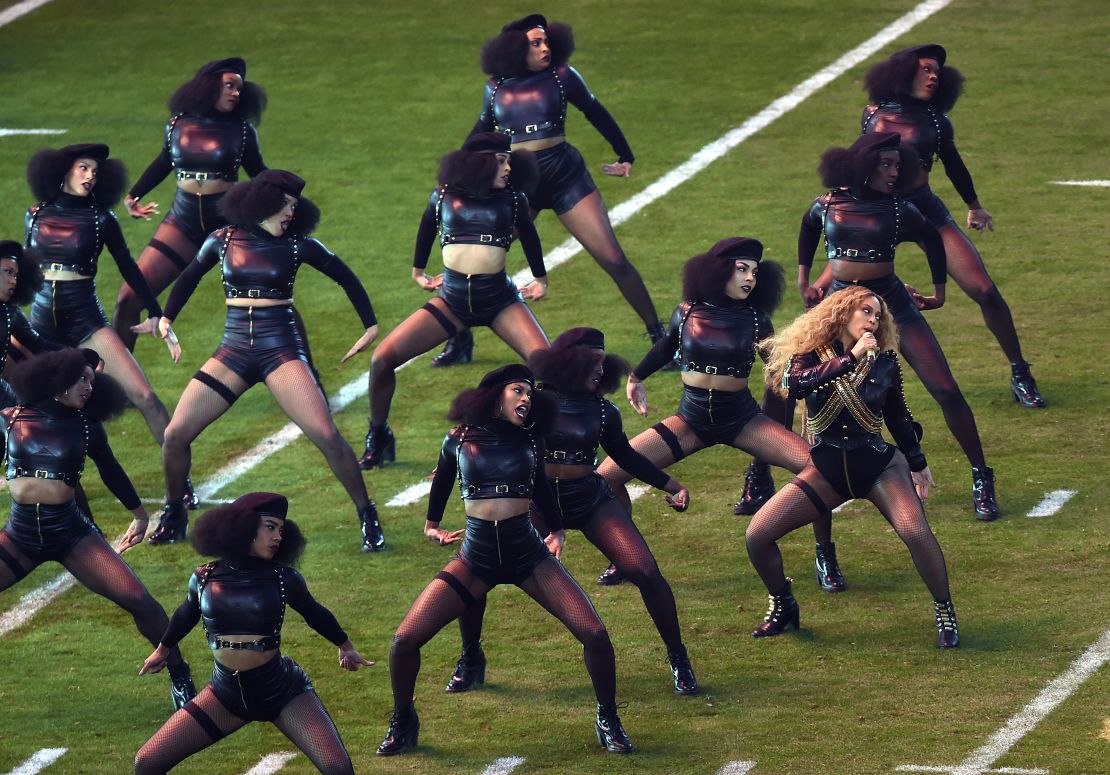
By rooting her work in reclamation and representation, she challenges fans and institutions alike to broaden the definition of what it means to be American—and what country music can sound like.
Reclaiming the flag, redefining the nation
Cowboy Carter is more than an album—it’s a cultural manifesto. With her bold vision, Beyoncé confronts America’s exclusions head-on, inviting us to reconsider symbols, traditions, and the voices that shape them. In doing so, she doesn’t just make music—she makes history.