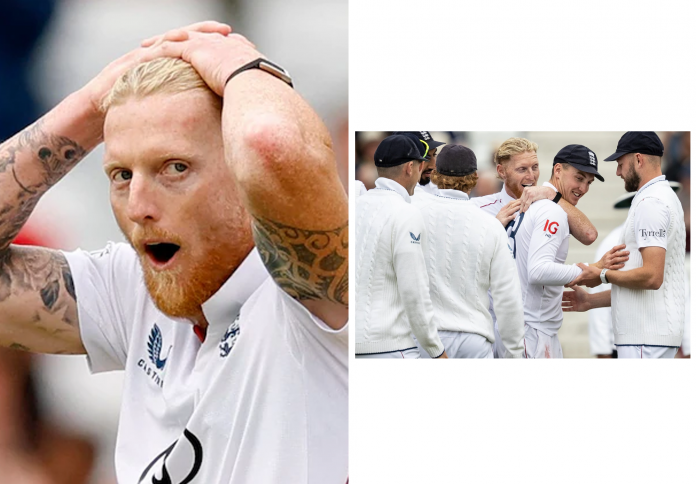
It was a moment that echoed through Trent Bridge and beyond—Harry Brook soaring left, right arm outstretched, plucking the ball from mid-air with a one-handed leap that defied belief. In a Test match that seemed routine, the Yorkshireman delivered a flash of brilliance destined for cricketing folklore. This is how a split-second act of fielding lit up a summer afternoon, drew gasps of disbelief, and carved Brook’s name into England’s highlight reel.
The early signs: from comedy to calamity
Sometimes, moments of brilliance are preceded by the bizarre. In the 41st over of Zimbabwe’s innings, Brook—fielding at slip to Shoaib Bashir—found himself at the centre of a comedy of errors. A thick edge from Sikandar Raza ricocheted off the gloves of wicketkeeper Jamie Smith and struck Brook squarely on the head. His England teammates chuckled as he shook it off, but the incident seemed to foreshadow what was to come.
Far from rattled, Brook regained his composure with quiet focus. And just seven overs later, with Zimbabwe mounting some spirited resistance, the match was ready for a turning point.
The delivery that set it all up

By the 48th over, England’s frustration was showing. Zimbabwe, while never truly in control, had managed to blunt the attack just enough to prompt Ben Stokes’ return to the bowling crease. The England captain’s presence often signals a shift in intensity, and this time was no different. Stokes fired in a short-pitched delivery to Wessly Madhevere. Looking to punch through the off side, Madhevere misjudged the bounce. The ball climbed more sharply than expected, catching the edge of the bat. It looped high—a miscue destined to hang in the air for a brief eternity.
To the crowd at Trent Bridge, and likely to the batsman himself, the edge seemed bound for the gap—too far for the slip cordon, too fast for a fielder to react.
The catch that stopped time
But Harry Brook had other ideas.
Stationed at second slip, he responded in an instant. He launched himself to his left, twisting mid-air, right arm fully extended. What happened next seemed to defy physics. With barely a fraction of a second to judge the trajectory, Brook’s fingers met the ball in flight, gripping it mid-leap with the calm precision of a seasoned outfielder—and not a Test cricketer hurling himself at a rock-hard projectile.

Landing with practiced grace, he rose as if he had simply fulfilled a casual expectation. But the eruption from teammates, the roar from the stands, and the shocked laughter from commentators made clear: this was no ordinary catch.
Echoes of greatness at Trent Bridge
Brook’s catch instantly drew comparisons with some of England’s most iconic fielding moments. Perhaps inevitably, thoughts turned to Ben Stokes’ leaping catch at the 2019 World Cup opener at The Oval—an athletic one-hander that even drew praise from rival nations. Mark Butcher, calling the action, echoed Nasser Hussain’s famous line from that day: “You cannot do that, Harry Brook.”

But for those at Trent Bridge, another memory lingered even stronger: Stokes again, in 2015, soaring to catch Adam Voges during Australia’s infamous collapse to 60 all out. That moment became the enduring image of Stuart Broad’s legendary eight-wicket haul. On that day, Stokes celebrated in shock, hand covering his mouth. On this day, it was Stokes applauding Brook’s miracle with the same gesture—reverent, incredulous, joyful.
In a ground rich with cricketing drama, Brook had added his own unforgettable chapter.
A fielder reborn
While his batting prowess has earned him a central role in England’s Test side, Brook’s development in the field has been just as significant—if quieter. In his teenage years, the Yorkshireman was labelled by some as slightly sluggish, even “chubby.” But through relentless fitness work and dedicated drills, he’s transformed himself into one of the most agile and reliable fielders in the team.
His catch against Zimbabwe was not just a moment of natural brilliance, but also the culmination of years of hard graft. The nonchalance with which he celebrated—barely a nod, a modest smile—spoke volumes. This wasn’t luck. This was craft. And it is likely to become a reference point for aspiring cricketers, replayed in highlights packages and coaching montages for years to come.
The moment that made the match
While England ultimately wrapped up the match comfortably, Brook’s catch was the standout highlight of the day—a spark in a Test match that, otherwise, followed a predictable course. Fielding, so often underappreciated in the grand narratives of cricket, once again proved its power to lift a game into something transcendent.
As fans filtered out of Trent Bridge, they weren’t just talking about scorecards or statistics. They were talking about that catch—an instinctive, athletic, mind-bending act that transformed an ordinary dismissal into a moment of sporting theatre.
In the end, Harry Brook didn’t just take a catch. He created a memory. A flash of brilliance at just the right time, on just the right stage. In a summer filled with hopes and headlines, Brook has already delivered a moment to treasure.