Where to eat in lyon through chef viviana pisacane's perspective is a reminder that travel is often most memorable when a destination is understood through the systems that give it texture: food, landscape, hospitality, architecture, local routine, and the pace at which a visitor moves through them. Lists can be useful, but they rarely explain why a place stays with us. The deeper appeal comes from context—how a hotel fits its surroundings, how a regional dish reflects climate and history, or how a journey feels different when speed is exchanged for attention. Approached this way, travel becomes less about collecting locations and more about reading them. The goal is not to turn every trip into a lesson, but to notice enough detail that the experience feels specific rather than interchangeable.
Arriving With Context
Travel becomes more vivid when arrival is treated as the beginning of attention rather than the completion of a checklist. where to eat in Lyon through chef Viviana Pisacane's perspective can be approached through practical recommendations, but recommendations make more sense when they are connected to place. Climate, geography, local schedules, transport, seasonality, and cultural habits all shape what feels natural once a traveler is there. A good itinerary leaves enough structure to reduce friction and enough space for the destination to interrupt the plan.
A good guide should therefore leave room for judgment. It can identify strong options and explain their character, but the traveler still has to decide what pace, budget, comfort level, and degree of structure suit the trip. where to eat in Lyon through chef Viviana Pisacane's perspective is most valuable as a set of informed possibilities. The best choice is the one that creates attention rather than merely filling time.
Place Is More Than a Backdrop
Place is not a decorative backdrop. Landscapes affect architecture and food; cities shape how people move; islands, mountains, rivers, and coastlines create their own rhythms of distance. where to eat in Lyon through chef Viviana Pisacane's perspective is most rewarding when those relationships remain visible. The goal is not to romanticize local life for visitors, but to notice how an experience fits the environment that produced it. That perspective can turn an ordinary meal, hotel stay, or train ride into something more specific than a generic luxury or leisure experience.
Seasonality can be as important as geography. Weather, harvests, festival calendars, wildlife patterns, and crowd levels change the character of a destination. where to eat in Lyon through chef Viviana Pisacane's perspective should therefore be planned with timing in mind rather than treated as a fixed product available identically all year. This is especially true for food-focused travel, ski regions, island journeys, and outdoor landscapes where local conditions directly shape what is possible and pleasurable.

Food, Hospitality, and Local Rhythm
Food and hospitality are especially powerful forms of context because they make culture tangible without requiring a formal lesson. where to eat in Lyon through chef Viviana Pisacane's perspective invites travelers to pay attention to ingredients, service patterns, dining times, regional specialties, and the relationship between accommodation and landscape. Hotels and restaurants are not neutral containers; at their best, they help translate a place. At their worst, they can insulate visitors from it. Choosing well means asking what kind of encounter a property or table makes possible.
Accommodation is often the travel decision with the largest effect on daily rhythm. A central city hotel encourages walking and late returns; a rural retreat changes the value of staying put; a property near a major natural site can turn early mornings into part of the experience. where to eat in Lyon through chef Viviana Pisacane's perspective becomes more useful when hotels are compared by the kind of trip they create, not by amenities alone. Location is not a line in the specification sheet—it is an itinerary choice.
The Case for Slower Attention
Speed changes what can be noticed. Slow boats, longer meals, walking routes, and multi-night stays can reveal patterns that disappear when every hour is optimized. where to eat in Lyon through chef Viviana Pisacane's perspective makes a strong case for selective slowness. This does not require an ascetic rejection of convenience. It simply means deciding where efficiency matters and where it would erase the experience. A slower pace can also reduce the temptation to treat destinations as interchangeable backgrounds for the same habits repeated in different locations.
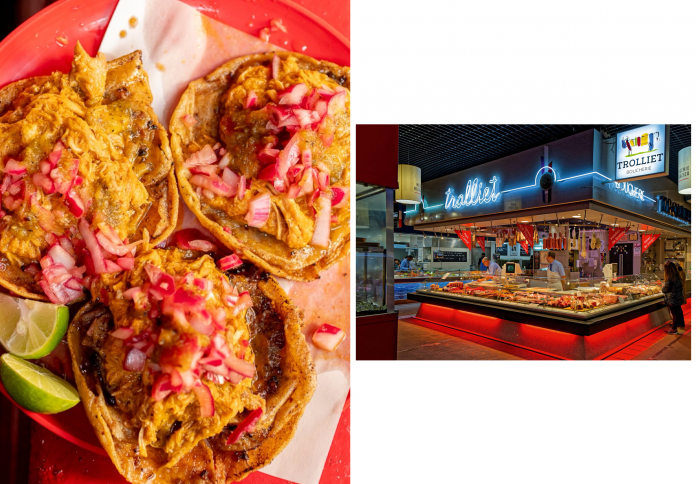
The same principle applies to food. The most useful restaurant recommendation explains what to order, why the place matters, and how it fits a day in the destination. where to eat in Lyon through chef Viviana Pisacane's perspective gains depth when eating is treated as part of local geography rather than as a separate list of reservations. Markets, street food, fine dining, regional ingredients, and neighborhood institutions can all tell different parts of the story, and none needs to stand in for the whole cuisine.

What Makes the Experience Specific
The most memorable trips tend to become specific in hindsight: a particular light, a local flavor, a route between two places, the texture of a room, or the timing of a festival. where to eat in Lyon through chef Viviana Pisacane's perspective is valuable when it helps create conditions for those details rather than promising a universal version of 'the best.' Travel advice works best as a framework for attention. The destination still needs to be allowed to remain itself, including the parts that do not fit neatly into an itinerary or an image.
Responsible travel also begins with scale. Popular places can absorb visitors unevenly, and the desire to see a landmark should be balanced with the realities of crowding, conservation, and community life. where to eat in Lyon through chef Viviana Pisacane's perspective invites a practical form of respect: follow local rules, use established infrastructure, avoid treating private spaces as attractions, and recognize that protected landscapes and cultural events are not staged solely for visitors.