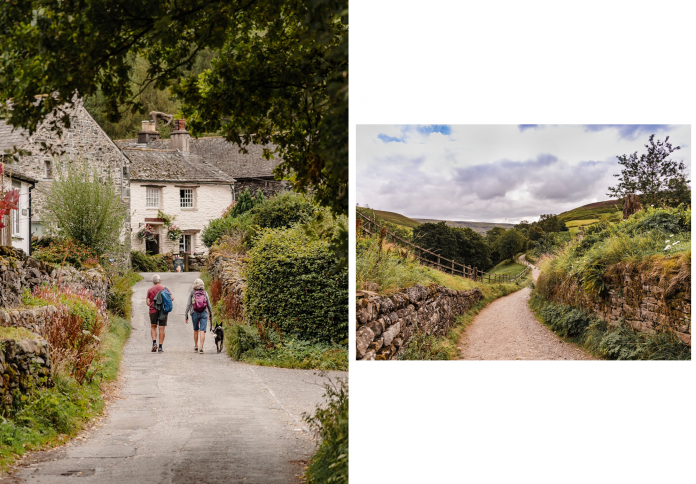
From the rugged cliffs of St Bees on the Irish Sea to the mist-shrouded North York Moors, the Coast to Coast path is more than a trail—it is a 192-mile narrative of the English landscape. Conceived in 1973 by the legendary fell-walker Alfred Wainwright, this trans-continental odyssey has long been a rite of passage for hikers, yet this spring marks a historic turning point as it officially becomes a National Trail. The designation brings with it a multi-million-pound restoration, ensuring that the path’s ancient stiles, stone-arch bridges, and windswept ridgelines are preserved for a new generation. Crossing three national parks—the Lake District, the Yorkshire Dales, and the North York Moors—the trail offers an intimate cross-section of rural Britain, where the tradition of carrying a small pebble from one coast to deposit in the other remains a symbolic bond between the hiker and the timeless geography of the North.
A Legacy Carved in Sandstone and Slate
The Coast to Coast path was born from the imagination of a man who found his salvation in the fells. Alfred Wainwright, a reclusive accountant from Blackburn, first glimpsed the Lake District in 1930 and was forever transformed by its “peaks and lakes like slivers of polished silver.” His 1973 guidebook, meticulously hand-illustrated, did not just map a route; it invited others to devise their own cross-country marathons. Today, the trail stands as his most enduring legacy, a path that balances the raw beauty of the wilderness with the gentle charm of English hamlet life.
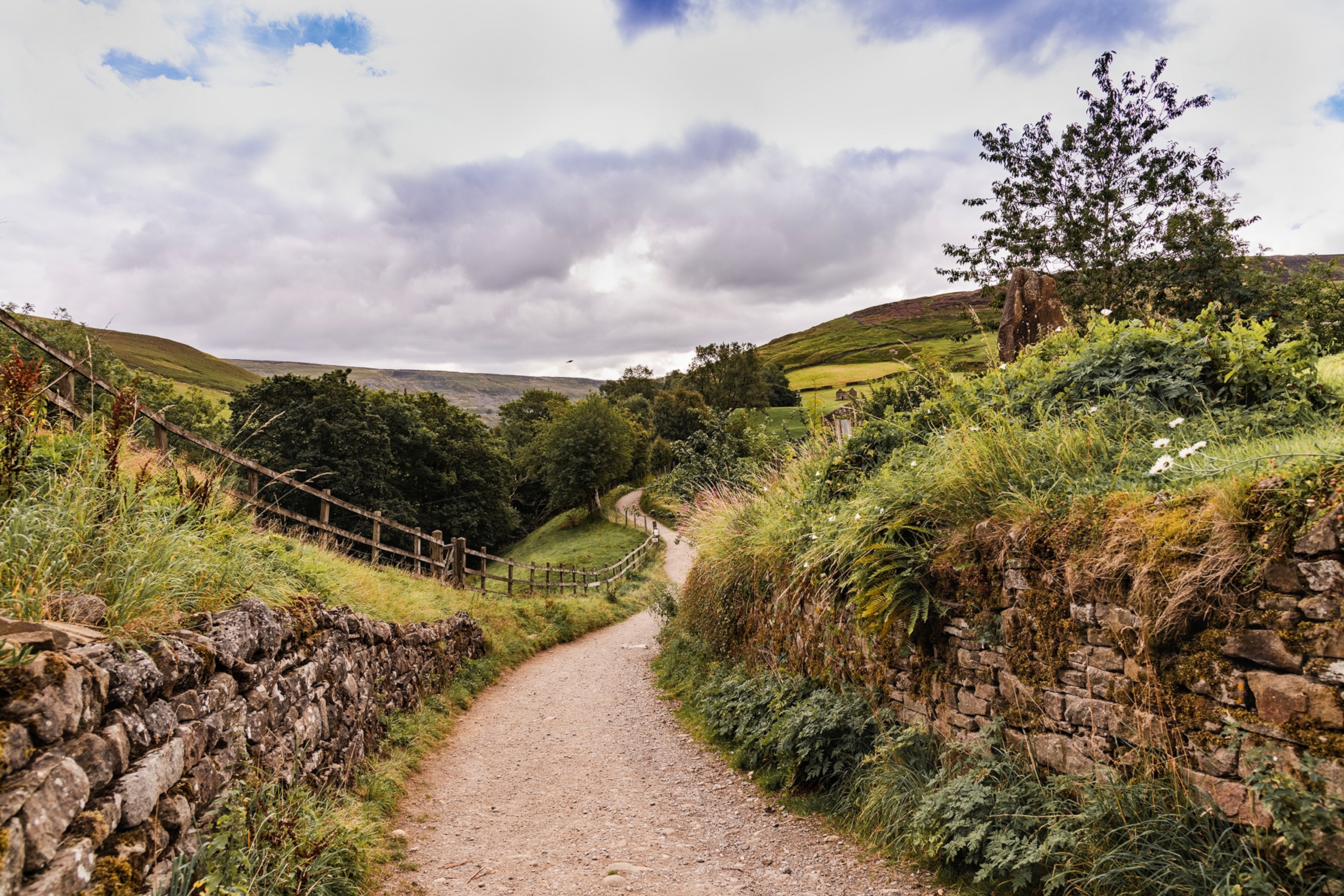
The recent transition to National Trail status has seen significant infrastructural upgrades, most notably the use of salvaged factory flagstones to pave treacherous, boggy stretches. These “patios in the sky” have not only made the ascent of Hartley Fell and the crossing of the Nine Standards more accessible but have also preserved the delicate peat bogs from erosion. While some purists may miss the “boot-swallowing” mud of decades past, the upgrades allow hikers to keep their heads up, soaking in the panoramic tapestries of the Eden Valley and the distant, crumpled silhouettes of the Lakeland fells.
The Lakeland Fells: A Romantic’s Playground
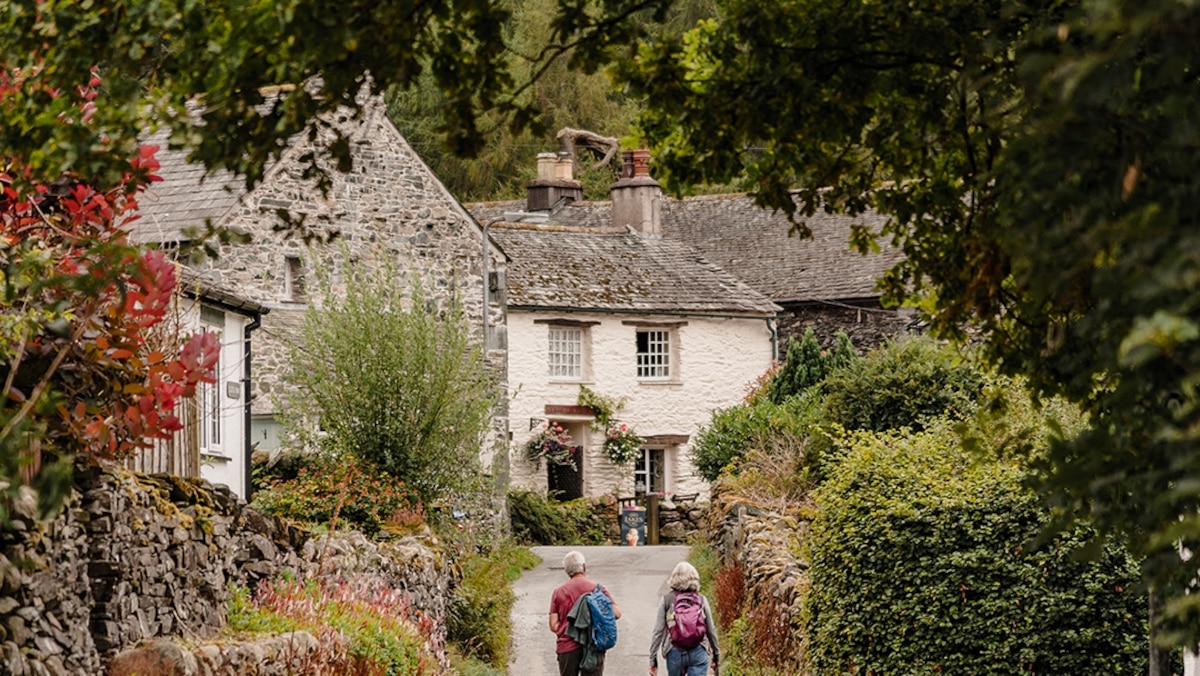
The first third of the journey is dominated by the dramatic topography of the Lake District National Park. Starting from the red sandstone cliffs of St Bees, the path pivots east toward the high fells that so enchanted Wainwright. Hamlets like Rosthwaite, hunkered in the folds of the Borrowdale valley, serve as cozy outposts where stone cottages are ringed by “brawny fells” like Eagle Crag. This is a land of verticality and weather, where roaming shafts of sunlight illuminate valley views that have inspired poets like William Wordsworth for centuries.
In the village of Grasmere, the trail intersects with culinary history. Hikers often find themselves in a different kind of queue—one for the famous Grasmere Gingerbread. Since 1854, this spicy-sweet cross between a biscuit and a cake has been baked in a tiny cottage near St Oswald’s churchyard. Packaged in 12-packs that fit perfectly into the side pockets of a rucksack, it has become the unofficial fuel of the Coast to Coast walker. For many, the ginger-scented air of the village is as much a part of the trail’s identity as the mountain air of the surrounding summits.
Mysteries of the Nine Standards and the Yorkshire Dales
Moving east into the Yorkshire Dales National Park, the landscape shifts from the sharp edges of slate to the rolling green tapestries of limestone and peat. The ascent from the market town of Kirkby Stephen leads to the summit of Hartley Fell, home to the enigmatic Nine Standards. These drystone cairns, some standing three meters high, remain a mystery to historians—alternately interpreted as medieval boundary markers or dummy military encampments designed to ward off invaders. On a clear day, they provide a vantage point that connects the Lakeland peaks to the west with the imposing North Pennines to the north.
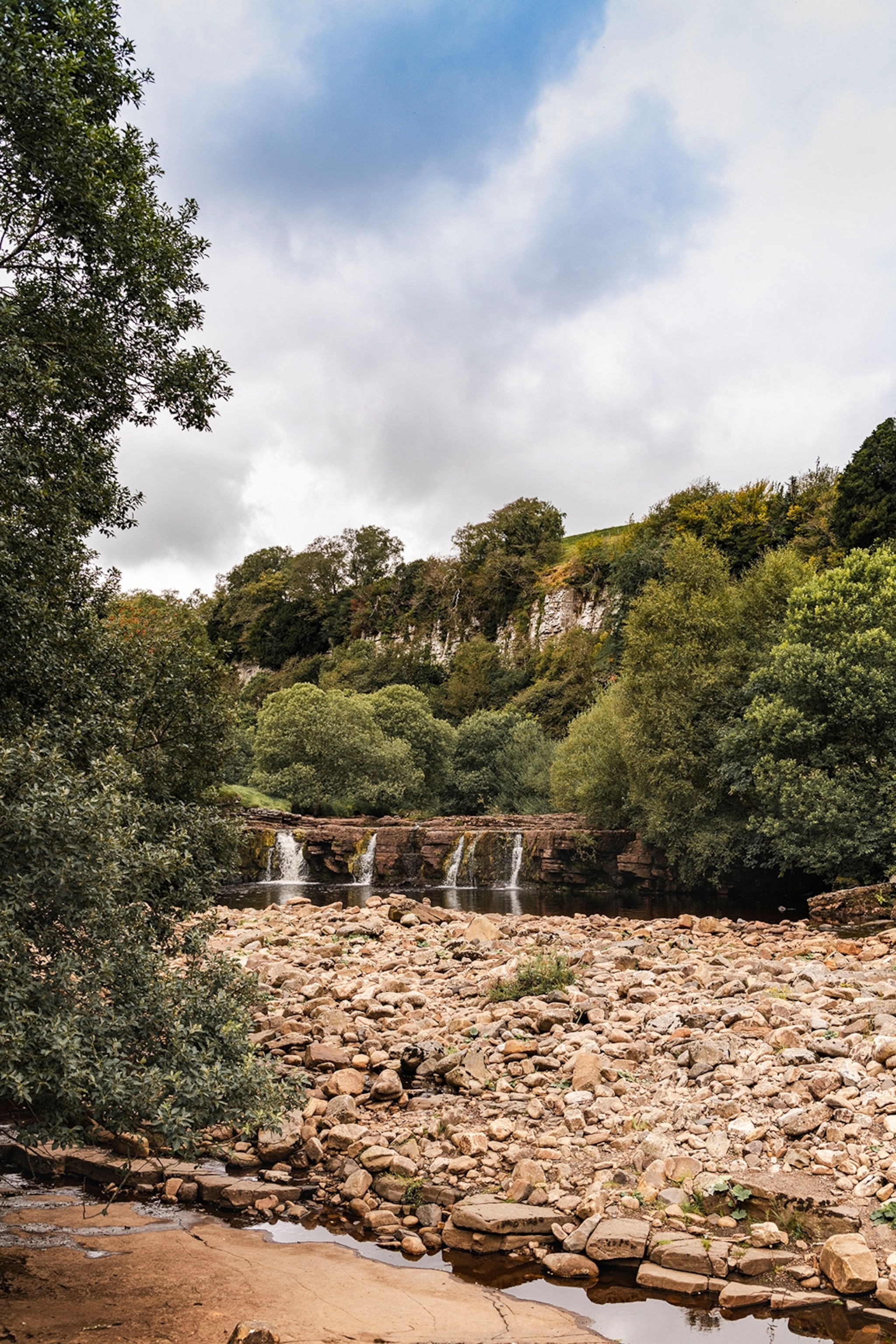
This section of the trail is a lifeline for remote settlements like Keld, an Upper Swaledale hamlet where hilltop farm conversions now welcome a global turnover of hikers. The transformation of dilapidated barns into guest rooms at places like Frith Lodge exemplifies the modern trail economy. Here, hikers from around the world share stories of their 192-mile ambition over communal dinners, finding inspiration in both the landscape and the shared human endurance required to cross it. The Dales offer a choice between high weather-beaten mining routes and serene riverside walks, reflecting the trail’s spirit of improvisation.
The Final Descent to the North Sea
The final chapters of the Coast to Coast narrative unfold across the North York Moors, a vast expanse of purple heather and ancient trackways. The terrain here is flatter but no less atmospheric, leading walkers through historic villages and past the skeletons of 19th-century industries. The goal is the picturesque fishing village of Robin Hood’s Bay, where the cliffs finally drop away to meet the restless grey waters of the North Sea. It is here that the ritual of the pebble is completed—a small stone from the Irish Sea meeting its counterpart in the east.
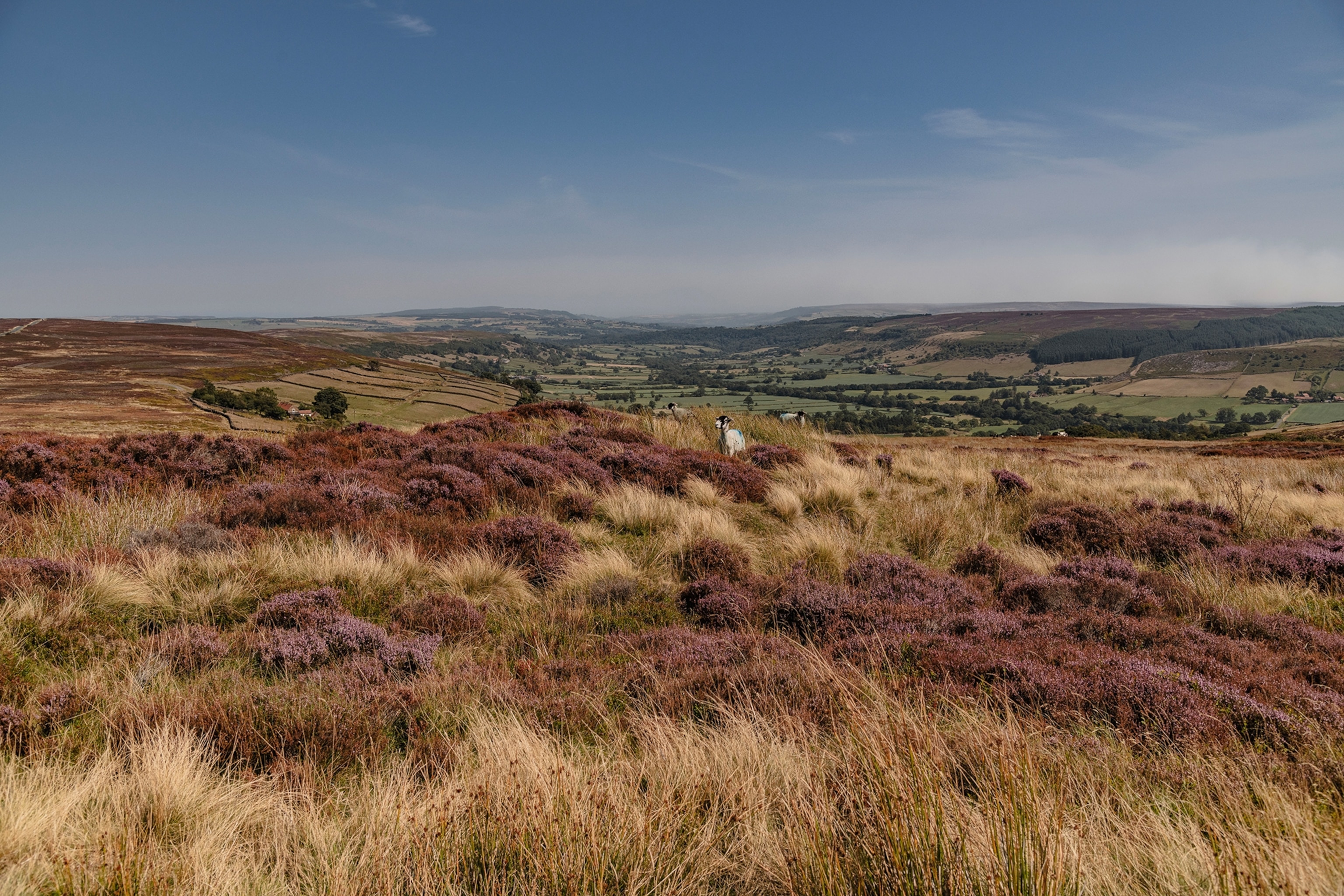
As the Coast to Coast path enters its new era as a National Trail, it remains a testament to the power of a single man’s vision. Whether tackled in its “beautiful, blistered entirety” or in scenic fragments, the route offers a rare “zone” where the distractions of modern life fall away. It is a walk through history, geology, and literature, where every step toward the eastern horizon is a step deeper into the soul of rural England.