In a media landscape where coming-of-age stories for young Black girls are few and far between, Forever arrives not just as a series, but as a balm. With its quiet nuance and deep emotional resonance, the Netflix drama helmed by Mara Brock Akil—offers a long-overdue celebration of Black girlhood in all its complexity. And like Moesha before it, Forever feels like it was made for those of us who have long waited to be seen.
A new reflection, decades in the making
For many who came of age in the ’90s, Brandy’s Moesha was more than just a sitcom it was a mirror. She was imaginative, ambitious, braided and bookish. And in one unforgettable episode, Maya Angelou’s guest appearance gave permission to dream big, to write, to be proud. It was one of the first times many Black girls saw themselves on screen not just as characters, but as creators.
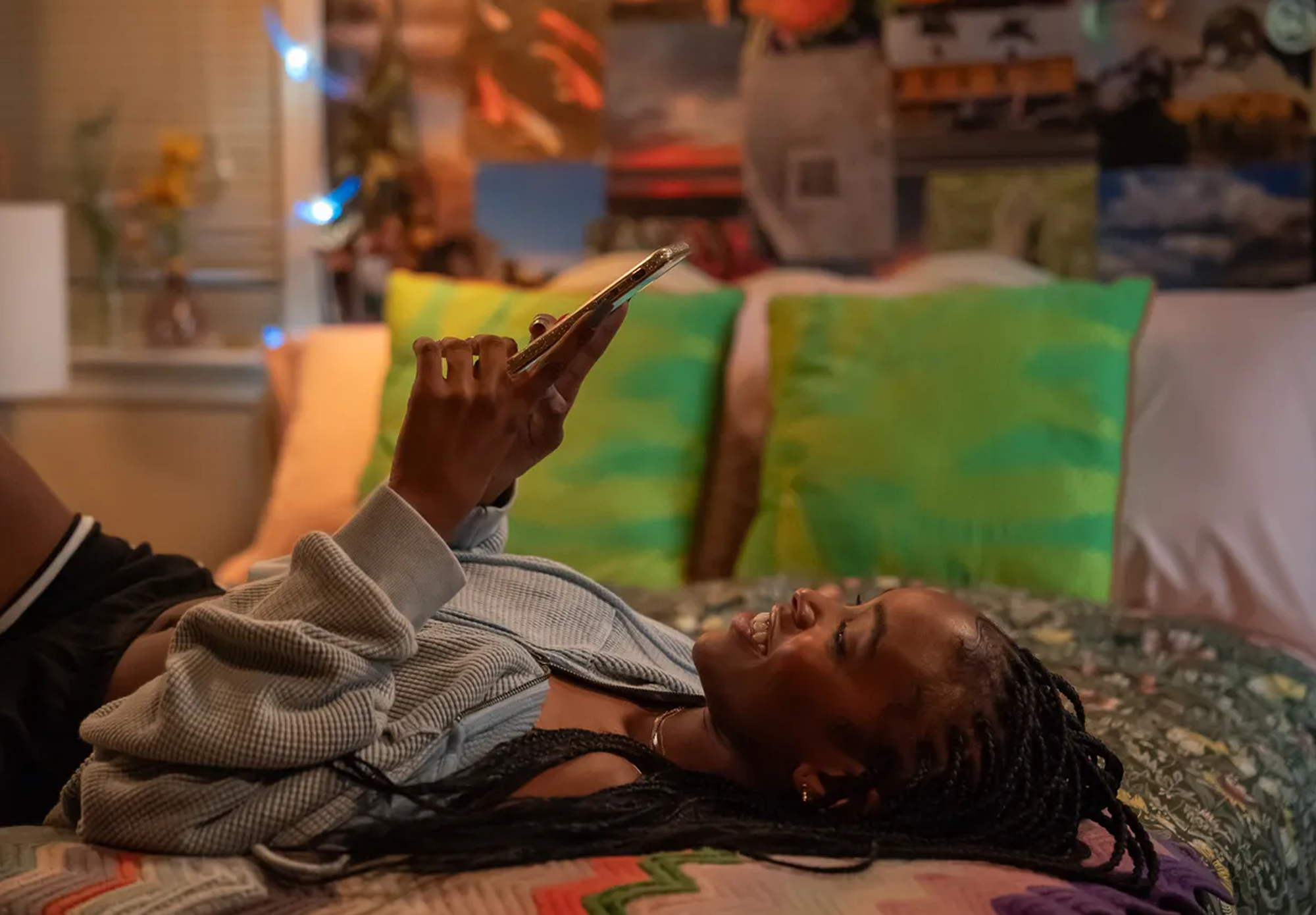
Nearly three decades later, that same mirror has reappeared—this time held up by Forever. In Lovie Simone’s Keisha, a smart, wounded, resilient girl from Los Angeles, the series captures something achingly familiar: the yearning, the mistakes, the longing to become. For Black women viewers, it’s more than nostalgia—it’s a return to a truth that’s rarely told with such care.
A story told with care and craft
Adapted from Judy Blume’s 1975 novel, Forever trades the book’s white suburban setting for South Los Angeles and a heroine whose Blackness is integral to her story—but never her only story. Keisha is not a stereotype, not a backdrop. She is the center. And in being so, she becomes the kind of character who makes space for others.
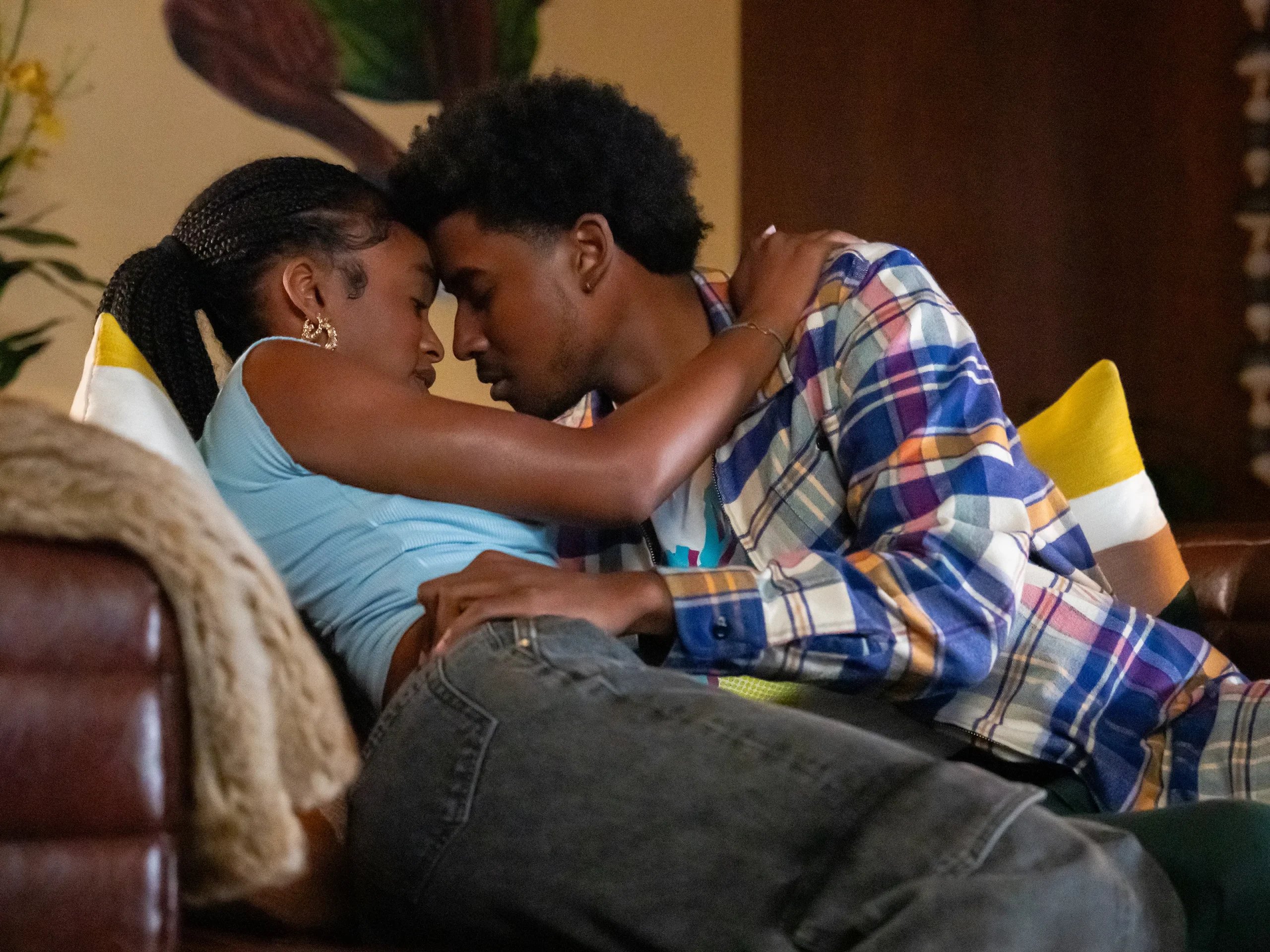
Her journey navigating a sex tape scandal, a blooming romance, and the pull between familial duty and personal freedom is portrayed with breathtaking nuance. There’s no melodrama, no exploitation. Instead, director Regina King and writer Mara Brock Akil allow Keisha to be soft, scared, brave, and bold. Her first time with Justin isn’t a cinematic climax it’s an honest, complicated encounter between two teenagers still learning the language of consent, intimacy, and emotional safety.
The right to be ordinary and extraordinary
In recent years, the screen has given us powerful portrayals of Black teens, but often through stories steeped in trauma or exceptionalism. Shows like Euphoria and Top Boy lean into extremes, leaving little room for the everyday. What makes Forever so special is how it insists that the everyday is worthy of exploration. The show grants Black girlhood the full spectrum of feeling—awkwardness, joy, desire, self-doubt—without needing to justify it through spectacle.
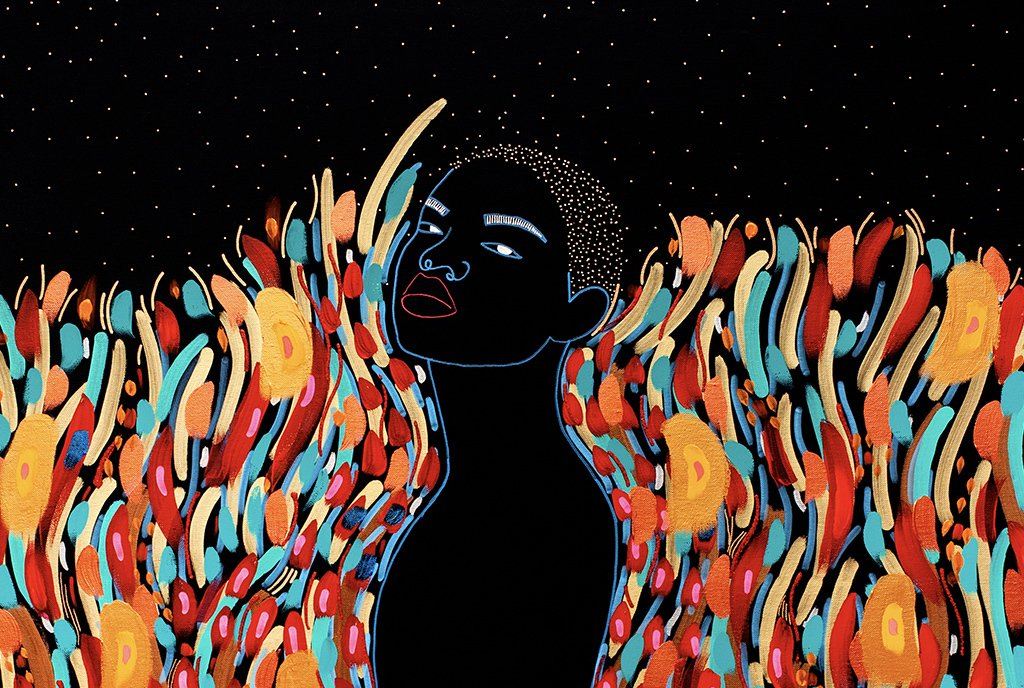
This insistence on ordinariness becomes revolutionary. Keisha is layered not because she’s flawless, but because she’s real. She changes hairstyles the way real girls do, wears nameplate necklaces, and carries both ambition and guilt on her shoulders. She feels familiar. And that familiarity is a form of representation that hits deeper than any perfectly styled lead or polished monologue.
A legacy in progress
With its soulful soundtrack, intimate cinematography, and standout performances, Forever feels destined to endure. It speaks to young viewers navigating the now, and to older ones reckoning with the past. It’s a spiritual descendant of Girlfriends, The Game, Being Mary Jane a testament to Mara Brock Akil’s unmatched ability to give voice to Black women at every stage of life.
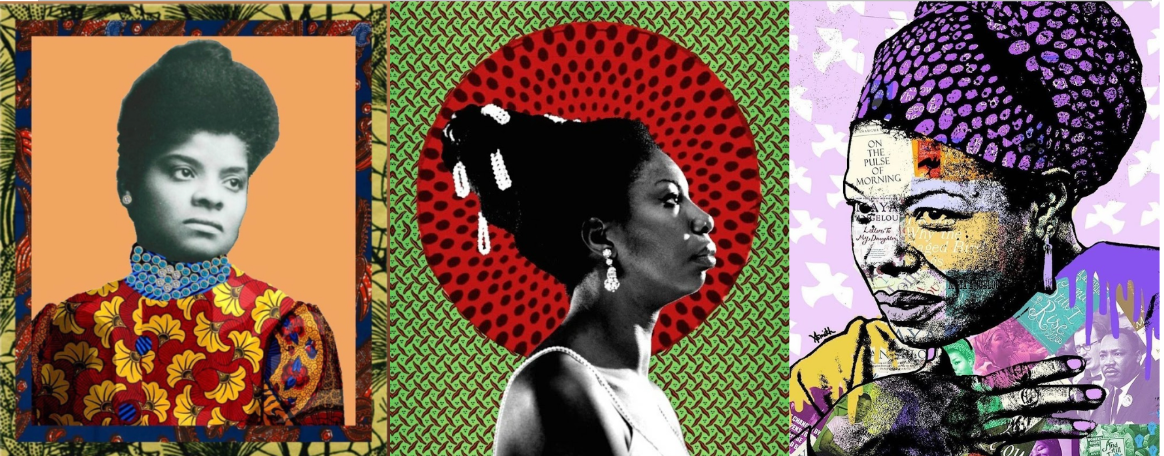
Behind the camera, the show is shaped by Black women at every level—costume designer Tanja Caldwell, casting director Kim Taylor-Coleman, and executive producer Regina King. Together, they’ve built something more than entertainment. They’ve built memory.
For a generation that grew up on Moesha, and for the ones finding Forever for the first time, the message is clear: Black girlhood is rich, worthy, and worthy of being chronicled. We don’t just deserve shows like Forever. We deserve many more.