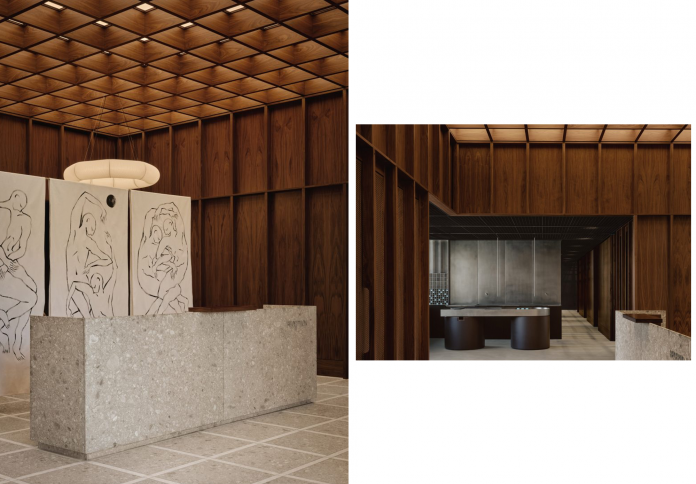
Atelier Carle, a Canadian architectural firm, has achieved a striking balance between clinical precision and aesthetic tranquility in its design for the OakV Medical Aesthetic Dermatology Clinic in Oakville, Ontario. The firm’s concept deliberately eschewed the cold, sterile feel often associated with medical facilities, opting instead for a warm, contemplative, and spa-like atmosphere. The design is characterized by the inventive use of a limited material palette—primarily wood, plaster, and natural stone—and a sophisticated approach to soft, indirect lighting. This intentional aesthetic choice reinforces the clinic’s identity, blending the rigorous standards of dermatology and medical aesthetics with a deeply human focus on comfort, relaxation, and overall wellness for its high-end clientele.
The Philosophy: Healing Through Atmosphere
The guiding principle behind Atelier Carle’s design was the belief that the environment should actively contribute to the patient’s sense of calm and well-being, effectively integrating the space into the healing process.

The architects deliberately moved away from the conventional iconography of medical clinics—such as bright, fluorescent lighting and highly glossy white surfaces—which can often heighten patient anxiety. Instead, they conceived OakV as a sanctuary. The design focuses on softness, fluidity, and natural textures, creating an atmosphere that is immediately calming upon entry. This philosophical approach is particularly relevant for an aesthetic dermatology clinic, where the patient experience is as crucial as the medical treatment itself. By minimizing visual clutter and maximizing sensory comfort, the space is designed to reduce stress and enhance the feeling of privacy and exclusivity.
The Material Palette: Warmth and Texture
A key element of the clinic’s success lies in the restrained yet rich material selection, which brings an organic warmth and tactile quality to the sterile medical setting.

Atelier Carle primarily utilized a trio of materials: white oak wood, textured white plaster, and light-toned, matte natural stone. The white oak is used extensively for millwork, wall cladding, and the custom reception desk, providing a consistent, grounding element throughout the space. The walls are finished in a subtle, textured plaster, which reflects light softly and avoids the harsh glare of painted drywall. These warm, layered textures are contrasted by the monolithic stone elements used in the waiting areas and select treatment room surfaces. This limited, earth-toned palette ensures visual coherence while providing a sophisticated, tactile backdrop that feels more akin to a high-end residential or hospitality space than a clinic.
Spatial Flow and Lighting Design
The floor plan was conceived to enhance the patient journey, utilizing careful spatial segmentation and a mastery of indirect, natural lighting.

The clinic’s layout is organized around a curvilinear flow, avoiding sharp corners and creating a sense of smooth, intuitive movement from the reception area to the private consultation and treatment rooms. This fluid organization naturally guides the patient through the space, reinforcing the calming aesthetic. Critically, the lighting strategy is entirely focused on soft, diffuse illumination. Harsh overhead lights are replaced by recessed coves, indirect wall washers, and integrated lighting within the millwork. Where possible, natural light is filtered through translucent panels or strategically placed windows. This deliberate lighting scheme is vital in a dermatology context, creating an environment that is flattering and non-harsh, essential for patient comfort and consultation accuracy.
The Result: Redefining Medical Aesthetics
The finished OakV Medical Aesthetic Dermatology Clinic represents a compelling case study in how thoughtful, human-centered design can elevate and redefine specialized medical spaces.

The successful integration of architectural excellence with functional requirements creates a space where advanced medical procedures take place in an environment of serene luxury. The clinic’s design subtly communicates competence and high standards, not through clinical sterility, but through meticulous attention to detail and material quality. It proves that medical facilities, especially those in the aesthetic sector, can and should prioritize emotional and sensory comfort alongside clinical rigor. Atelier Carle’s work provides a compelling new blueprint for the design of future healthcare environments that aim to treat the whole person, not just the ailment.