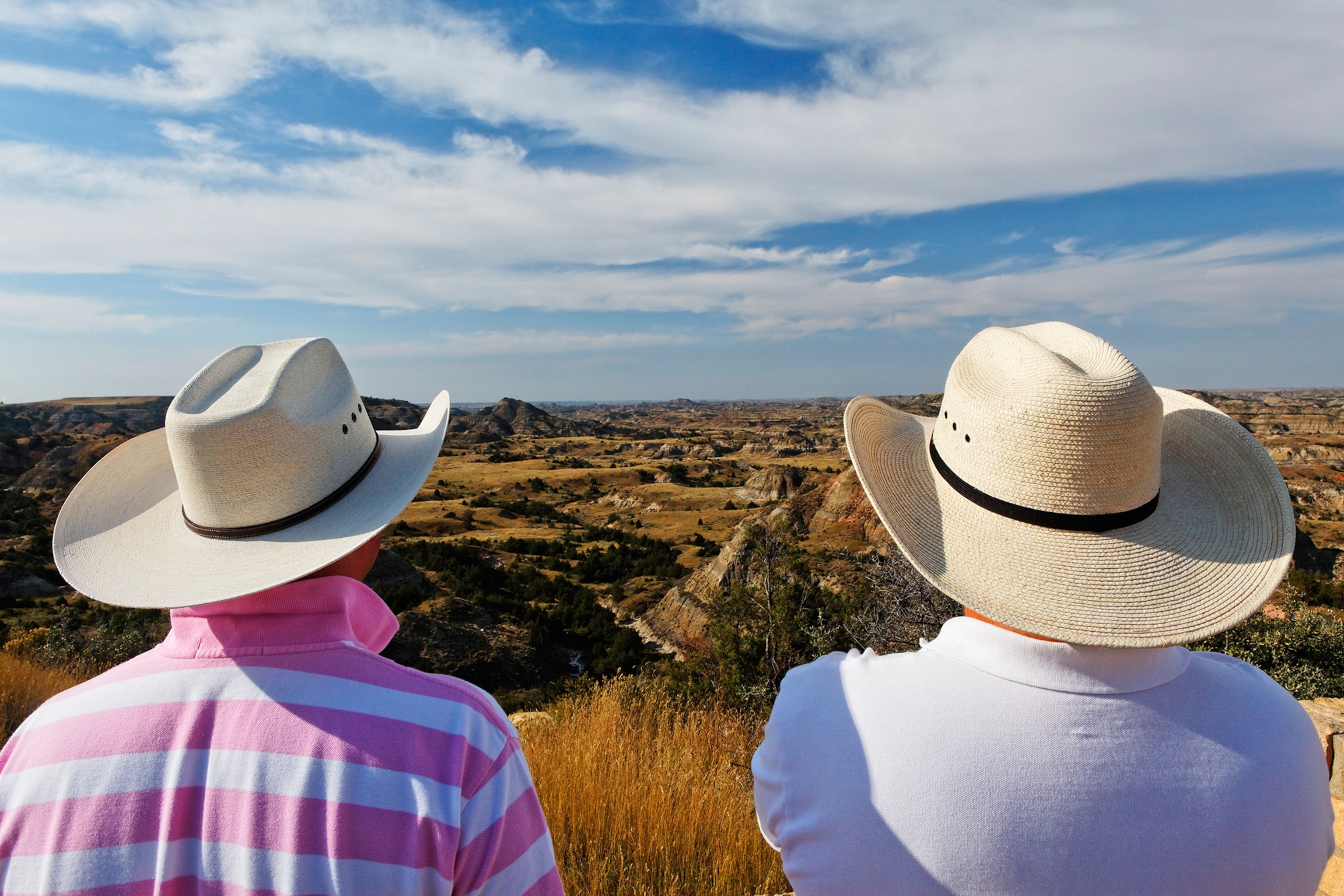
The North Dakota Badlands, primarily preserved within the three units of Theodore Roosevelt National Park, offer a starkly beautiful, often-overlooked landscape that is vital to the American conservation narrative. Defined by millions of years of wind and water erosion, this region is a dramatic mosaic of sculpted buttes, colorful petrified wood, and deep, winding canyons. Far more than just geological spectacle, the Badlands serve as a powerful testament to the influence of the wilderness on the American spirit, specifically inspiring President Theodore Roosevelt’s commitment to conservation. The area is an essential destination for travelers seeking solitude, wildlife encounters—including bison and wild horses—and a deep connection to the history of the American West, all experienced under the vast, unpolluted skies of the Great Plains.
The Geological Masterpiece: Color and Erosion
The defining characteristic of the North Dakota Badlands is its unique and colorful geology, which is a continuous, living display of erosion and sedimentation.
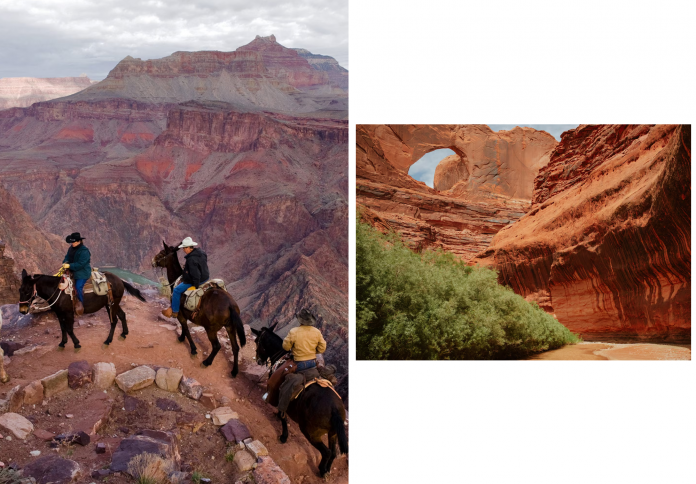
The landscape is a complex stack of sedimentary layers, visible in the banded hills and buttes. These layers are painted with striking colors—deep reds, purples, and browns—due to oxidized iron compounds and seams of carbonized coal that occasionally burn, baking the clay layers into brick-like colors. The dramatic sculpting is primarily the result of the Little Missouri River and its tributaries, which have relentlessly carved the soft rock over millions of years, creating the iconic, highly-eroded peaks and valleys. This geological process is so pronounced that every visit offers a slightly different, dynamic view, making the Badlands a vast, open-air laboratory.
The Roosevelt Legacy: Conservation and Wilderness
Theodore Roosevelt National Park is unique because the land’s formation is inextricably linked to the personal transformation and political future of the 26th U.S. President, Theodore Roosevelt.
Roosevelt first came to this area in 1883 to hunt bison but returned shortly after to ranch, deeply immersing himself in the rugged lifestyle following personal tragedy. He credited the profound solitude and harsh beauty of the Badlands with revitalizing his spirit and sharpening his commitment to conservation. His experience here directly influenced his policies that led to the establishment of the U.S. National Park Service and the protection of millions of acres of public lands. Visitors can explore Roosevelt’s restored cabin and historic sites within the park, walking the same paths that inspired one of America’s most influential environmentalists.
Wildlife Encounters: Bison, Horses, and Prairie Dogs
The National Park serves as a crucial refuge for a diverse range of plains wildlife, offering some of the most accessible and intimate viewing opportunities in the American West.
The Badlands are home to large, free-roaming herds of bison and wild horses, descendants of stock brought in by the local ranches. Driving the scenic loop roads often leads to spectacular, close encounters with these iconic species. The landscape is also dotted with vast prairie dog towns, whose inhabitants provide constant entertainment and serve as a vital food source for birds of prey and coyotes. The park’s managed ecosystem ensures that the wildlife flourishes, providing a powerful demonstration of the resilience of the Great Plains ecology when protected from modern development.
Adventure and Solitude: Hiking and Paddling
The park offers varied opportunities for active exploration, catering to those seeking long-distance solitude and those preferring shorter, scenic drives and hikes.
The multiple units of the park—the North, South, and Elkhorn Ranch units—provide distinct experiences. The South Unit offers well-maintained scenic drives and accessible loop trails, perfect for day trips. The North Unit provides a more remote and quieter experience, with trails leading into deeper canyons and offering expansive views of the Little Missouri River. For the truly adventurous, the Maah Daah Hey Trail, a nearly 150-mile-long non-motorized trail, winds through the Badlands, offering opportunities for multi-day hiking, biking, and horseback riding. This vast network of trails allows visitors to choose their own level of isolation and engagement with the wild beauty of the Badlands.