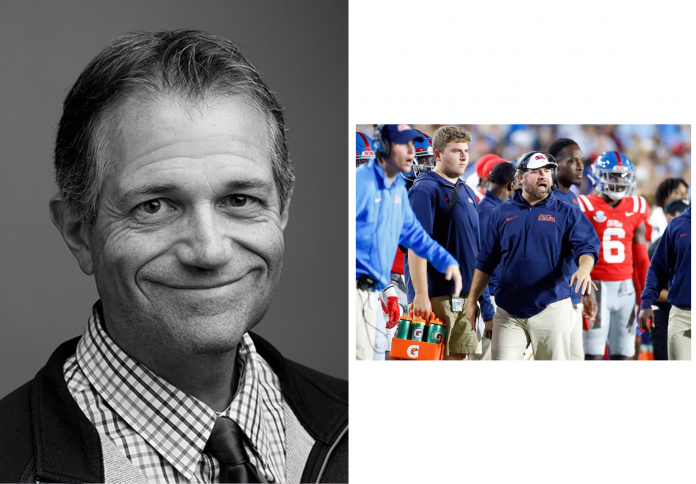
The sudden and chaotic departure of Lane Kiffin to LSU propelled Pete Golding from defensive coordinator to head coach of the Ole Miss Rebels in a matter of hours, positioning him as the unlikely, yet deeply necessary, stabilizer for a program facing its most historic moment. Golding, 41, who had spent three years building a formidable defense in Oxford after a successful tenure at Alabama, was not the subject of an elaborate national search; his hiring was a strategic strike for continuity. His immediate promotion was a calculated effort by the Ole Miss administration to stem the potential exodus of players via the transfer portal and rally the team for its first-ever College Football Playoff (CFP) appearance. The move immediately recast Golding as the steady, familiar face needed to navigate the emotional turmoil left by Kiffin’s abrupt exit, tasking him with maintaining the Rebels’ momentum while forging his own identity.
The Swift Transition: A Focus on Stability
Pete Golding’s promotion was less about an external search for a new leader and more about an internal desire for immediate stability and a familial presence in the locker room.

The decision to elevate Golding to the permanent head coaching role, rather than appoint an interim coach, was a clear and assertive message from Athletic Director Keith Carter: Ole Miss was moving forward instantly. Golding’s loyalty, coupled with his deep ties to the program—including the fact that his wife is reportedly a strong “die-hard Ole Miss person”—made him the ideal candidate to steady a ship rocking from Kiffin’s abandonment. His immediate acceptance of the role, even as the team prepared for its historic CFP bid, demonstrated a commitment that resonated deeply with players and staff. This move was crucial not only for morale but for recruiting, ensuring that future commits saw a clear, familiar direction for the program rather than uncertainty.
Golding has the immediate challenge of transitioning from being a coordinator focused solely on the defense to being the CEO of the entire program, managing all coaching hires, recruiting efforts, and the public profile of Ole Miss football.
The Defensive Identity: A Break from Kiffin’s Offensive Focus
Golding’s background as a defensive mastermind suggests a potential shift in the program’s identity, moving away from Kiffin’s offense-first philosophy toward a more balanced, hard-nosed approach.

Golding’s résumé is built on defensive excellence. During his time as the defensive coordinator at Alabama under Nick Saban, he was instrumental in developing elite defensive talent and coordinating schemes that helped the Crimson Tide win a National Championship. At Ole Miss, he inherited a defense that had previously struggled and transformed it into a respectable unit capable of winning tough SEC games. The promotion signals a strategic pivot; while the Rebels’ offense under Kiffin was explosive, the defense was often viewed as the program’s Achilles’ heel. Under Golding, there is an expectation of a renewed commitment to establishing a dominant, stifling defense—a requirement for competing at the highest level of the College Football Playoff.
This philosophical shift will be closely watched by fans and analysts alike, as the new coach attempts to blend his preferred defensive identity with the high-octane offensive talent he inherited from his predecessor.
The Immediate Crisis: The Transfer Portal and Playoff Focus
The greatest test of Golding’s early tenure is managing the team’s emotional state and preventing a mass exodus of talent just weeks before the most important games in program history.

Lane Kiffin’s departure opened the 30-day transfer portal window for all Ole Miss players, creating an immediate and existential threat to the roster. Golding’s presence in the head coach seat is the most powerful deterrent against player attrition. His strong existing relationships with key defensive players, particularly, will be crucial in convincing talent to stay and finish what they started. The immediate task for Golding is unprecedented: he must act as a recruiting coordinator to his current roster while simultaneously preparing the team for a CFP first-round matchup. This requires an incredible level of emotional intelligence and organizational acumen under intense national scrutiny.
The CFP appearance, though a gift from Kiffin’s successful season, is Golding’s first chance to make an undeniable statement, showing the college football world that the Rebels are not a one-man show but a stable program ready for sustained success.
The Road Ahead: Forging a New Legacy in Oxford
Pete Golding inherits a program in an enviable position—ranked No. 6 in the country—but now faces the immense pressure of forging his own legacy in the shadow of his predecessor.

The long-term success of Golding will depend on his ability to retain the existing offensive staff, continue to recruit elite talent, and ultimately prove he can win big games as the final decision-maker. Unlike Kiffin, who arrived with a reputation as a notorious enfant terrible, Golding brings a reputation defined by hard work, defensive integrity, and loyalty. The Ole Miss fanbase, reeling from Kiffin’s betrayal, is likely to embrace this narrative of stability and commitment. The story of Pete Golding is now one of the loyal assistant stepping up when the star player walked out, a narrative that could galvanize the program and establish him as the right man to lead the Rebels into the expanded playoff era.