Tanzania stands as the undisputed heart of the African safari experience, boasting a collection of National Parks and game reserves that represent the continent’s most iconic and biodiverse wildlife habitats. However, selecting the right park is critical, as each offers a vastly different experience—from the migratory spectacle of the Serengeti to the concentrated wildlife drama of the Ngorongoro Crater and the remote, raw wilderness of the south. Whether a traveler prioritizes intimate, walking safaris, climbing the continent’s highest peak, or witnessing the Great Migration, Tanzania provides a specialized answer. Understanding the unique ecosystem, accessibility, and primary wildlife offering of each major park is the first step toward crafting the definitive, unforgettable East African journey.
The Serengeti: The Epicenter of the Great Migration
The Serengeti National Park is the flagship of the Tanzanian safari experience, famous globally for its endless plains and the monumental annual spectacle of the Great Migration.
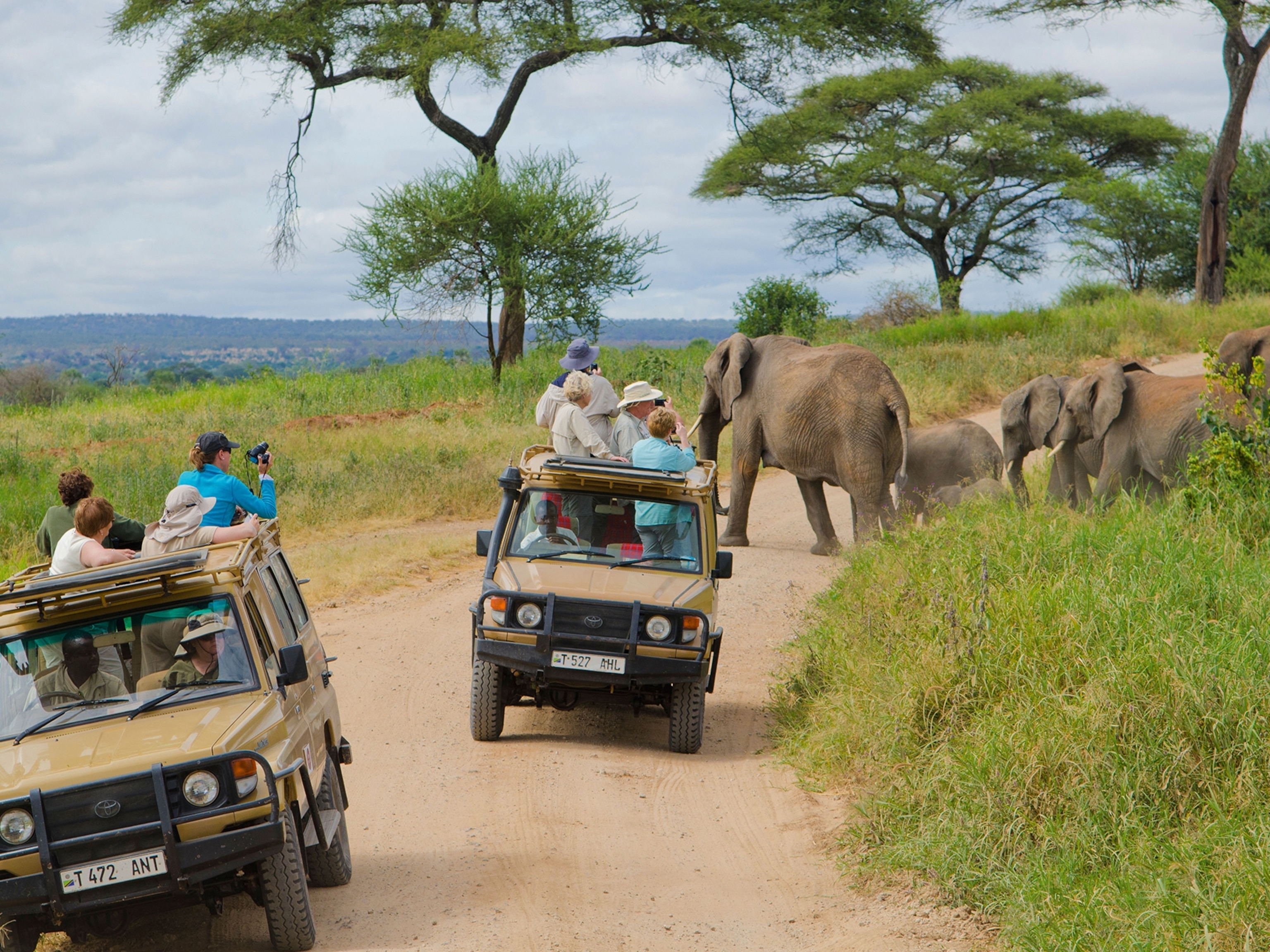
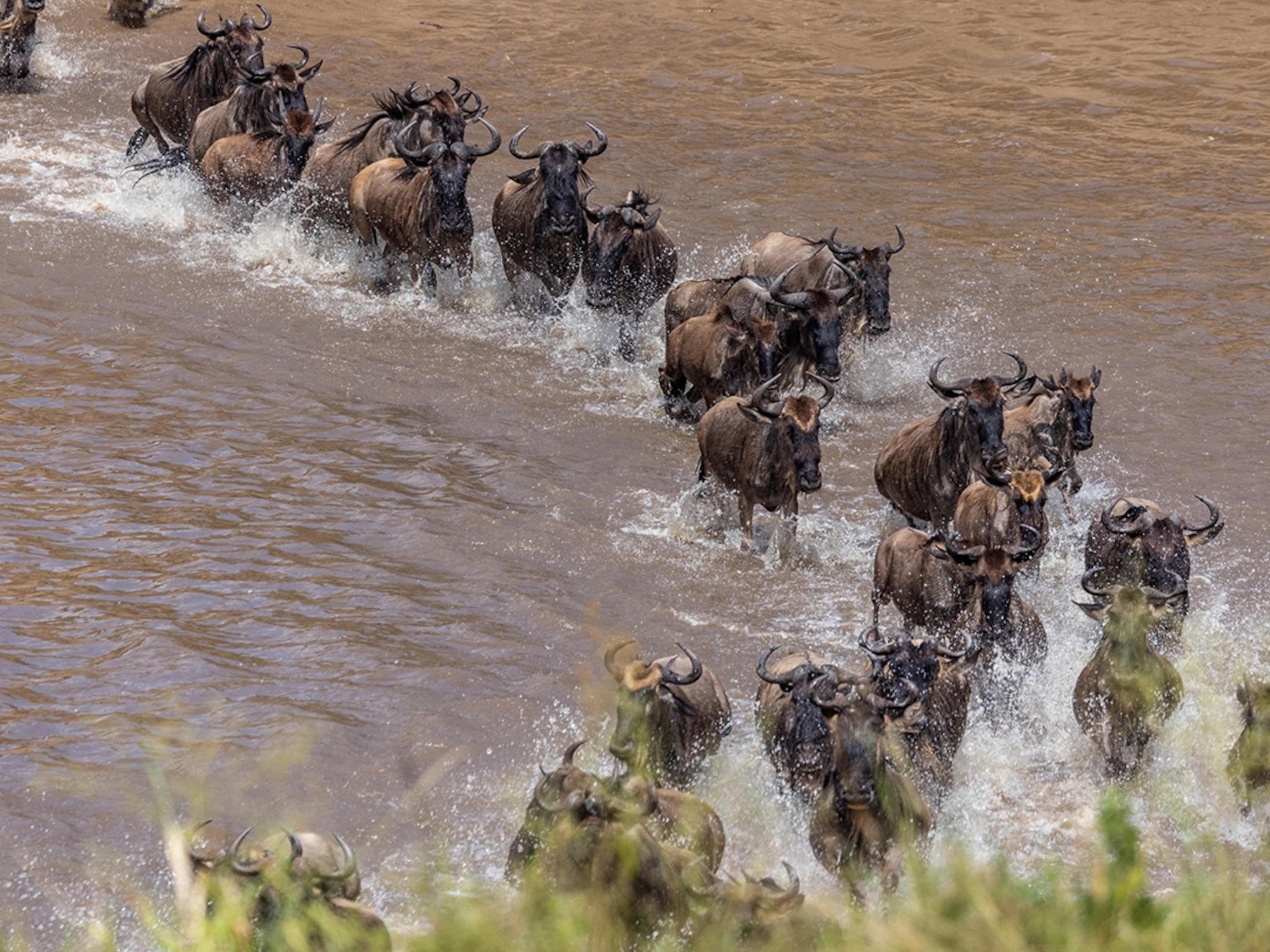
The park’s defining feature is its vast, open savanna, which allows for dramatic, wide-ranging game drives and offers unparalleled visibility. Its primary draw is the Great Migration, the annual movement of over 1.5 million wildebeest and zebra in search of greener pastures. For travelers prioritizing this epic event—the river crossings, the mass herds, and the constant predatory drama—the Serengeti is non-negotiable. The park is best suited for those who desire a classic, expansive safari experience with a focus on high-density predator action, particularly lions and cheetahs that follow the migrating herds.
Ngorongoro Conservation Area: Concentrated Wildlife Drama
Adjacent to the Serengeti, the Ngorongoro Conservation Area offers a wildlife experience that is concentrated and utterly unique, centered around the spectacular, self-contained Ngorongoro Crater.
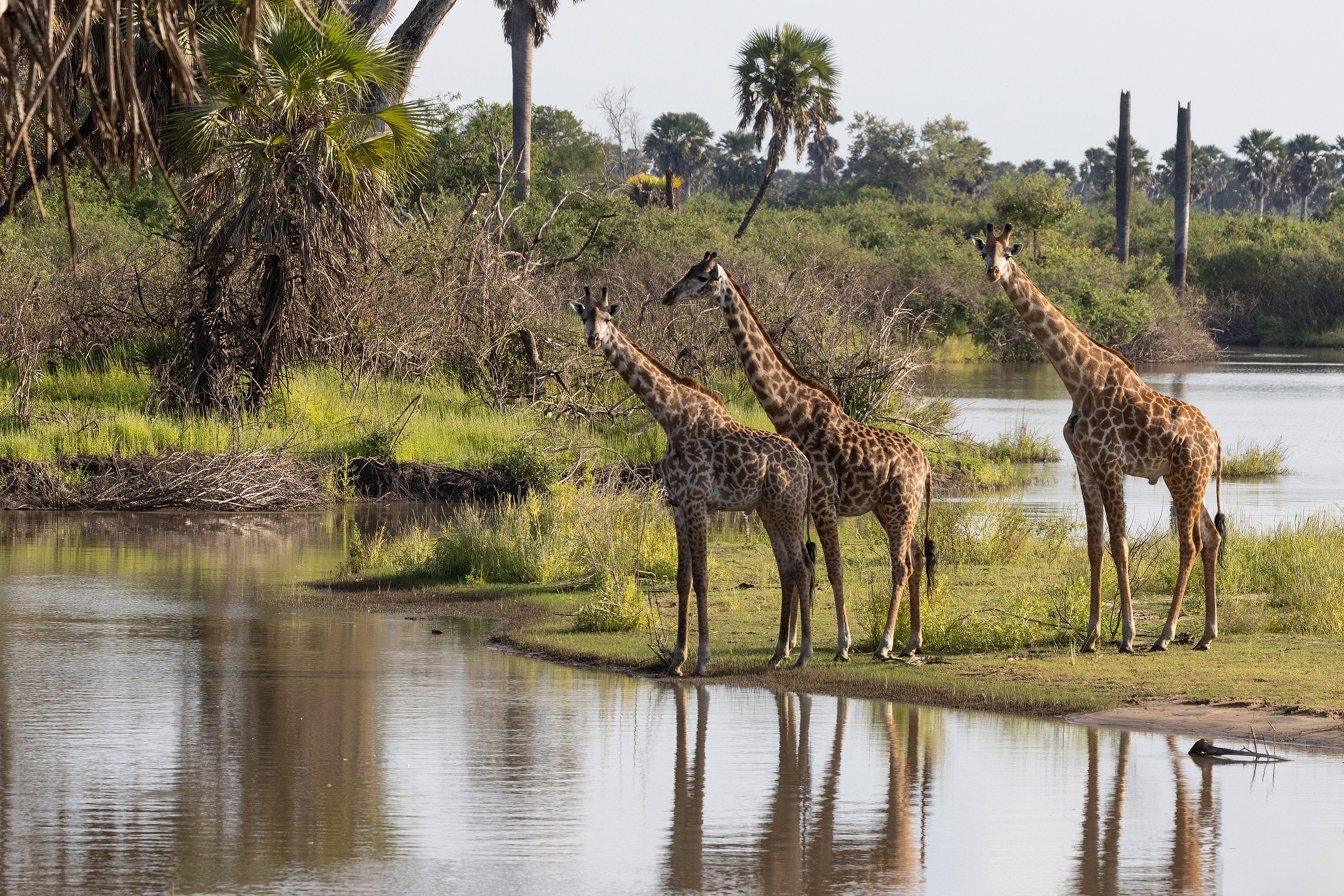
The Crater is the world’s largest intact caldera and serves as a natural enclosure, holding an estimated 25,000 large animals in its 100-square-mile floor. This concentrated environment guarantees spectacular game viewing, often referred to as a “guaranteed Big Five” experience. It is one of the most reliable places in Tanzania to spot the endangered Black Rhino. This park is ideal for travelers with limited time who prioritize seeing a high volume of diverse wildlife in a single day, offering an intensely intimate and dramatic viewing experience unparalleled on the continent.
Tarangire National Park: The Land of Giants and Baobabs
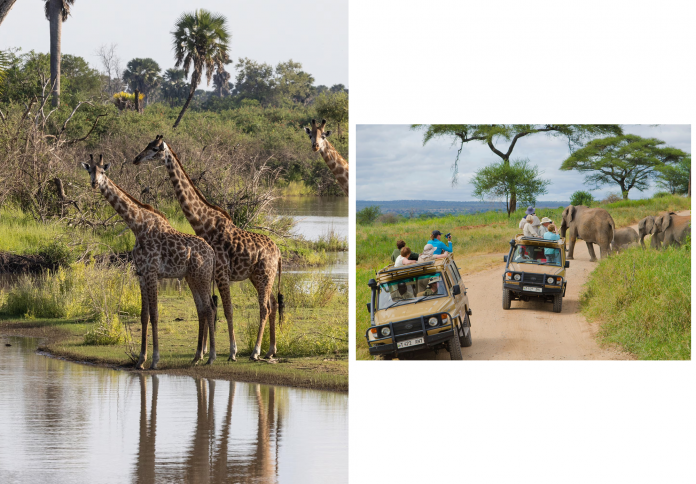
For those seeking a more specialized experience defined by magnificent landscapes, massive herds of elephants, and fewer crowds, Tarangire offers a compelling alternative to its northern neighbors.
Tarangire is famous for its iconic baobab trees—the massive, sculptural “upside-down trees”—that dominate the rolling savanna. The park is home to Tanzania’s largest population of elephants, with herds often numbering in the hundreds, particularly during the dry season when they congregate around the Tarangire River. This park is perfect for the traveler who appreciates unique photography opportunities, birdwatching (boasting over 550 bird species), and a more relaxed, less-congested game-viewing environment, focusing on scenic beauty and immense herds.
Ruaha and Katavi: The Remote, Wild Frontier
For the discerning safari-goer who prioritizes raw wilderness, isolation, and an emphasis on walking and fly-camping experiences, the remote southern parks offer a truly untamed adventure.
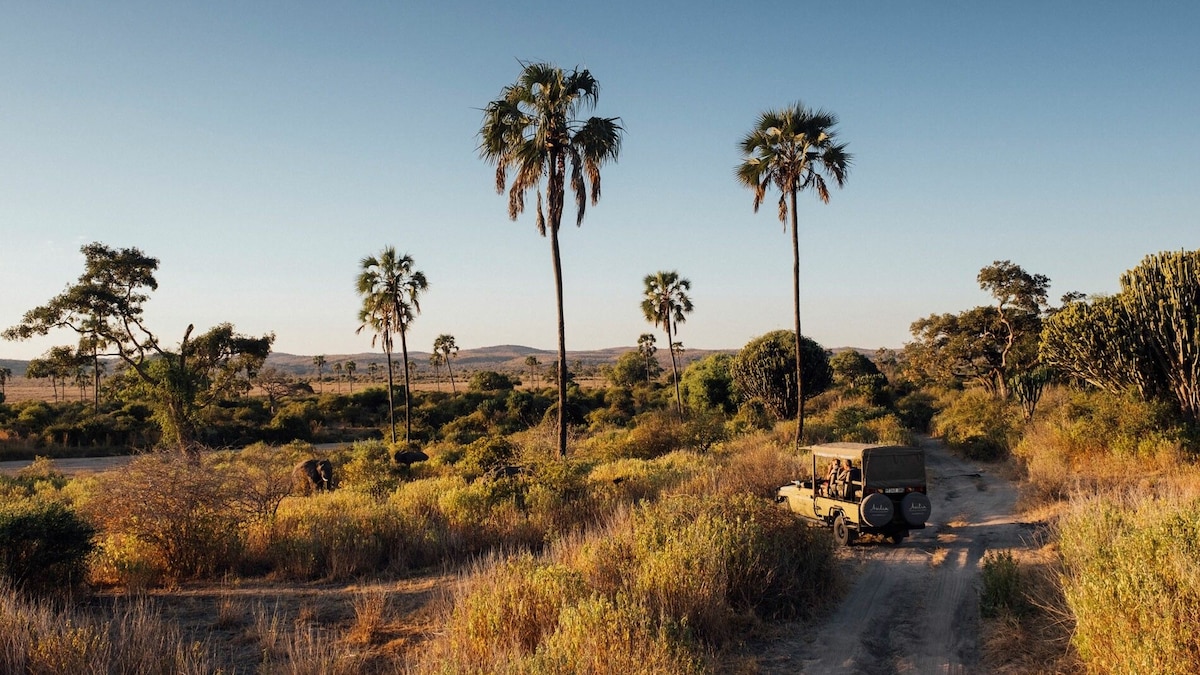
Ruaha National Park, Tanzania’s largest park, and Katavi National Park are defined by their minimal infrastructure, rugged terrain, and the opportunity for a truly exclusive, off-the-beaten-path safari. They offer excellent walking safaris, allowing intimate encounters with the environment, and are known for their large herds of buffalo, significant populations of wild dogs, and hippos packed into shrinking riverbeds during the dry season. These parks appeal to experienced travelers who value high-end, specialized guiding, immersion in pristine wilderness, and an escape from the busy tourism circuits of the north.