Uluru-Kata Tjuta National Park, located in the remote heart of Australia’s Northern Territory, is a destination where geological spectacle meets profound Aboriginal spirituality. Dominated by the colossal sandstone monolith Uluru and the spectacular domes of Kata Tjuta (The Olgas), the park is far more than a scenic wonder; it is a vital, living cultural landscape. The essence of the experience lies in understanding its spiritual significance to the Anangu people, the traditional owners who have stewarded this land for tens of thousands of years. The focus of the journey has shifted entirely away from climbing to one of respectful, educational immersion, allowing travelers to connect with the ancient stories of the Tjukurpa (Dreaming) that are intrinsically woven into the very fabric of the rock itself.
Uluru: A Geological and Spiritual Monolith
Uluru, formerly known as Ayers Rock, is arguably Australia’s most recognizable natural landmark, yet its significance extends deep into the geological and spiritual history of the continent.
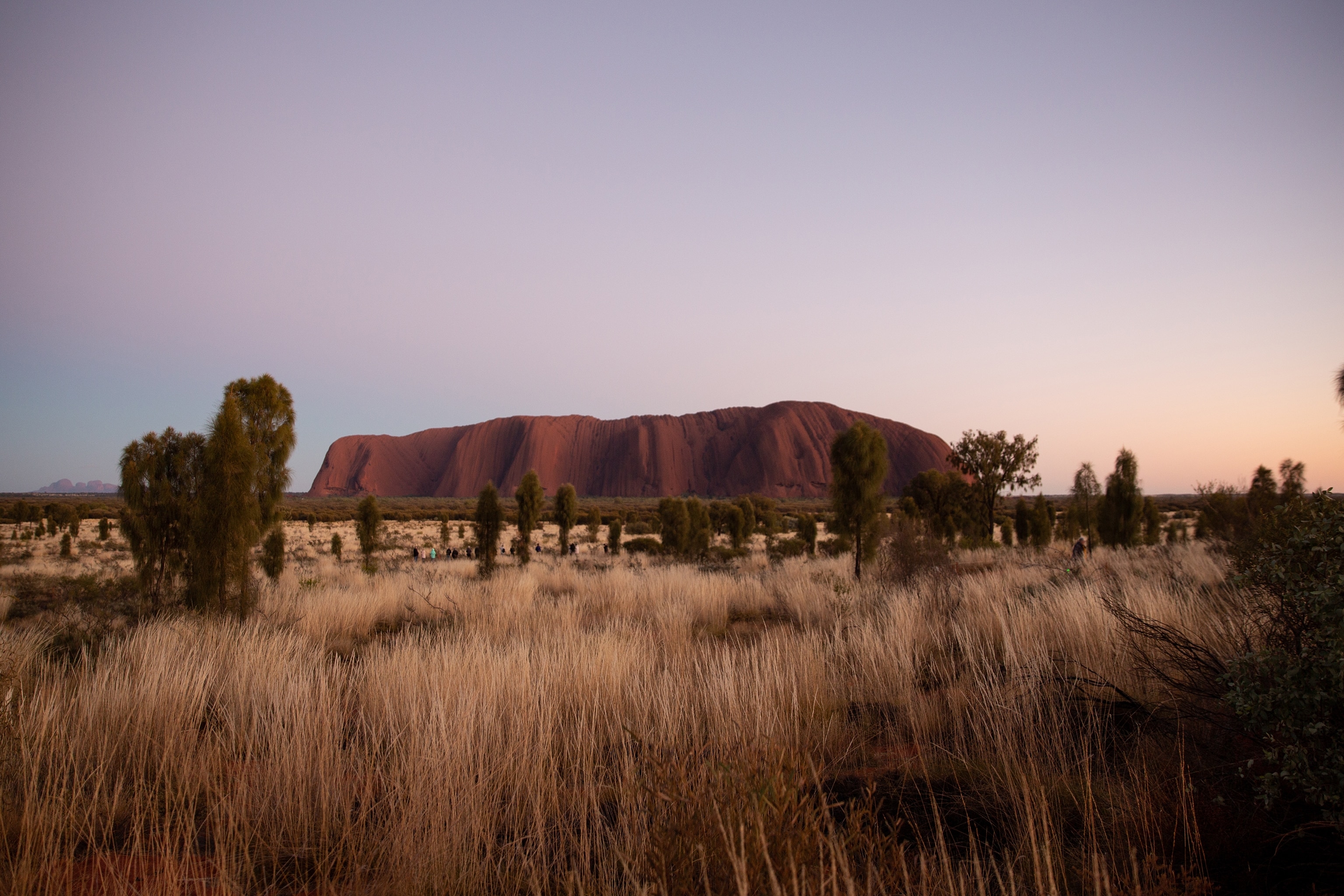
Geologically, Uluru is a massive arkose sandstone inselberg—a hard rock island that rises abruptly from the surrounding plain. It is a single, continuous piece of rock, with the majority of its bulk lying beneath the desert surface. Its vibrant red color is due to the oxidation (rusting) of its iron content. Spiritually, Uluru is the focal point of the Anangu Tjukurpa (Dreaming) stories, which describe the creation of the world and its moral codes. The Anangu believe that the rock holds the presence of the ancestral beings who shaped it, making every fissure, cave, and ripple a sacred site tied to specific creation stories.
The profound experience of visiting Uluru now centers on observing its color changes at sunrise and sunset, when the low angle of the sun dramatically shifts the rock’s hues from deep ochre to fiery scarlet and purple. More importantly, it involves respectful base-walks led by Anangu guides, offering travelers the only appropriate way to appreciate the site while learning about the sacred nature of various sections, which are not to be photographed out of respect for the owners’ culture.
Kata Tjuta: The Domes and the Wind-Carved Majesty
Located approximately 25 miles west of Uluru, Kata Tjuta (meaning “many heads”) is a geological formation of 36 steep-sided, rounded domes, equally sacred to the Anangu people.

Geologically, Kata Tjuta is composed of a different rock type—a conglomerate of pebbles and boulders cemented together. The domes have been sculpted by wind and rain over eons, creating deeply carved valleys and gorges. The sheer scale and number of the domes create a powerful, silent, and mysterious landscape that contrasts with the singular dominance of Uluru. The name Kata Tjuta reflects its appearance as a cluster of distinct, colossal heads rising from the desert floor.
Culturally, Kata Tjuta is an extremely important site for Anangu men’s ceremonies and Tjukurpa stories, some of which are too sacred to be shared with the uninitiated. Visitors are encouraged to hike trails like the Valley of the Winds and the Walpa Gorge, which offer stunning perspectives between the giant domes. The experience here is more intimate and enclosed than at Uluru, allowing for a deep appreciation of the relentless power of erosion and the sanctity of the secluded valleys.
The Ethics of Travel: From Climbing to Respectful Engagement
The National Park experience has been fundamentally transformed by the closure of the Uluru climb in 2019, marking a historic shift toward cultural preservation and respect for the Anangu people’s wishes.

The closure was a pivotal moment, responding to the Anangu people’s long-held belief that the climb was a violation of the site’s spiritual importance. Today, the focus is entirely on cultural learning and stewardship. The park offers extensive cultural centers and guided interpretive walks, encouraging visitors to understand the Tjukurpa—the Anangu law, morality, and cosmology—which governs their relationship with the land. Travelers are now active participants in the preservation of this heritage, engaging in activities that emphasize listening, learning, and acknowledging the spiritual weight of the landscape rather than conquering it physically.
Essential Planning: Climate and Accessibility
Due to its remote location and extreme desert climate, visiting Uluru-Kata Tjuta requires careful planning to ensure safety and maximum enjoyment of the experience.
The park is located in the Red Centre, meaning temperatures can soar well during the summer months (December to February). The ideal time to visit is during the cooler winter months (May to September), when daytime temperatures are mild, although nights can be cold. Accessibility is managed primarily through the nearby resort town of Yulara, which offers all necessary accommodation and transport services. Visitors rely on organized tours, shuttles, or rented vehicles to navigate the 300+ miles from Alice Springs, emphasizing the need for prepared logistics when engaging with this profound, remote landscape.