The fifth and final season of Stranger Things is not merely a television event; it is a financial and cultural phenomenon, concluding with a price tag that shatters streaming records. As the narrative stakes reach their apocalyptic peak—with Hawkins ripped open by the Upside Down and the final battle with Vecna imminent—so too did the salaries of its central players. This season’s unprecedented, staggered release schedule has been designed to maximize suspense and cultural conversation, while the cast’s renegotiated contracts secured their status as some of the highest-paid actors in television history. At the center of this financial matrix sits Millie Bobby Brown, whose lucrative, separate deal with Netflix cements her place not just as the star of the show, but as the wealthiest actor in the entire ensemble, building an empire that extends far beyond the confines of the supernatural series.
The Three-Part Premiere: A Strategic Release Blueprint
For its grand finale, Netflix departed from its traditional all-at-once binge model, opting instead for a deliberate, three-part release strategy to sustain audience engagement across the holiday season.

The strategic rollout began with Volume 1 on November 26, 2025, dropping the first four episodes just ahead of the Thanksgiving holiday in the United States. Following this, Volume 2 arrived on Christmas Day, December 25, 2025, delivering episodes five through seven as a holiday viewing event. The entire series culminates with a massive, feature-length finale, Episode 8, which premiered on New Year’s Eve, December 31, 2025, aiming for a shared global viewing moment to ring in the New Year.
Crucially, the episodes for all three volumes were released at a primetime hour: 8 p.m. ET / 5 p.m. PT on their respective drop dates. This timing is a notable deviation from Netflix’s typical practice of releasing new content at midnight Pacific Time, underscoring the final season’s importance as a television event that demanded a synchronized, shared premiere experience for fans across the United States.
The Veteran Tier: Ryder and Harbour’s Million-Dollar Paydays
The original adult stars, Winona Ryder and David Harbour, negotiated deals that reflected both their star power and their essential roles in anchoring the emotional core of the series.

Ryder and Harbour reportedly secured contracts that saw them earning approximately $1.2 million per episode for the eight-episode final season. This equates to a staggering total of roughly $9.5 million each for their work. This figure marks an astronomical increase from their original paychecks; Ryder, the biggest name at the series’ inception, started with a salary of $100,000 per episode, while Harbour began at $80,000. Their ability to reach a seven-figure per-episode salary for the final chapter highlights the show’s massive success and their own elevated status as bona fide television royalty.
The equal footing of their final salaries is a testament to the collaborative, ensemble nature of the production, ensuring that the veteran leads, whose characters—Joyce Byers and Jim Hopper—have driven the narrative for nearly a decade, were compensated at the highest level of prestige television.
The Young Core: A Leap into the Millionaire’s Club
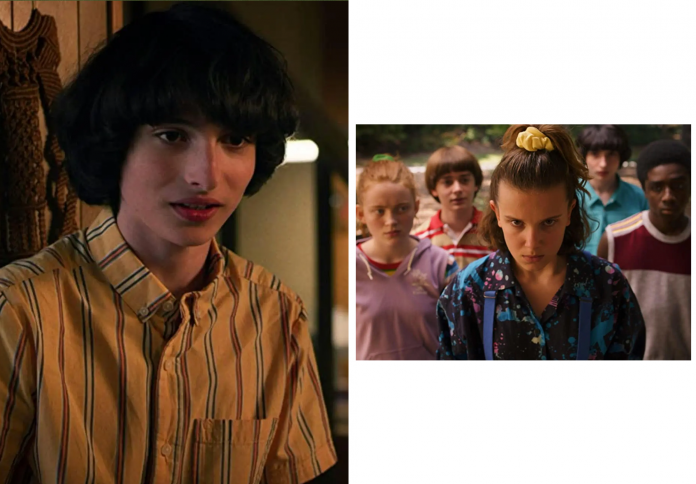
The group of young actors who form the core “Party”—Finn Wolfhard (Mike), Gaten Matarazzo (Dustin), Caleb McLaughlin (Lucas), Noah Schnapp (Will), and Sadie Sink (Max)—also saw their salaries rocket to near-seven-figure marks.

This central group reportedly earned around $875,000 per episode for Season 5, bringing their individual seasonal earnings to over $7 million. Their initial starting salary for the first season was a mere $20,000 per episode, demonstrating one of the most drastic pay increases in modern television history. This financial transformation, from young unknowns to multi-millionaires, mirrors the show’s own explosive growth, turning the child actors into global household names who could command blockbuster salaries. The final negotiation solidified their collective financial power as a unit, recognizing their shared contribution to the series’ enduring success.
The Older Teens’ Final Haul and Production Costs
The supporting actors who portray the older teens—Joe Keery (Steve), Natalia Dyer (Nancy), Charlie Heaton (Jonathan), and Maya Hawke (Robin)—comprised the third salary tier, still earning formidable paychecks for the final outing.

These key cast members were reportedly compensated at a rate of around $750,000 per episode, resulting in an estimated total payday of $6 million each for the season. While slightly less than their younger counterparts, this salary is still elite, recognizing their pivotal roles in the ensemble’s evolution and their contributions to the show’s most beloved dynamics. This massive payroll is supported by an equally astonishing production budget; the final season is reported to have cost Netflix an unprecedented $50 million to $60 million per episode, making it one of the most expensive television series ever produced.
The Eleven Empire: Millie Bobby Brown’s Net Worth and Confidential Deal
Millie Bobby Brown, the undeniable face of the series, stands apart from the rest of the cast, holding the highest net worth and maintaining a secret salary deal.

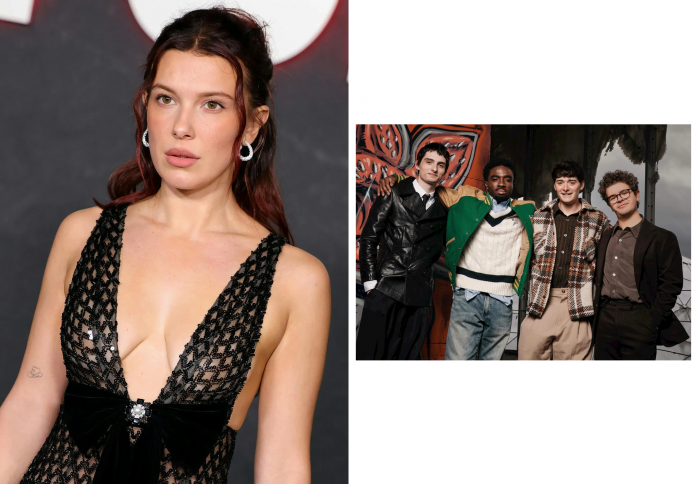
Brown’s individual net worth is estimated at $20 million, positioning her as the wealthiest member of the Stranger Things ensemble. This immense fortune is derived not just from her leading role as Eleven, but from her powerful, multi-project deal with Netflix. Her final season salary for Stranger Things remains confidential, separate from the tiered negotiations of her co-stars. Industry reports suggest she may have earned as much as $1.25 million per episode, or potentially more, reflecting her unique status.
Her career has broadened dramatically through this partnership, notably as the star and producer of the successful Enola Holmes film franchise, for which she earned a reported $10 million for the second installment alone. Combined with her beauty brand, Florence by Mills, Brown has successfully leveraged her television success into a diverse financial portfolio, transforming her from a breakout star into a powerful entertainment mogul before the age of twenty-two.