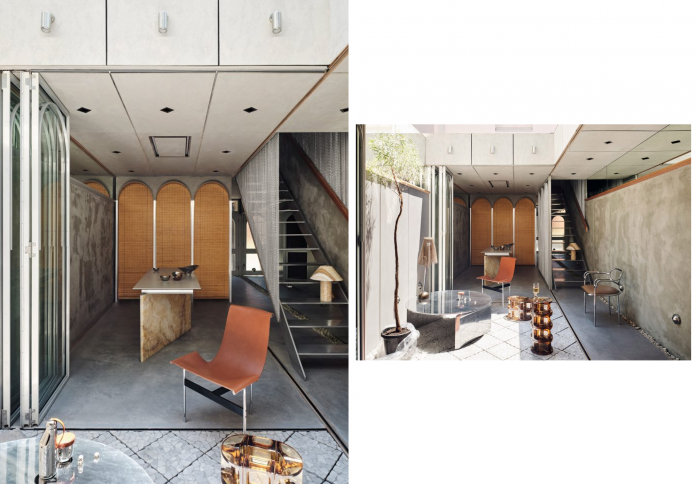
The Terrace Mirage House, a private residential project in Sydney designed by Alcami Architecture, is a masterful exercise in maximizing panoramic harbor views while upholding a design philosophy of quiet, refined restraint. The project involved the challenging renovation and extension of an existing semi-detached home, constrained by a narrow urban plot and tight planning restrictions. Alcami Architecture’s solution was to conceive the house as a series of carefully articulated layers and reflective surfaces that play with light and perspective, earning the project its name. Through the clever use of deep, cantilevered terraces, a limited palette of natural materials, and strategic internal planning, the architects successfully transformed a typical urban residence into a serene, light-filled sanctuary that feels far larger and more expansive than its footprint suggests.
The Architectural Challenge and Context
The design process for the Terrace Mirage House was dictated by the twin constraints of a restrictive urban context and the necessity of preserving views for neighboring properties.

Located on a steeply sloping site typical of many upscale Sydney suburbs, the existing semi-detached house presented numerous spatial and structural challenges. The architects were tasked with increasing the usable area and optimizing the stunning harbor views without creating an imposing structure that would draw criticism from planning authorities. Alcami Architecture approached this by prioritizing vertical articulation and material lightness. Rather than building outward, the design focused on a sensitive, tiered addition at the rear of the property. The overall mass was broken down through the use of recessive materials and deeply recessed glazing, ensuring the new extension feels integrated and respectful of its residential context.
Playing with Perception: The “Mirage” Effect
The core concept that defines the house is the architectural manipulation of light and reflection to create an illusion of greater depth and boundless space.

The “Mirage” effect is achieved through two principal elements: reflective materials and deep terracing. The exterior surfaces of the upper floors are clad in materials chosen for their subtle reflective qualities, which absorb and refract the intense Sydney sunlight, often making the upper structure appear lighter and sometimes disappearing into the sky. Furthermore, the use of full-height glazing is strategically angled to capture and multiply views of the water, drawing the eye out and blurring the lines between the interior living spaces and the harbor panorama. The cantilevered terraces, finished in pale stone, add to this effect by appearing to float, minimizing the visual bulk of the structure and maximizing the feeling of openness from within.
Interiors: A Palette of Quiet Refinement
The interior design embraces a philosophy of material restraint and timeless elegance, ensuring that the spectacular views remain the undisputed focal point of every room.

Alcami Architecture selected a muted, yet rich, material palette dominated by polished concrete, light natural stone, and pale timber joinery. This limited selection provides a sense of visual calm, serving as a neutral backdrop that highlights the shifting colors of the harbor and the sky. The joinery is characterized by simple, recessed detailing and handle-less doors, minimizing visual distraction and emphasizing the clean, minimalist lines of the space. Custom lighting is integrated discreetly into the ceilings and joinery, ensuring a soft, ambient glow that does not compete with the natural light during the day. The resulting atmosphere is one of sophisticated tranquility, where every element contributes to a sense of order and quiet luxury.
The Connection to the Landscape: Deep Terraces
A critical functional and aesthetic feature of the design is the series of deep, generous terraces that seamlessly extend the interior living spaces into the exterior landscape.

Unlike typical narrow balconies, the terraces are designed as true outdoor living rooms, providing ample space for dining, lounging, and entertaining. The deep overhangs of the terraces serve a dual function: they provide essential solar shading for the expansive glazing below, mitigating the harsh Australian sun, while also creating sheltered outdoor areas usable in almost any weather. The transition from inside to out is virtually seamless, achieved through large sliding glass doors and the continuity of flooring materials, connecting the open-plan living and dining areas directly to the breathtaking harbor vista. These terraces not only provide invaluable outdoor space but also serve as architectural framing devices, carefully controlling and directing the occupants’ view toward the defining landscape feature—Sydney Harbour.