The moments of sunrise and sunset are universally recognized as the most profound natural spectacles on Earth, marking the only times when the sky itself transforms into a vast, dynamic canvas of color, shadow, and light. Chasing these golden hours has become a primary motivation for travel, leading adventurers to remote peaks, ancient ruins, and vast desert horizons. The world’s best viewing spots are defined not just by the purity of the light, but by the dramatic geographical context that frames it—be it the silhouette of a monumental temple, the sheer scale of a canyon, or the stillness of a vast ocean. These experiences offer a shared, meditative beauty, connecting humanity to the planet’s rhythmic, daily cycle and transforming an ordinary moment into a memory of profound, elemental awe.
The Grand Stage: Canyons, Deserts, and Monuments
The most spectacular sunrises and sunsets often occur where the landscape provides a deep, contrasting frame that maximizes the visual impact of the light.

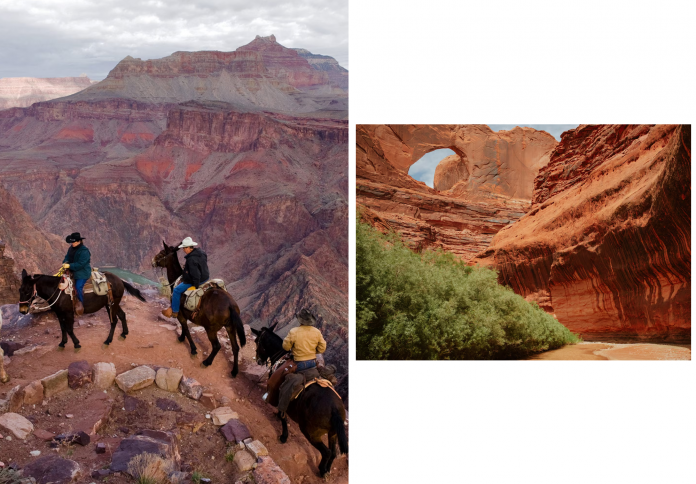
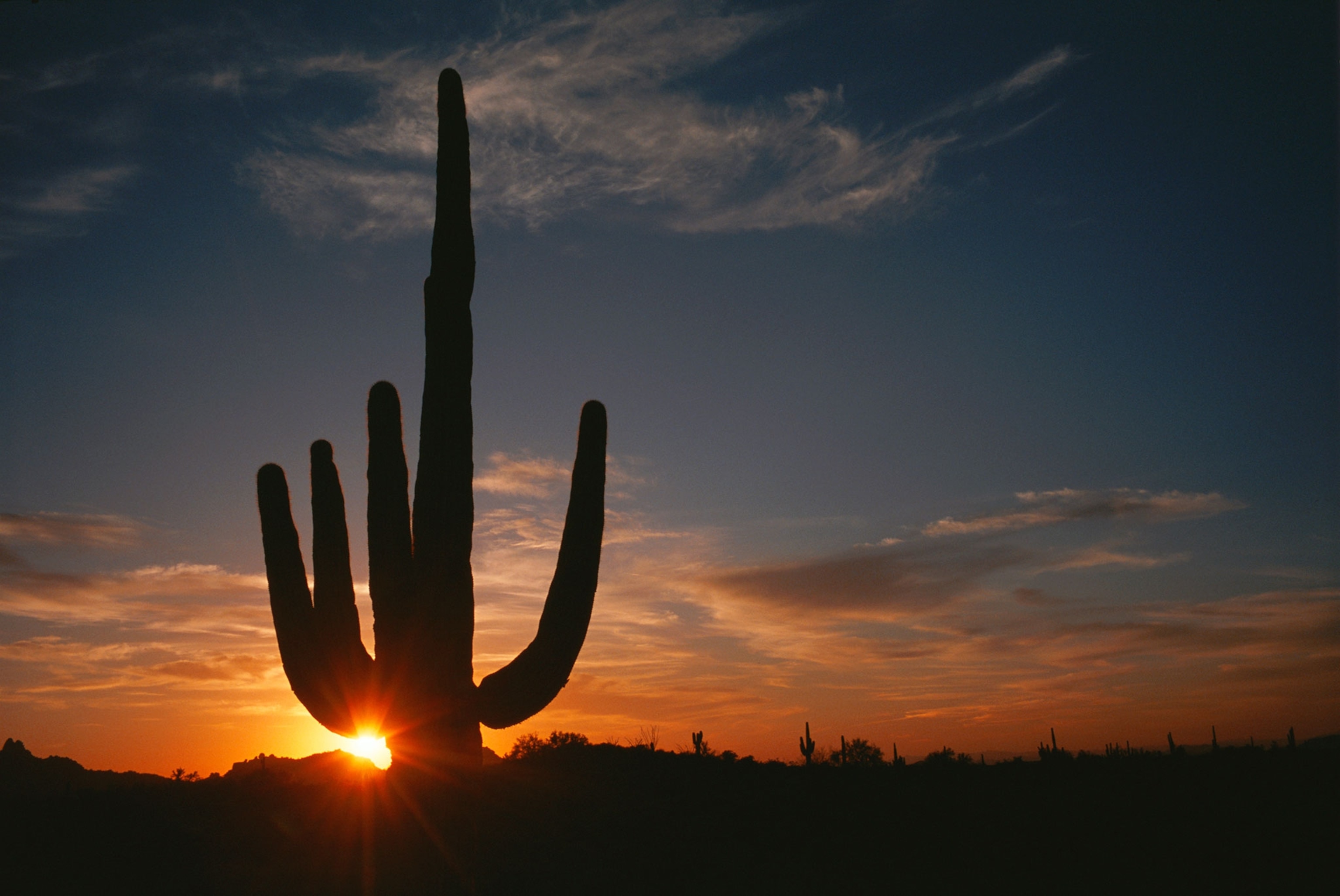
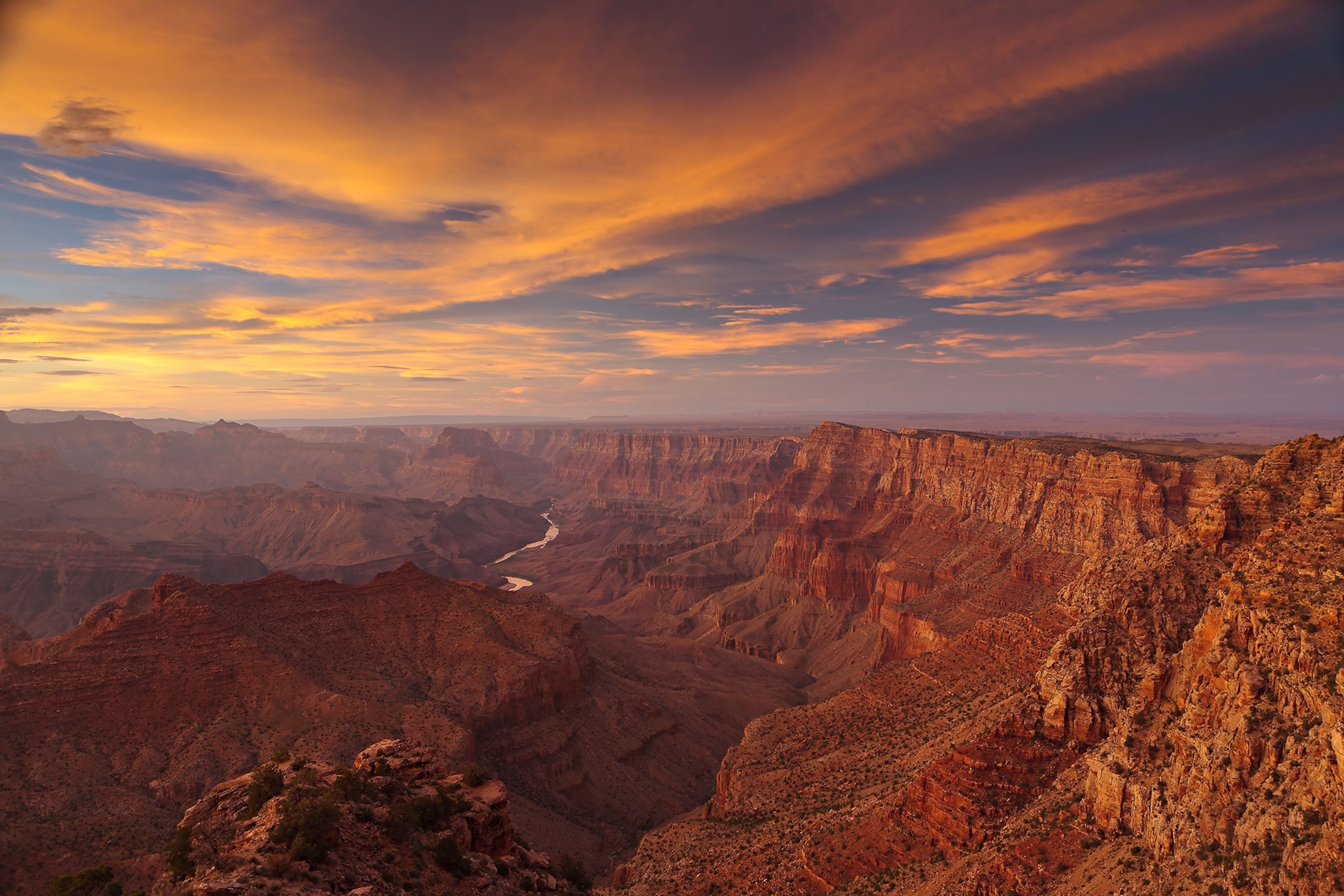
Monumental geological formations are naturally superb venues. The Grand Canyon in Arizona is an essential example; here, the low angle of the sun at dawn and dusk catches the horizontal layers of the canyon walls, dramatically shifting their colors from purple and shadow to vibrant reds and ochres. Similarly, the vast, uninterrupted horizons of the world’s great deserts, such as the Sahara or the Namib, allow the light to travel farther and cleaner, intensifying the colors as the sun dips. The sheer emptiness of the desert floor provides a dramatic foreground to the overwhelming palette of the sky, creating an unmediated, epic visual experience.
Furthermore, ancient architectural sites often lend a powerful, human-made structure to the natural light show. Watching the sun rise over the monumental forms of Angkor Wat in Cambodia or setting behind the temples of Machu Picchu in Peru transforms the light show into a temporal and spiritual event, linking the fleeting moment of daybreak or twilight with millennia of human history and reverence.
The Oceanic Canvas: Coastal and Island Epics
The world’s coastlines and islands offer a different, yet equally captivating, experience of the golden hours, defined by the interplay between water, sky, and horizon.
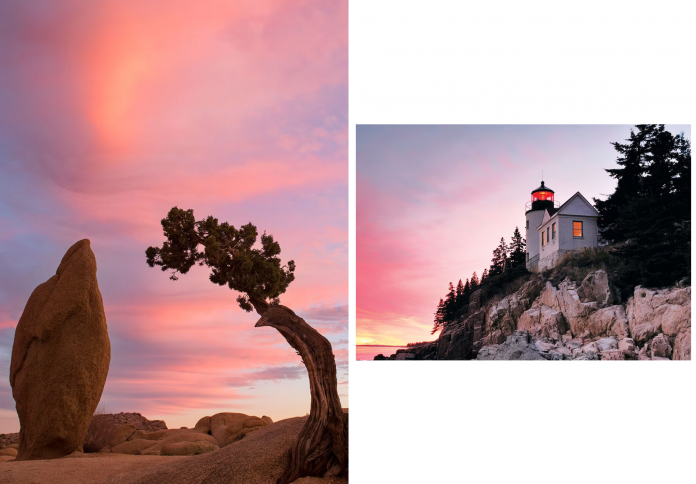
On the open ocean, the horizon is a clean, unblemished line, allowing the full visual arc of the sun to be observed without interruption. This is particularly potent during sunset, where the light trail shimmers directly across the water, often culminating in the dramatic “green flash” phenomenon. Island destinations like Santorini, Greece, or the islands of Hawaii capitalize on this. In Santorini, the white, cliffside villages provide a stark, brilliant contrast to the deep blues of the Aegean and the fiery colors of the sunset, creating one of the world’s most photographed twilight scenes.
Coastal formations also offer unique framing. Watching the sun drop behind the iconic sea stacks and rugged cliffs of the Pacific Northwest or the jagged, volcanic peaks of Iceland provides a raw, dynamic setting. The constant movement of the sea and the reflective surface of the water amplify the subtle shifts in the sky’s light, ensuring that the spectacle is both visually and acoustically immersive.
High Altitude Drama: Peaks and Atmospheric Clarity
High-altitude locations provide an unparalleled advantage for viewing sunrises and sunsets due to increased atmospheric clarity and the unique perspective of seeing the light spread below.
Being positioned high above the ground removes much of the visual distortion and haze found at lower elevations. Mountains like Mount Fuji in Japan or the peaks of the Himalayas offer views where the rising or setting sun casts deep, triangular shadows that stretch across the land—a phenomenon known as the alpenglow. In the moments just before dawn or after dusk, these high vantage points provide a view of the curvature of the Earth and the distinct layers of the atmosphere, adding a layer of scientific awe to the natural beauty.
The high-altitude perspective also means that viewers can often see the sun light up the clouds below them, creating a spectacular, multi-tiered visual effect that is inaccessible from sea level. This isolation and elevated view transform the event into a privileged, ethereal experience reserved for those who make the strenuous climb.
The Role of Climate and Photography
While location is crucial, the actual impact of a sunrise or sunset is heavily reliant on atmospheric conditions, cloud cover, and the time of year.
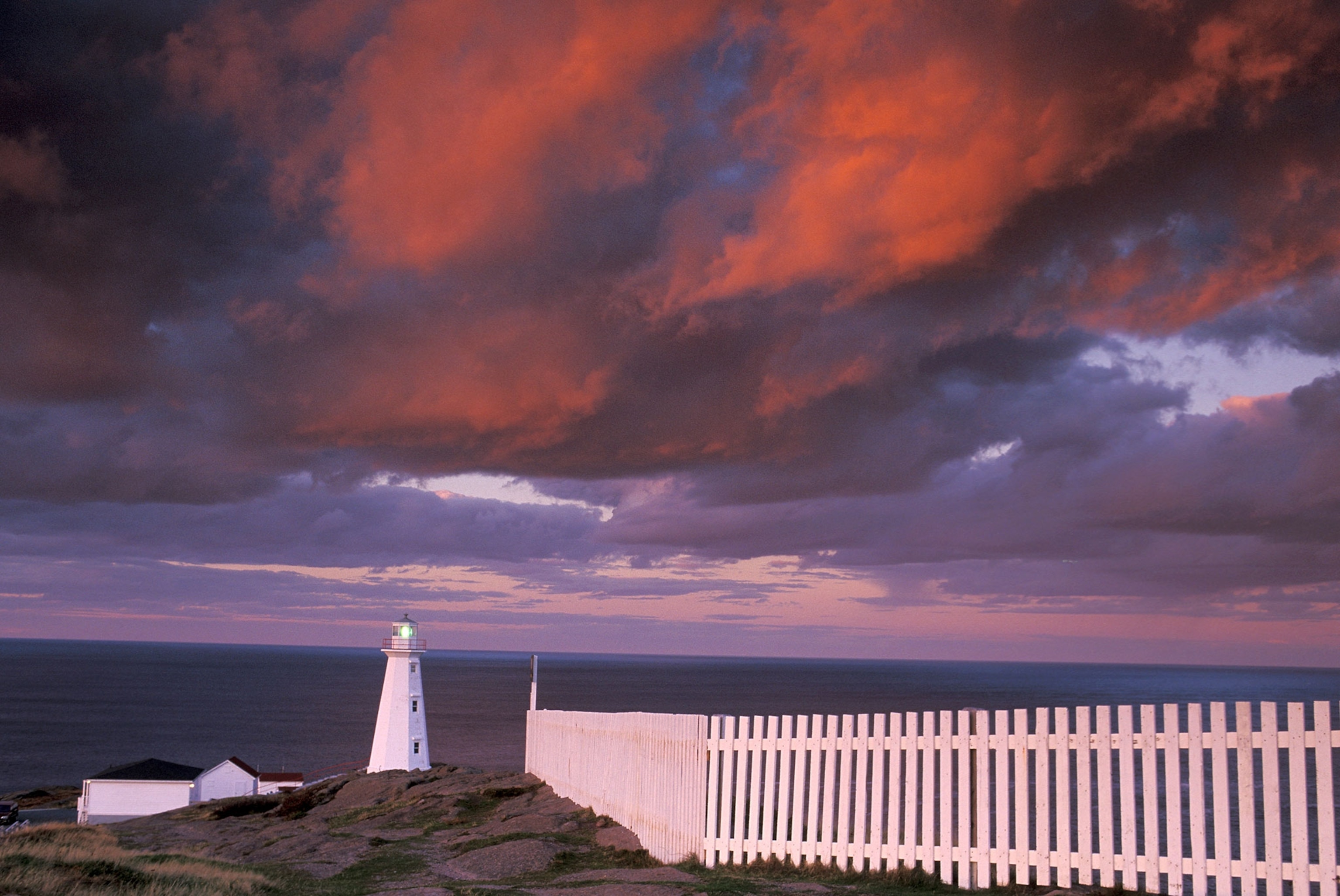
The presence of high-altitude cirrus clouds and mid-level altostratus clouds is often key to creating the most dramatic displays, as they catch and scatter the light far more effectively than a clear sky. Furthermore, atmospheric dust or moisture from desert winds or volcanic eruptions can increase the density of particles in the sky, leading to the intense, deep reds and oranges often sought by photographers. The challenge for the serious chaser of light is to combine a geographically superior location with the correct, often unpredictable, weather conditions. This element of chance makes a truly perfect sunrise or sunset a cherished, non-replicable moment.