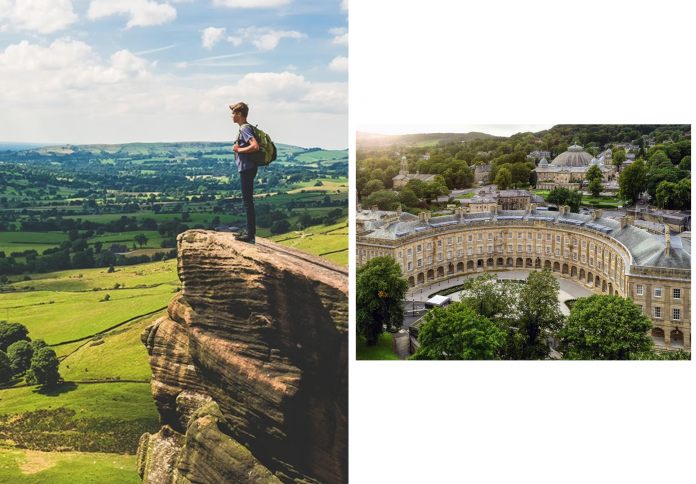
The Peak District National Park, renowned for its rolling moorlands, limestone valleys, and historic villages, finds its perfect urban anchor in Buxton, a spa town celebrated for its Georgian and Victorian elegance. Buxton’s unique status as a historical resort, coupled with its strategic location on the border of the Park’s rugged Dark Peak and gentle White Peak areas, makes it an unrivaled base for exploration. It offers visitors the crucial duality of immediate access to wild, untamed nature alongside the sophisticated comforts of a thriving cultural center. From its healing thermal waters and grand architectural heritage to its vibrant arts scene and essential logistical hub status, Buxton transforms a trip to the Peak District from a rustic hike into a holistic experience of natural beauty and refined British culture.
A History Forged by Water: The Spa Town Heritage
Buxton’s foundational identity is rooted in its natural thermal springs, which have attracted visitors seeking restorative properties since Roman times, defining its unique architectural and social character.
The town’s mineral-rich water, which emerges, inspired a massive redevelopment in the 18th and 19th centuries, resulting in its celebrated spa town architecture. Key landmarks like the Crescent (often compared to Bath’s Royal Crescent), the Devonshire Dome (one of the largest unsupported domes in the world), and the Buxton Opera House attest to this elegant past. This heritage ensures that Buxton offers high-quality accommodations, refined dining, and established cultural venues, providing a crucial element of sophisticated comfort after a day spent trekking through the muddy moors of the national park.
The Strategic Divide: Access to Both Peaks
Buxton’s geographical placement is perhaps its greatest asset, as it sits precisely on the boundary between the two contrasting halves of the Peak District, making both easily accessible.
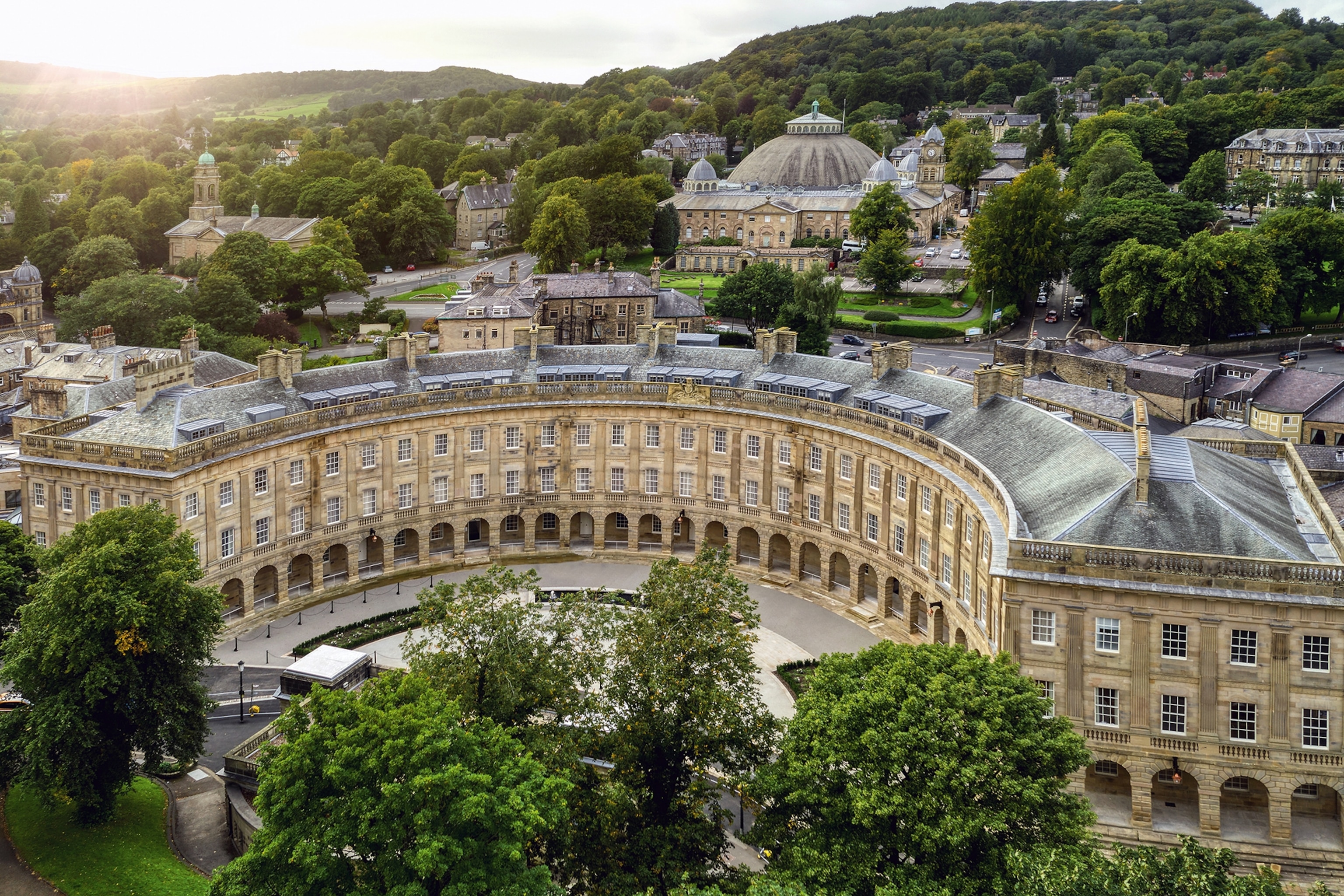
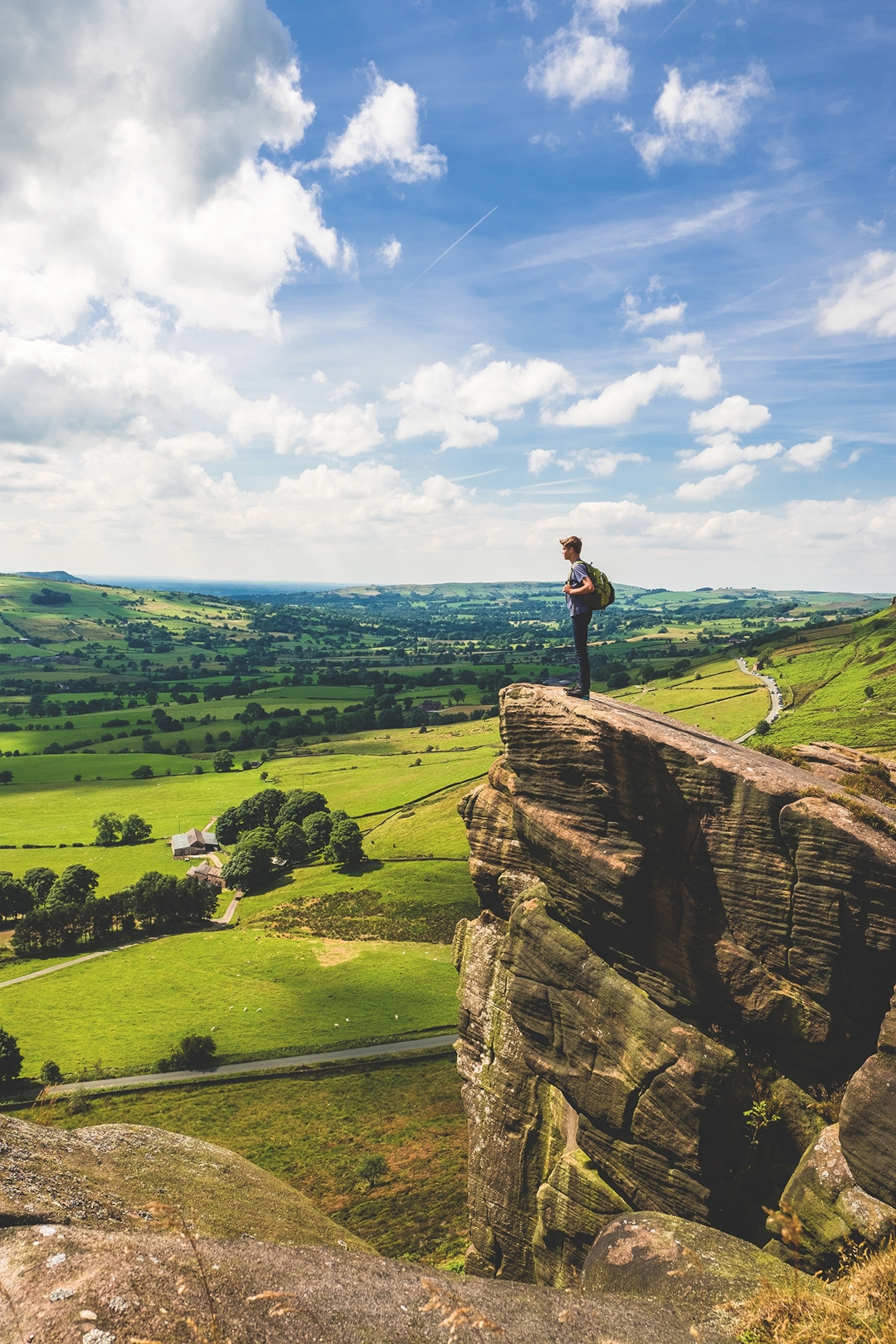
To the north and east lies the Dark Peak, characterized by its high, sweeping gritstone moorlands, rugged edges, and challenging walking terrain—ideal for serious hikers seeking isolation and dramatic views. To the south and west is the White Peak, known for its gentle limestone dales, pastoral scenery, and charming stone villages, offering more moderate walking and cycling trails. This dual access means travelers based in Buxton can tailor their daily adventures instantly, choosing between the challenging heights of Kinder Scout or the gentle paths of Dovedale, all within a short drive.
A Cultural Anchor: Arts, Festivals, and Urban Amenities
Beyond its function as a gateway to nature, Buxton provides a rich urban experience, serving as a cultural hub for the entire Peak District region.
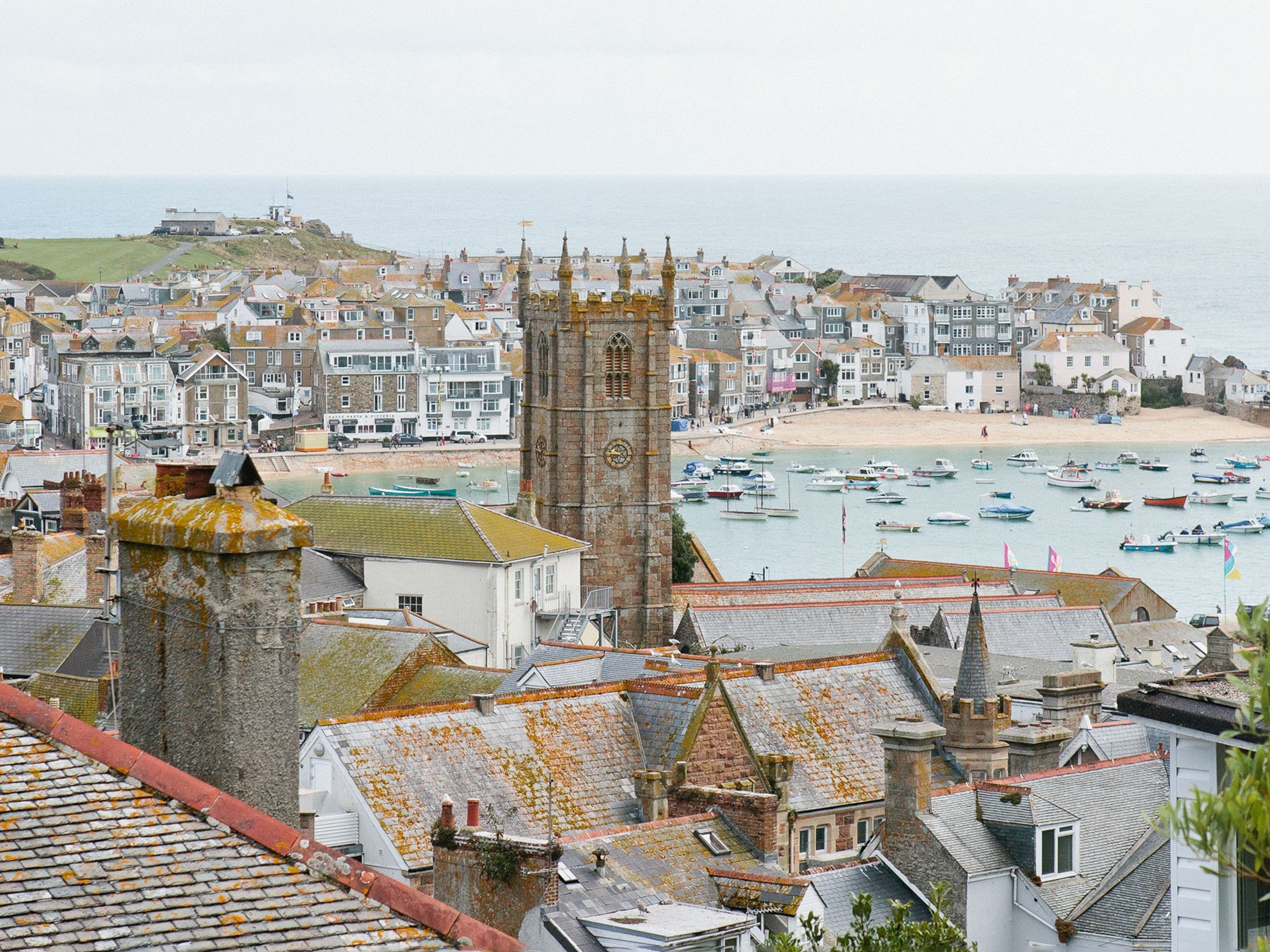
The town is home to the renowned Buxton Opera House, which hosts year-round theatrical performances, and the annual Buxton International Festival, celebrating opera, literature, and music, drawing artists and audiences from across the UK. This cultural vibrancy ensures that a stay in Buxton offers far more than just outdoor activity; it provides options for evening entertainment and engagement with the arts. Furthermore, as one of the largest towns in the park’s vicinity, it offers practical necessities—specialty outdoor gear shops, comprehensive transport links, and a wide array of pubs and cafes—making it logistically superior to the smaller, more remote villages.
Natural Extensions: Caverns and Gorge Exploration
Buxton’s immediate surroundings are replete with natural attractions that extend the adventure from the main park trails into geological exploration.
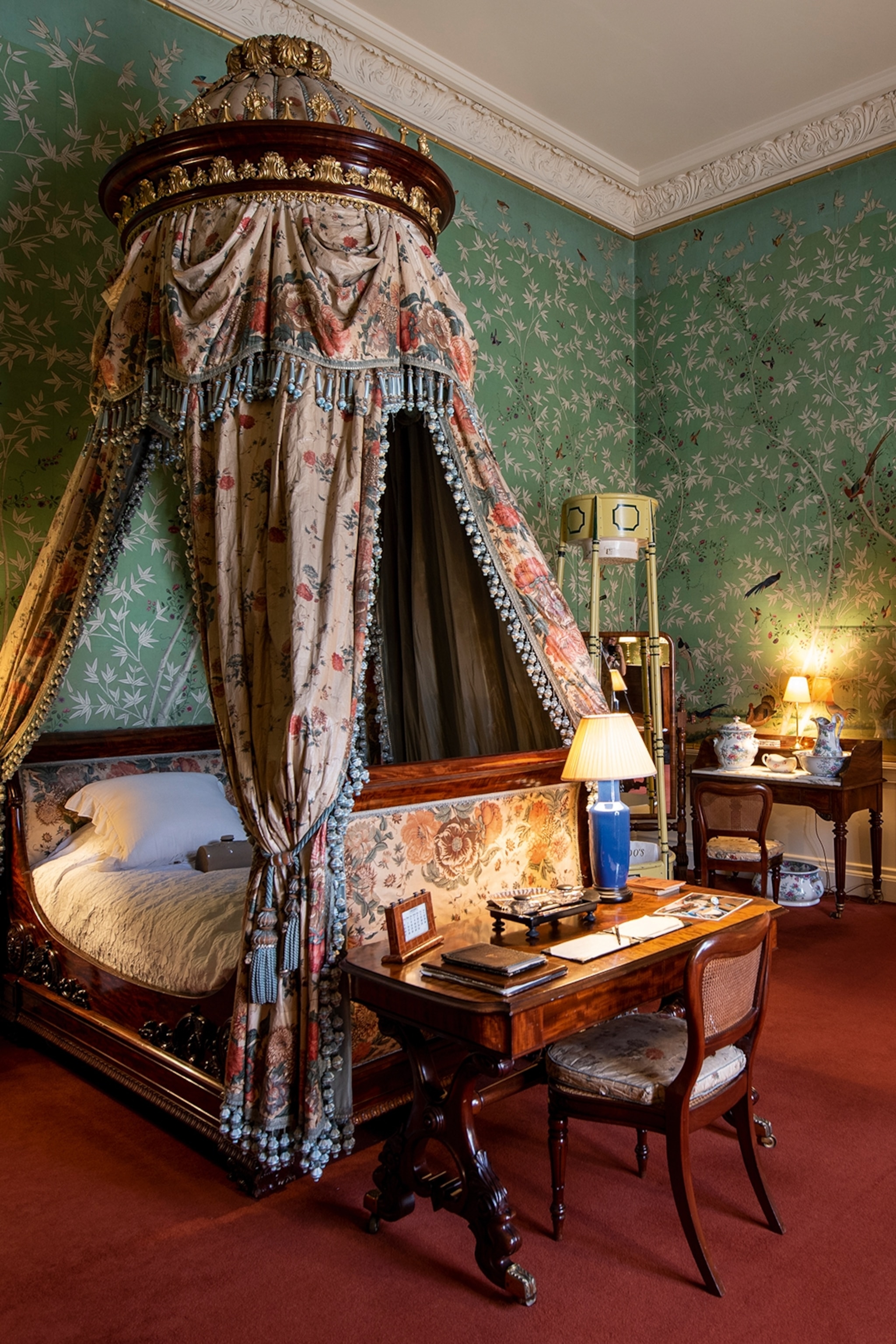
The town is famous for its nearby deep limestone ravines and cavern systems. Poole’s Cavern, a large natural limestone cave, is easily accessible and offers guided tours deep underground, revealing magnificent stalactites and stalagmites. Adjacent to the cavern is Grin Low, a wooded hill offering spectacular views over the town and the surrounding Peak District. The proximity of these unique natural features—the deep earth caverns and the vertical limestone gorges—allows visitors to seamlessly diversify their activities, transitioning from open-air hiking to sheltered geological exploration without significant travel time.