The travel industry is currently undergoing a critical transformation, moving beyond traditional, homogeneous narratives to embrace a paradigm built on diversity, accessibility, representation, and inclusion (DARI). This shift is not merely a matter of social justice, but a critical business imperative driven by evolving consumer expectations and the necessity of reflecting the true global landscape. By intentionally prioritizing DARI principles, destinations and brands are learning to dismantle systemic barriers—from physical accessibility issues to biased visual storytelling—ensuring that travel is safe, welcoming, and enriching for every individual, regardless of their background, ability, or identity. This movement signals a profound maturation of the industry, recognizing that true exploration requires acknowledging and celebrating the entire spectrum of human experience.
Dismantling Physical Barriers: The Evolution of Accessibility
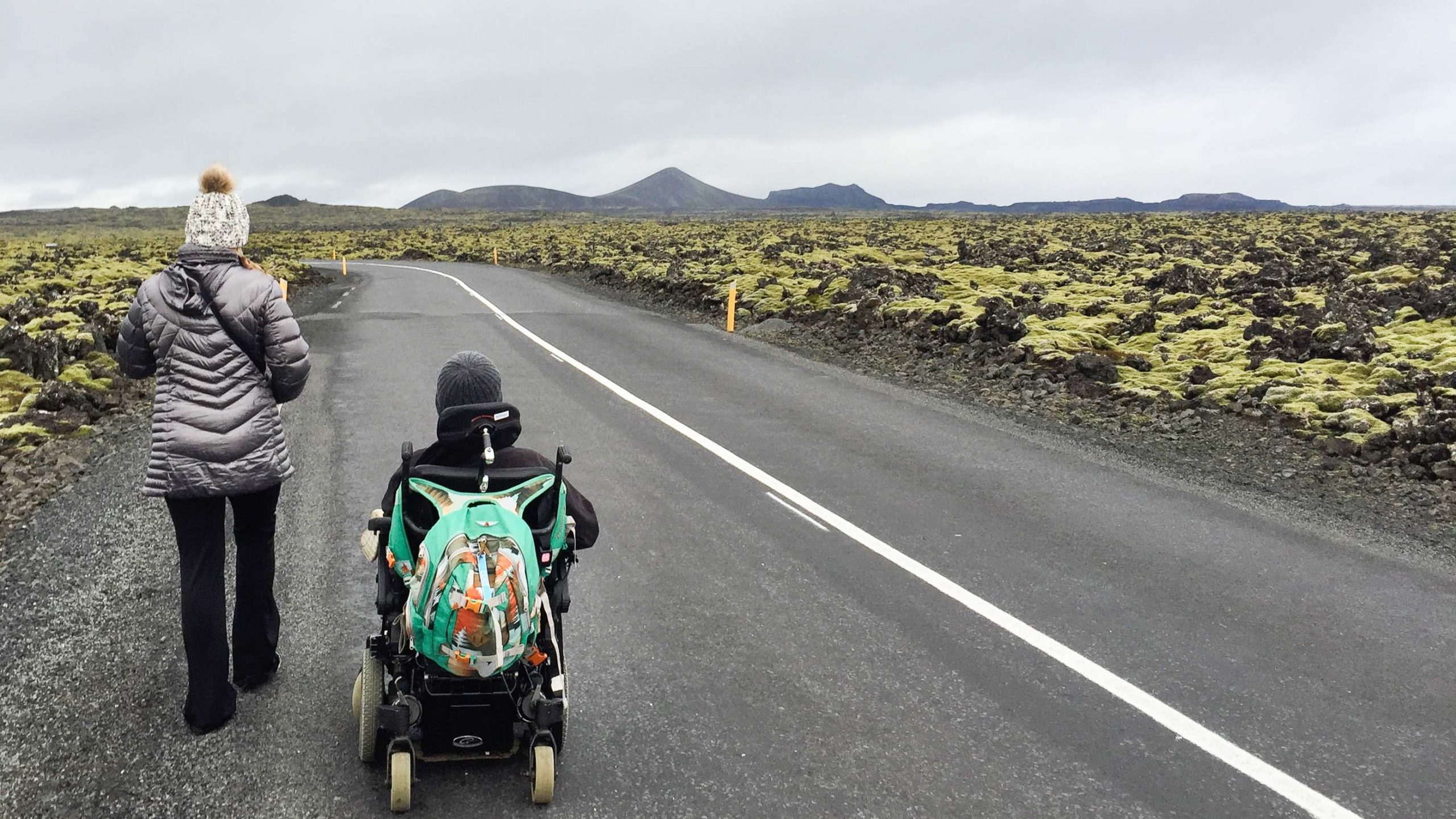
Accessibility, long viewed as a niche requirement, is rapidly being repositioned as a foundational element of inclusive design, addressing the needs of travelers with physical, cognitive, and sensory disabilities.

The industry is moving past minimal legal compliance toward universal design principles, where infrastructure and experiences are planned to be usable by all people, to the greatest extent possible, without the need for adaptation. This means upgrading everything from airport terminals and public transit to hotel rooms and cultural sites to ensure smooth navigation for wheelchair users. Beyond physical modifications, this includes developing accessible information formats, such as audio guides and braille signage, to accommodate sensory limitations. This focus broadens the market and ensures that travel is a fundamental human right, not a privilege limited by one’s physical capabilities.
The Power of the Lens: Authentic Representation in Media
Visual and narrative representation in travel media holds immense power, shaping perceptions of destinations and determining who feels welcome in them.
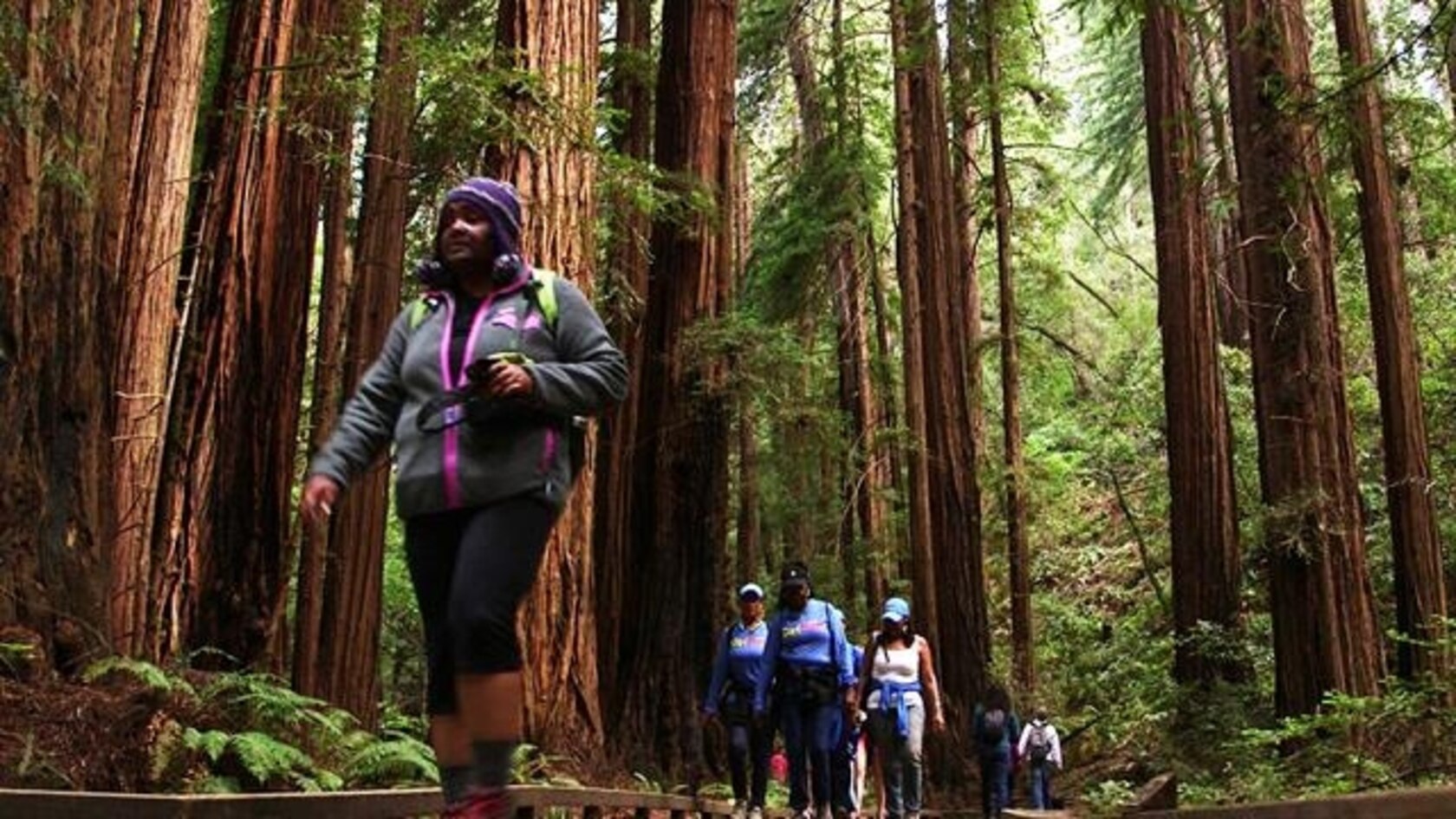
Historically, travel marketing has often perpetuated narrow, stereotypical, or idealized images of places and people, frequently centering a white, Western perspective. The current push for inclusion demands that media outlets and tourism boards actively seek and feature diverse storytellers, photographers, and travelers. This means intentionally showcasing people of color, LGBTQ+ individuals, people with disabilities, and diverse family structures. By diversifying the narratives and the faces seen in campaigns, the industry not only corrects past biases but also provides vital aspirational imagery, signaling to all potential travelers that they belong in the story of global exploration.
Economic Equity: Supporting Local and Diverse Communities
True diversity in travel extends beyond the consumer experience to the economic relationships between tourists and host communities, demanding a focus on equity and fair distribution of benefits.
Inclusion requires ensuring that the economic opportunities generated by tourism directly benefit the local and diverse populations who steward the destinations. This involves prioritizing partnerships with businesses owned by women, marginalized ethnic groups, and Indigenous populations, ensuring that cultural exchanges are empowering, not exploitative. Travelers are increasingly seeking out authentic experiences that directly support local economies, choosing to spend their money at community-run restaurants, craft cooperatives, and small, family-owned accommodations. This ethical spending model fosters a more sustainable and equitable form of tourism.
The Role of Training: Cultivating Inclusive Hospitality
For diversity and inclusion to be truly effective, they must be integrated into the human element of the industry—the hospitality and service provided by staff and guides.

This requires rigorous, ongoing diversity and sensitivity training for all personnel, from airline staff to hotel managers and tour guides. Training focuses on understanding implicit bias, respecting gender and cultural differences, and knowing how to respectfully and effectively interact with travelers of varying abilities. The goal is to cultivate a genuinely inclusive atmosphere where every traveler feels seen, respected, and safe. When staff are equipped with cultural competency and empathy, they become ambassadors of inclusion, transforming a mere transaction into a meaningful and welcoming human interaction.