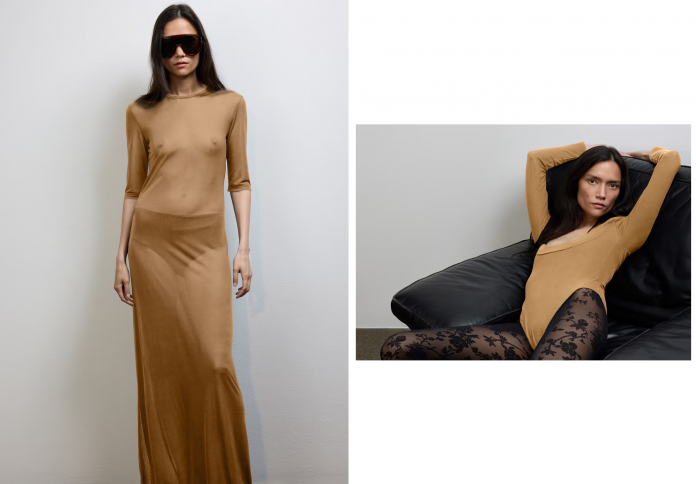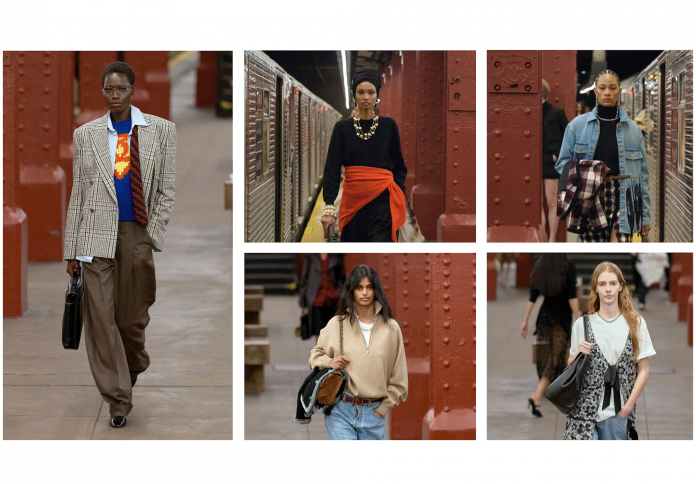
The annual Chanel Métiers d’Art collection is not merely a runway show; it is a masterclass in the unparalleled craftsmanship of the house’s artisanal workshops—a demonstration of high-fashion pieces designed for real-world wear. For 2025, Creative Director Virginie Viard presented a study in effortless sophistication, moving beyond rigid formality to embrace a nuanced, lived-in luxury. The styling, rather than the garments themselves, provided the most vital takeaways: the art of high-low juxtaposition, the transformative power of layering delicate chains, and the imperative of the “slightly undone” beauty look. The collection successfully translated highly elaborate, hand-finished items—from intricate tweed jackets to pearl-embellished silks—into a wearable, modern uniform, providing crucial styling lessons for making the most exclusive fashion feel personally accessible.
The High-Low Juxtaposition: Tweed Meets Denim
The defining styling principle of the Métiers d’Art show was the courageous pairing of Chanel’s most precious, hand-worked creations with humble, casual wardrobe staples.

This technique immediately dismantled the notion that high fashion must be reserved for formal occasions. Viard consistently styled intricately woven, heavily embellished tweed jackets—the signature of the house—with relaxed, subtly distressed denim jeans or casual cotton shorts. This contrast instantly grounds the luxurious item, transforming the jacket from a piece of costume into a chic, everyday statement piece. The styling emphasizes that true luxury is not about wearing head-to-toe couture, but about confidently integrating priceless craftsmanship into a comfortable, modern wardrobe, making the most exclusive items look effortlessly cool rather than ostentatious.
Layering Mastery: The New Code of Chain and Pearl
The collection offered a definitive update on the art of accessory layering, showcasing how fine jewelry and costume pieces can be combined to create a sense of bohemian, yet polished, abundance.

The key to the new look was the deliberate mixing of materials and lengths. Models were adorned with multiple fine gold chains of varying lengths, interspersed with the house’s iconic pearl strands. The layering was intentionally generous but never felt heavy, maintaining a delicate, fluid movement. This technique encourages the wearer to abandon the strict formality of singular necklaces and instead embrace a personalized, slightly chaotic accumulation of meaningful pieces. The lesson is that jewelry should feel intrinsic to the outfit, framing the neckline and adding a glittering, multi-dimensional texture that catches the light and complements the rich fabrics of the collection.
The Undone Elegance: Beauty and Hair as Soft Contrast
To prevent the elaborate clothing from appearing over-styled or stiff, the beauty and hair choices were deliberately soft, natural, and refreshingly “undone.”

The makeup was kept minimal, focusing on immaculate, glowing skin and a sheer wash of color on the lips and cheeks. There was a notable absence of heavy contouring or dramatic eye makeup, ensuring that the face remained soft, feminine, and approachable. Similarly, the hair was often styled with a natural, subtle wave or a deliberately imperfect texture, sometimes pulled back loosely or adorned with simple silk bows that looked almost haphazardly placed. This purposeful contrast between the clothing’s structural formality and the beauty look’s casual softness is essential for achieving modern elegance, signaling a woman who is comfortable, confident, and whose style is inherently her own, not dictated by rigid rules.
The Midriff Movement: Redefining Proportions
A prominent styling motif throughout the Métiers d’Art show was the strategic use of proportion and subtle flashes of skin to modernize classic silhouettes and enhance their wearability.

Many classic tweed jackets and blouses were styled with a cropped hemline, exposing a sliver of the midriff when paired with high-waisted trousers or skirts. This contemporary adjustment injects a youthful, dynamic energy into otherwise traditional pieces. The exposed midriff provides a sharp vertical break in the outfit, which visually elongates the silhouette and prevents the often-heavy tweeds and knits from weighing down the overall look. The styling encourages the modern wearer to experiment with proportion, using cropped jackets and tops as balancing tools to define the waist and add an unexpected, breezy element of lightness to structured tailoring.