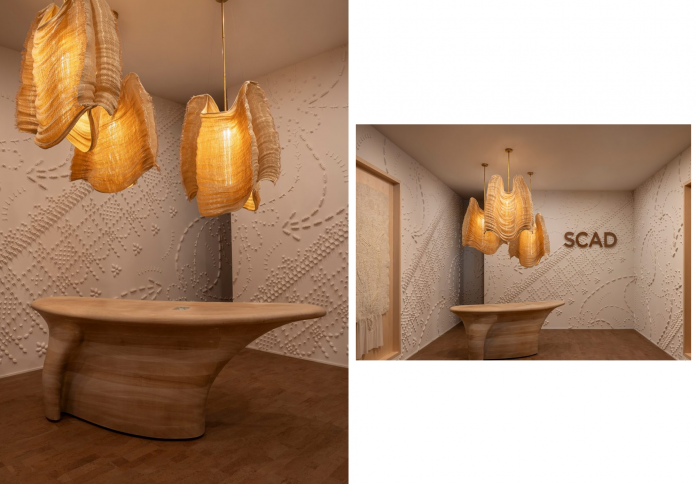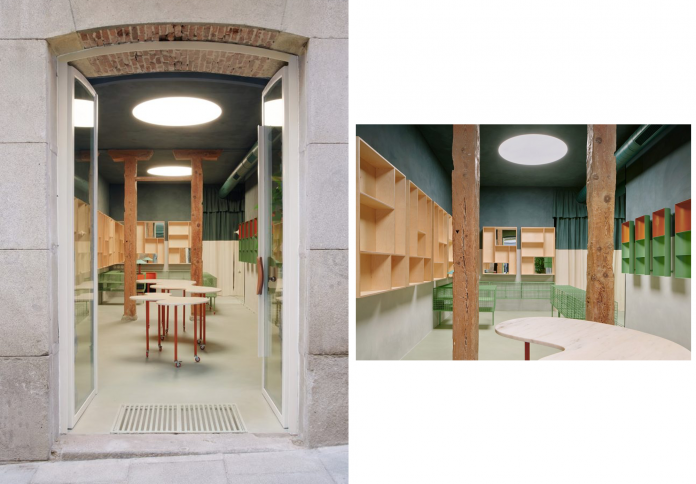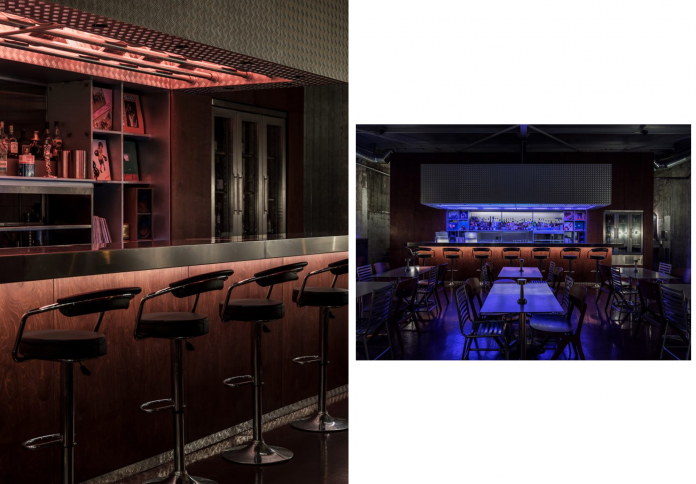
The Goodside pole dance studio in New York, designed by the Office of Tangible Space (OTS), represents a sophisticated architectural intervention that transforms a traditional fitness space into a sanctuary of strength, self-expression, and artistic movement. The design consciously avoids the dark, high-energy aesthetic often associated with pole fitness studios, opting instead for a luminous, meditative environment defined by soft textures, minimal color, and sculptural forms. OTS focused on creating an atmosphere that is supportive and non-judgmental, where the inherent athleticism and artistry of pole dancing are given a refined, gallery-like stage. By treating the pole itself as a primary architectural element and integrating thoughtful lighting and material choices, the design elevates the practice from a niche fitness routine into a respected form of contemporary performance art.
The Concept: From Fitness Studio to Sculptural Stage
The core concept for the Goodside studio was to challenge the often-misunderstood public perception of pole dancing by creating a space that emphasizes the discipline’s athletic and artistic rigor.

Office of Tangible Space aimed to design an environment that felt less like a gym and more like an experimental black box theatre or an art studio. The space is intended to serve as a neutral backdrop against which the body’s movement and strength are celebrated without distraction. This philosophy is evident in the studio’s commitment to minimalism and clarity, allowing the primary focus to remain entirely on the individuals practicing. The designers sought to create a supportive, almost spiritual atmosphere where the act of physical training is elevated to a form of mindful practice and self-discovery, fostering a sense of community and empowerment among its diverse clientele.
The Pole as Architecture: Functional Aesthetics
In a pole dance studio, the pole itself is the most crucial piece of equipment, and OTS treated it as a fundamental element of the architectural design.

The studio features custom-finished, high-performance poles that are strategically positioned within the main practice rooms. Unlike typical gyms where equipment is utilitarian, here, the poles are meticulously integrated into the spatial planning, becoming vertical sculptural elements that anchor the room’s geometry. The surrounding infrastructure, including the ceiling supports and base mounts, are meticulously concealed or refined to ensure a clean visual line that draws attention to the movement around the pole rather than the technical equipment itself. This subtle design choice reinforces the artistic nature of the practice, transforming the pole from a simple fitness tool into an essential component of the studio’s aesthetic identity.
Material Palette: Softness, Light, and Muted Color
The atmosphere of calm and focus is largely achieved through a deliberate and highly restricted palette of soft, textured, and light-reflecting materials.

The dominant material is a warm, custom plaster or specialized wall treatment used throughout the main studios. This finish avoids the harsh glare of standard paint, instead offering a soft, diffused surface that gently absorbs light and minimizes visual noise. This material choice is paired with pale, light-toned timber or high-quality resilient flooring—essential for the safety and comfort of the dancers—that adds a necessary element of organic warmth. The color palette is almost entirely monochromatic, consisting of creams, whites, and pale beiges. Accents of color are introduced minimally, such as in the subtle tones of the reception desk or custom seating, ensuring the focus remains on the movement and form of the body.
Lighting Design: Sculpting the Moving Body
The lighting strategy is perhaps the most critical component of the design, engineered to sculpt the moving bodies of the dancers and enhance the space’s theatrical quality.

OTS utilized a sophisticated system of integrated, tunable lighting. In the main studios, recessed and track lighting is positioned to allow the instructors and dancers to control the atmosphere, ranging from bright, uniform light for instruction to dramatic, focused beams for performance. Critically, the lighting is positioned to graze the bodies and the poles, emphasizing the muscle definition, shadow, and form that are central to the athletic art. Furthermore, the studio incorporates soft, diffused natural light where possible, filtered through translucent window treatments. This strategic use of light and shadow transforms the practice rooms into dynamic stages, enhancing the performance aspect of the training and contributing to the gallery-like feel of the entire space.
The Social Spaces: Community and Calm
Beyond the main studios, the supporting spaces—the reception area, changing rooms, and lounge—are designed to foster community and provide moments of calm reflection.

The reception and waiting areas maintain the same commitment to minimal design and warm materials, but incorporate custom, comfortable furniture that encourages social interaction. The clean lines and uncluttered environment ensure a sense of order, helping clients transition smoothly from the busy exterior world into the studio’s focused atmosphere. The changing rooms and auxiliary spaces are also treated with high-quality finishes and lighting, reinforcing the idea that every part of the experience, including preparation and rest, is valued. These areas are vital for building the inclusive, supportive community that is central to the Goodside brand, completing the studio’s transformation from a mere fitness facility into a holistic sanctuary for movement and self-empowerment.