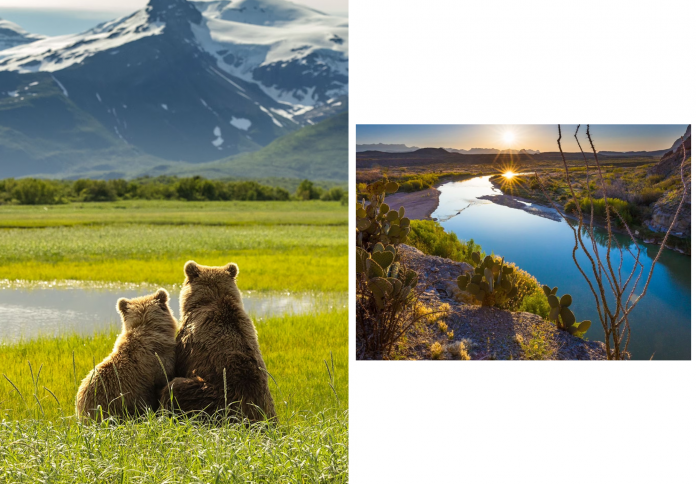
Big Bend National Park in West Texas is a monumental testament to solitude, scale, and geological complexity, encompassing three distinct ecosystems: the dramatic Chisos Mountains, the harsh Chihuahuan Desert, and the life-giving ribbon of the Rio Grande. Named for the great curve, or “big bend,” the river makes through the Chihuahuan Desert, the park is one of the largest and most remote national parks in the contiguous United States, offering an unparalleled sense of isolation and wilderness. It is a world-class destination for geology enthusiasts, recognized globally for its extensive fossil record and stunning rock formations carved by millennia of volcanic activity and erosion. Visiting Big Bend is not just a trip, but an immersion into the harsh beauty and boundless horizon of the American Southwest.
A Geological Wonderland: Desert, River, and Mountain
Big Bend’s dramatic landscape is defined by the coexistence of three contrasting environments, each contributing to its unique geological and biological richness.

The dominant feature is the vast, arid Chihuahuan Desert, characterized by resilient plants like the Ocotillo and various cacti, and extreme temperature swings. Emerging unexpectedly from this desert floor are the Chisos Mountains, the only mountain range in the United States entirely contained within a single national park. The cooler, higher elevations of the Chisos create an “sky island” effect, supporting forests and wildlife not found in the surrounding desert. Cutting through both of these zones is the Rio Grande, the park’s lifeblood and the international boundary with Mexico, which has carved spectacular, sheer-walled canyons that expose ancient layers of sedimentary and volcanic rock.
The Chisos Mountains: An Oasis in the Desert
The Chisos Mountains provide a crucial haven of cooler temperatures, moisture, and diverse flora and fauna, standing in stark contrast to the desert below.
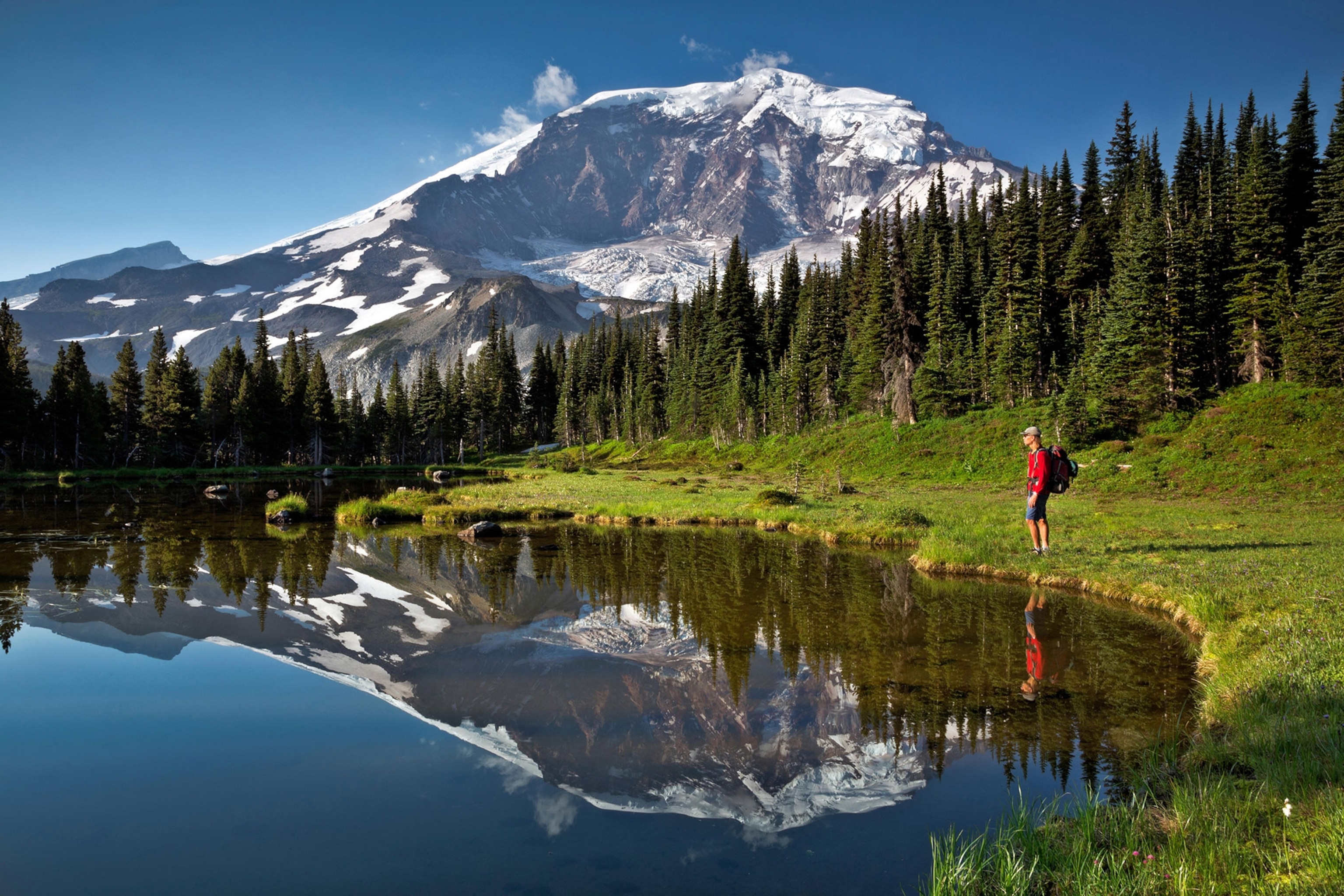
Rising to over 7,800 feet at Emory Peak, the Chisos were formed by extensive volcanic activity millions of years ago, which left behind striking formations like the Window—a massive notch in the mountain ridge through which rain and sunlight frame the distant desert. Due to their elevation, the mountains capture more moisture, sustaining juniper, oak, and pine forests, which in turn support unique wildlife, including the elusive Black Bear and the colorful Colima Warbler, a rare bird found nowhere else in the United States. The Chisos Basin is the park’s primary center for lodging and hiking, offering shaded trails and panoramic views.
The Rio Grande’s Sculptural Canyons
The Rio Grande offers the most intimate and dynamic way to experience Big Bend, having carved three magnificent, sheer-walled canyons through the ancient limestone bedrock.

The most famous of these canyons is Santa Elena Canyon, where the towering limestone walls rise nearly 1,500 feet directly out of the water, creating a stunning, cathedral-like gorge. Paddling down the river through Santa Elena, Mariscal, or Boquillas Canyons offers an unparalleled perspective on the canyon’s scale and geology. Floating trips, whether by canoe or raft, are a popular activity, especially in the spring, allowing visitors to appreciate the river’s power to cut through rock while observing the rich riparian life that thrives along the riverbanks, including numerous species of turtles, birds, and fish.
A Sanctuary of Solitude and Darkness
Big Bend is not only a geological and ecological treasure but is also recognized internationally for its exceptional air quality and magnificent night skies.

The park holds the highest rating of any national park from the International Dark-Sky Association, certifying it as a premier destination for astronomy. Due to its remote location, far from any major urban centers, light pollution is virtually non-existent, allowing visitors to view the Milky Way and billions of stars with stunning clarity. This profound solitude extends to the overall visitor experience; Big Bend consistently ranks among the least-visited parks in the system, meaning hikers and drivers can experience a true sense of wilderness and quiet introspection, where the vast desert sky dominates the senses.