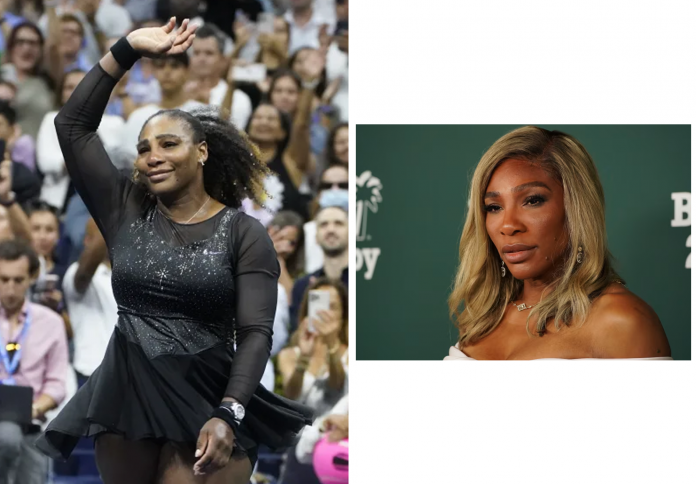
Tennis fans and global media were thrown into a frenzy following reports that legend Serena Williams had quietly re-entered the International Tennis Integrity Agency’s (ITIA) registered testing pool. This procedural step is a mandatory prerequisite for any player returning to professional competition after declaring retirement, instantly fueling speculation that the 23-time Grand Slam champion was preparing a comeback for 2026. However, the rumors were quickly and forcefully extinguished by Williams herself, who took to social media to emphatically deny any plans to return to the court. The incident underscores the intense scrutiny surrounding the 44-year-old’s status and the simple procedural hoops required to keep the option open for the player who famously described her departure as “evolving away” from the sport.
The Return to the ITIA Registered Testing Pool
The initial news that ignited the comeback speculation was the appearance of Serena Williams’ name on an updated list of players in the ITIA’s registered testing pool (IRTP).
The IRTP requires players to provide daily whereabouts information and makes them subject to out-of-competition drug testing at any time. For any player who has officially retired or ceased competition, re-entering this pool and being subject to its full requirements is the first and most necessary step toward any potential return to the WTA Tour. According to ITIA protocol and World Anti-Doping Agency (WADA) regulations, a player must be in the testing pool for a minimum of six months before they are eligible to compete in a sanctioned tournament. Given that Williams’ name reportedly appeared on the list in October, she would theoretically be eligible to return to competition as early as mid-2026, making tournaments like the French Open or Wimbledon technically possible.
Williams’ Swift and Emphatic Denial
Despite the clear procedural implications of re-entering the testing pool, Williams quickly moved to shut down the rampant media speculation regarding a return.
Hours after the news broke, the tennis great posted a direct and unambiguous message on social media (X, formerly Twitter), stating: “Omg yall I’m NOT coming back. This wildfire is crazy-.” This direct denial was her most forceful public statement regarding her playing future since her emotional farewell at the 2022 US Open. While she did not clarify why she re-entered the pool if she has no intention of returning, her post aimed to definitively quell the rising tide of rumors. Her representative and the ITIA both confirmed her status in the pool, with an ITIA spokesperson noting that the move may simply be a way of “giving herself the option” to play again without a guaranteed commitment.
The Reason for Re-entry: Keeping the Door Ajar
The mystery surrounding the why of her testing pool re-entry persists, but most analysts believe it is a calculated move to preserve her future options.
Williams has consistently avoided using the word “retirement” since 2022, preferring the phrase “evolving away” to focus on her family and business ventures. Re-entering the testing pool is a non-committal way to maintain eligibility without having to commit to the grueling training schedule required for a full comeback. Should a unique opportunity arise—such as a potential doubles appearance with her sister, Venus, or an unexpected personal desire to play a specific tournament—she would have already completed the required six-month waiting period. This decision provides the ultimate form of optionality, allowing the former World No. 1 to decide her future on her own terms, possibly at the last minute, without being held back by anti-doping regulations.
Legacy and the Unending Comeback Conversation
The intensity of the media reaction to a simple procedural filing highlights the enduring global fascination with Williams’ career and her status as arguably the greatest of all time.
Even years after her competitive departure, any movement or comment related to her physical readiness or status is instantly magnified. The persistent hope for a comeback stems from her pursuit of Margaret Court’s all-time record of 24 Grand Slam singles titles, a record she narrowly missed matching at the time of her departure. This latest development confirms that the conversation around her return will continue to dominate the tennis world until she either returns to the court or formally and irrevocably closes the door on competition.