Québec, Canada’s largest province, stands apart as a vibrant and complex destination, offering a unique blend of rugged Canadian wilderness, distinct French language and culture, and dynamic urban centers. The region is a compelling fusion of old-world charm, modern design, and breathtaking natural beauty, making it a definitive cultural and outdoor escape. From the historic fortifications of Québec City—the only walled city north of Mexico—to the cosmopolitan energy of Montréal and the immense, unspoiled wilderness stretching up to the Arctic, Québec provides a layered journey. It offers travelers the opportunity to traverse deep history, engage with a distinct North American French identity, and immerse themselves in grand, untouched landscapes, all within a welcoming, sophisticated framework.
Québec City: The Cradle of French North America
The historic core of Québec City remains the province’s cultural and architectural crown jewel, offering an unparalleled sense of European history and romance.
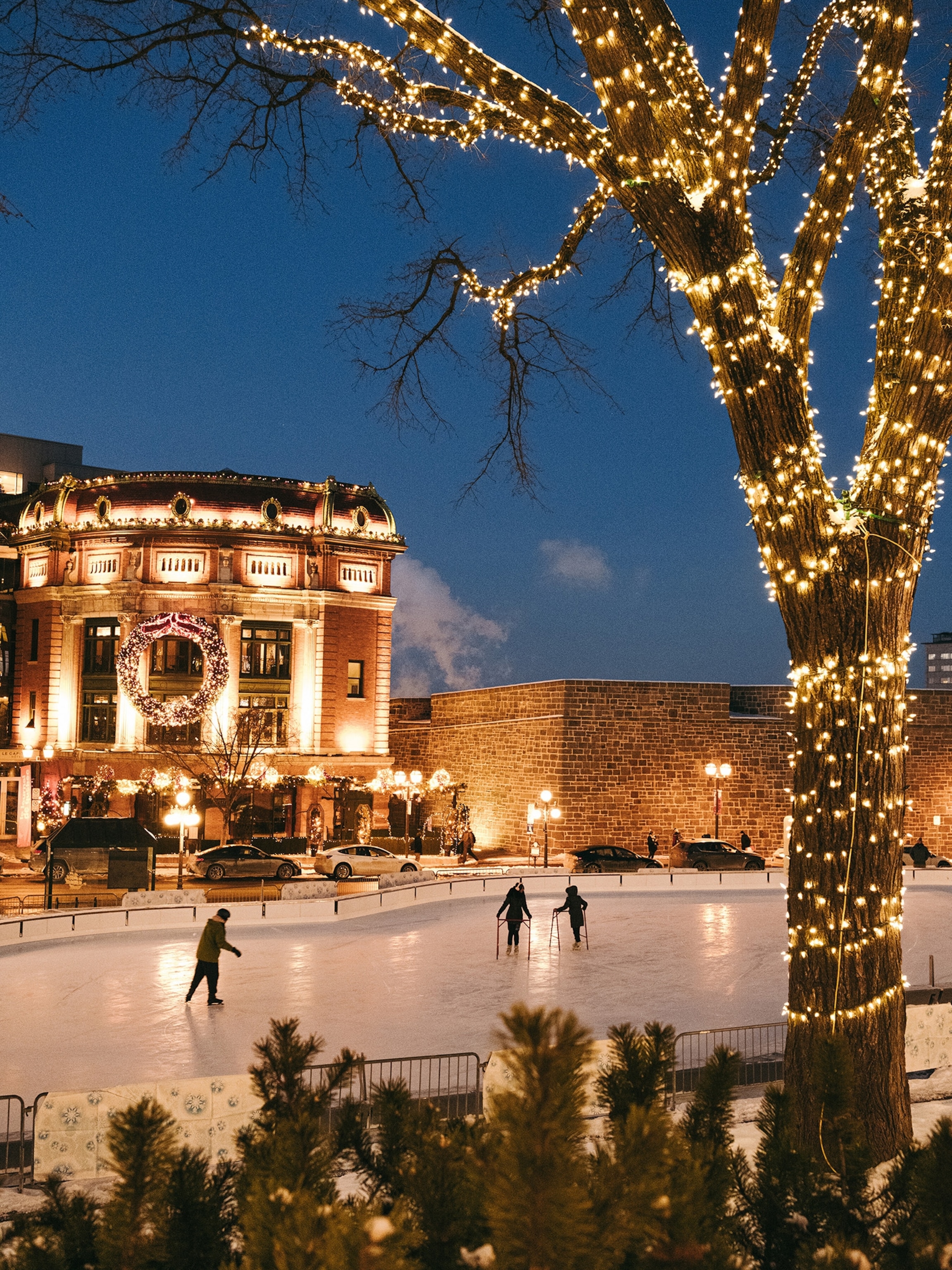
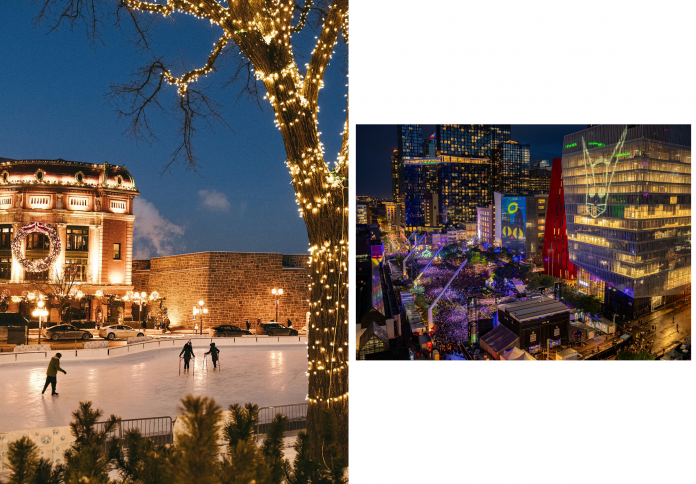
Old Québec, a UNESCO World Heritage site, is defined by its stone ramparts, cobblestone streets, and iconic structures like the Fairmont Le Château Frontenac, dominating the skyline above the St. Lawrence River. This is the only fortified city remaining in North America, preserving its 17th- and 18th-century architecture and atmosphere. The city’s French identity is strongest here, where historic preservation meets modern cultural life. Visitors can explore the Plains of Abraham, site of the decisive colonial battle, or wander the charming Quartier Petit Champlain, fully immersing themselves in a truly European experience transplanted onto the North American continent.
Montréal: A Fusion of Culture and Modern Design
Contrasting the history of the capital, Montréal is Québec’s cosmopolitan engine, a dynamic metropolis celebrated for its bilingualism, creative energy, and unique urban character.
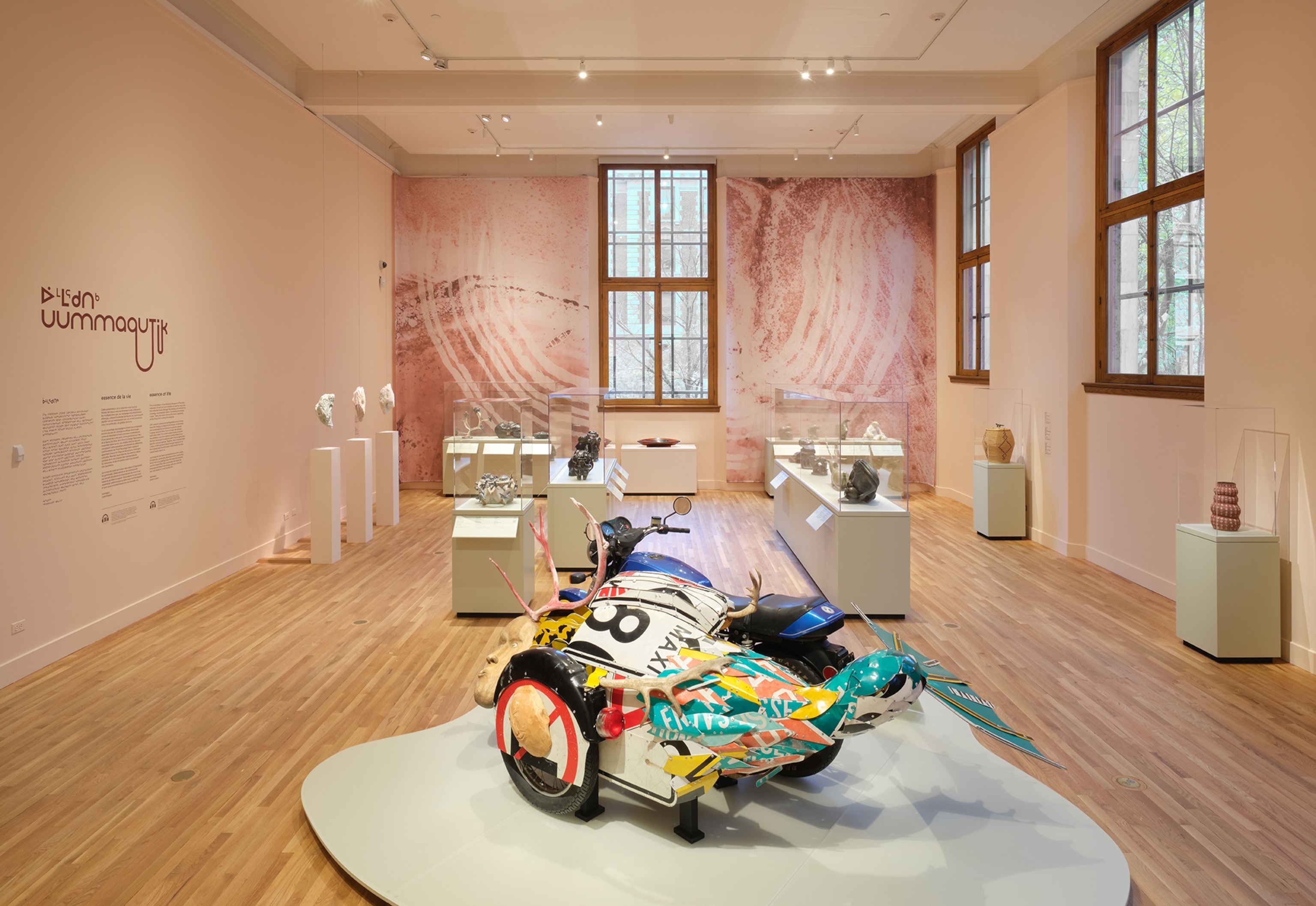
Montréal’s urban landscape is a captivating blend of historic architecture (especially in Old Montréal and the Lachine Canal area) and daring, modernist design. The city is famous for its vibrant cultural scene, hosting major international festivals for jazz, comedy, and film, and is recognized as a UNESCO City of Design. Crucially, the city is built upon a functional underground city (RESO), a vast network of tunnels that connects shopping centers, metro stations, and public spaces, allowing for seamless navigation and comfort, particularly during the harsh Canadian winter. This dual, layered structure makes Montréal a fascinating study in urban resilience and cultural innovation.
The Grand Wilderness: From Rivers to Fjords
Beyond its cities, Québec’s immense geography offers a scale of wilderness that is staggering, defined by vast forests, massive river systems, and dramatic geological features.
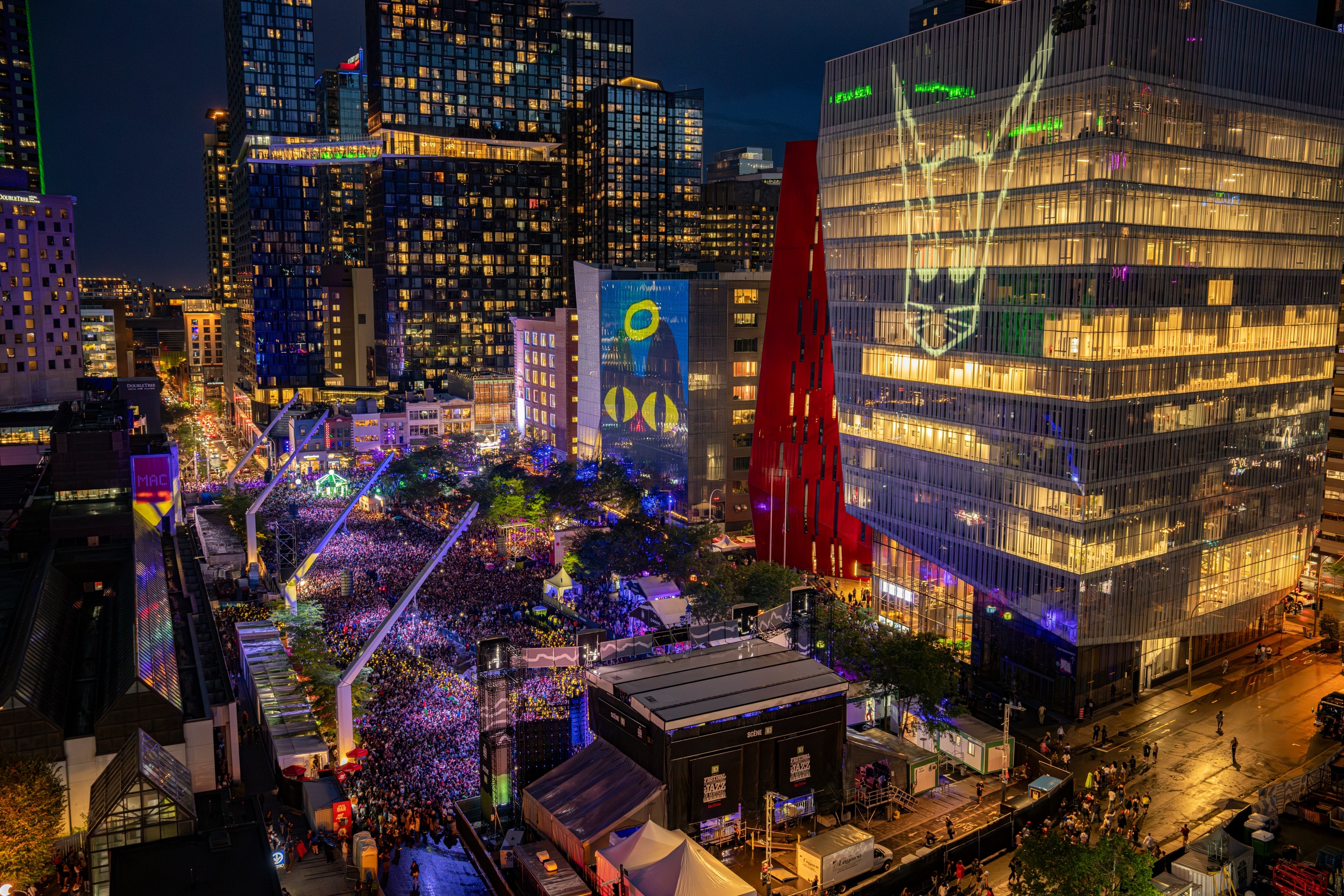
The Saint Lawrence River, a defining artery of the province, connects the Great Lakes to the Atlantic, serving as a critical corridor for maritime traffic and wildlife. The river widens dramatically into an estuary where freshwater meets the sea, making it a prime spot for whale watching, particularly belugas and migrating fin and humpback whales, notably near the Saguenay-St. Lawrence Marine Park. Further north, the Saguenay Fjord National Park offers spectacular, deep-water fjords carved by glaciers, providing dramatic scenic drives and opportunities for sea kayaking and hiking along sheer cliffs. The sheer size of this preserved landscape reinforces Québec’s position as a premier destination for grand-scale, eco-tourism adventures.
The Taste of Tradition: Cuisine and Maple Heritage
Québec’s culinary identity is a delicious reflection of its history, blending French technique with hearty North American ingredients and a unique appreciation for its foundational agricultural product: maple syrup.
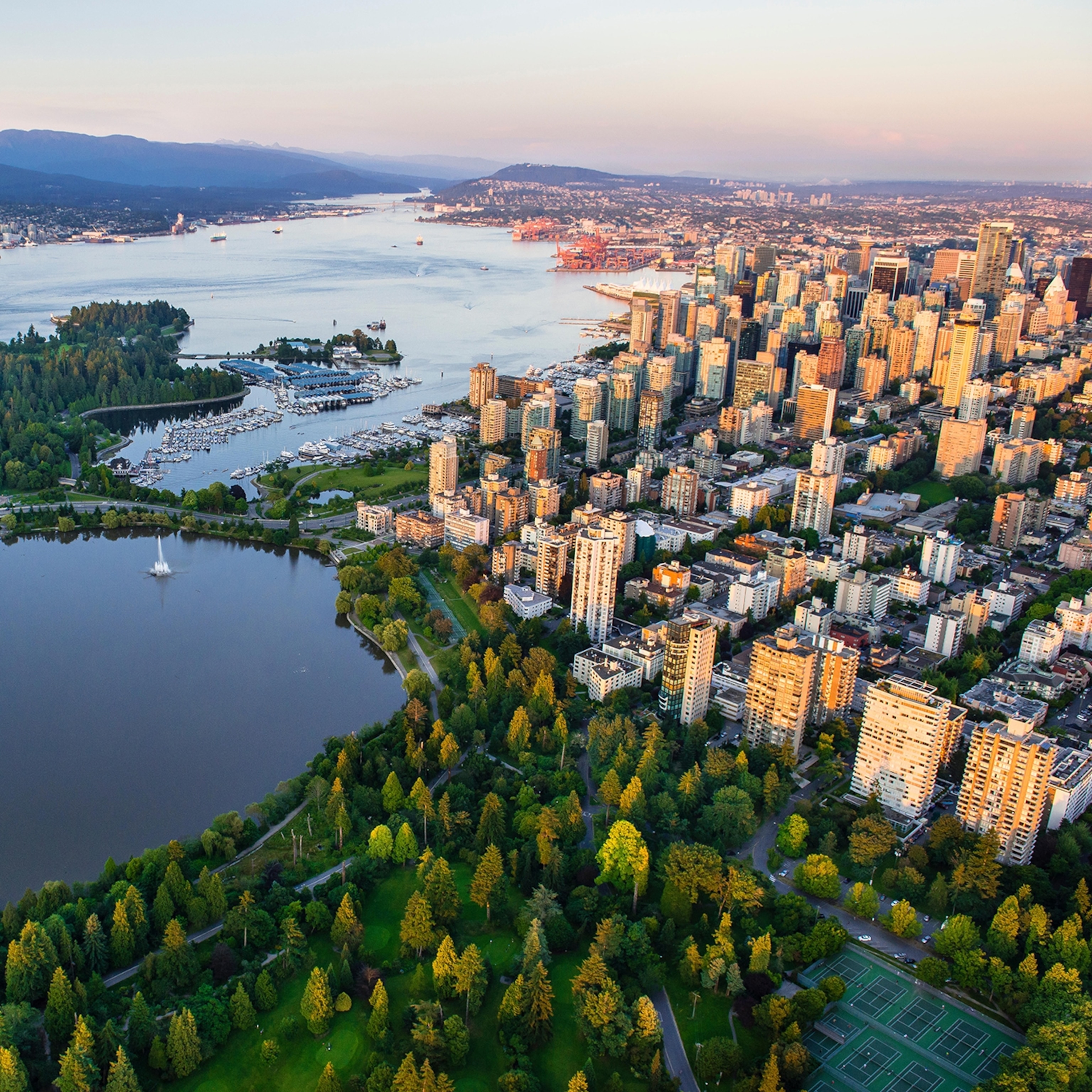
Québécois cuisine is characterized by rich, comforting dishes perfectly suited for the long winters. Iconic foods include Poutine (fries, cheese curds, and gravy) and savory meat pies (tourtière). However, the true culinary heritage lies in Maple Syrup. Québec is the world’s largest producer, and the syrup is a celebrated ingredient that permeates the culinary landscape, from candies and baked goods to savory glazes. Experiencing a traditional sugar shack (cabane à sucre) during the spring harvest is a quintessential cultural event, offering a deep dive into local traditions and the sweet taste of the region’s agricultural past.