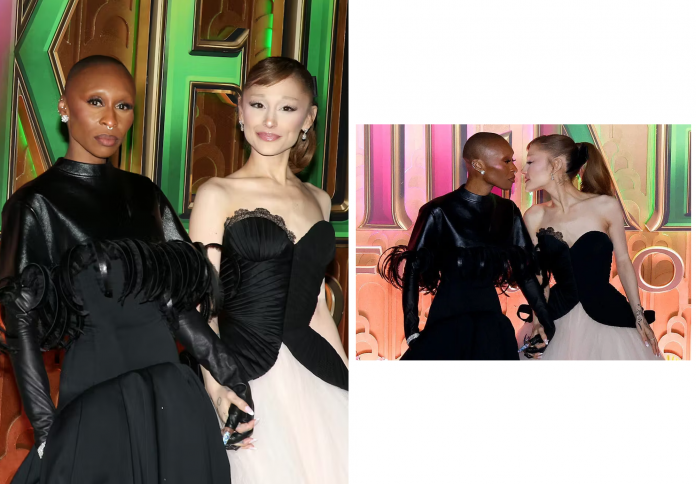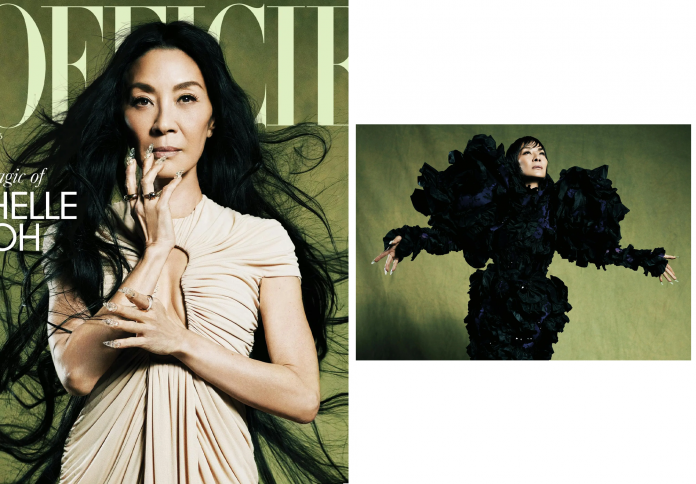
Michelle Yeoh, the Academy Award-winning actress renowned for her work in action cinema and, more recently, for critically acclaimed dramatic roles, has brought her signature gravitas and grace to the cinematic adaptation of the Broadway phenomenon, Wicked: For Good. Yeoh steps into the role of Madame Morrible, the Headmistress of Shiz University, a character pivotal to the destinies of Elphaba and Glinda. In a candid interview, Yeoh discusses the transition from martial arts choreography to musical theater, the responsibility of entering a beloved universe, and her deep appreciation for stories that celebrate female mentorship and complex journeys. For Yeoh, the film is not just a fantasy spectacle; it is a timeless narrative about embracing one’s true identity, a theme that resonates deeply with her own groundbreaking career.
The Transition: From Action Hero to Shiz Headmistress
Yeoh’s career has been defined by physicality and precision, making her pivot to musical theater, a genre that demands vocal performance and highly stylized movement, a fascinating transition.

The actress shared her immediate excitement at joining the Wicked universe, acknowledging the profound impact the stage musical has had globally. She highlighted the challenge and exhilaration of working within the established, theatrical language of the Wicked world, which required a different kind of preparation than her martial arts roles. For her, Madame Morrible is a figure of immense authority and power, which she approached with the same focus she brings to her action roles: mastering the subtle choreography of Morrible’s command. She found the character’s blend of elegance and manipulative force a compelling shift from the outright heroism she is often known for, allowing her to explore a darker, more ambiguous maternal authority.
Madame Morrible: The Master of Influence
Yeoh offered profound insights into her portrayal of Madame Morrible, viewing the Headmistress not merely as a villain, but as a complex catalyst whose ambition shapes the fate of Oz.

She emphasized that Morrible’s actions, while ultimately manipulative, are driven by a deep desire for power and control within the politically charged environment of Oz. Morrible is the key figure who recognizes Elphaba’s raw, green talent and decides to harness it, setting the central drama in motion. Yeoh worked to imbue the character with a stern but magnetic presence, showcasing how Morrible uses influence and flattery, rather than magic alone, to achieve her goals. This portrayal aims to give the audience a deeper understanding of the motivations behind the character’s crucial role in the girls’ lives, highlighting the powerful, and sometimes corrupting, nature of mentorship.
Working Within a Legacy: Respecting the Wicked Canon
Joining a cultural phenomenon like Wicked carries the weight of fan expectation, a responsibility Yeoh took seriously, focusing on honoring the musical’s established themes while bringing her own perspective.

Yeoh stated that the entire cast and crew felt an obligation to the source material, recognizing the millions of fans who cherish the musical’s story, music, and central message. She praised director Jon M. Chu for his collaborative approach, which sought to translate the magic of the stage production into a vibrant, emotional cinematic language without sacrificing the narrative depth. She found the exploration of female friendship—the central dynamic between Elphaba and Glinda—to be the most rewarding part of the experience. The film is less about a fairy tale and more about the complexities of rivalry, loyalty, and how women shape each other’s destinies, a theme she believes is timeless and deeply resonant today.
The Power of the Odyssey: Identity and Transformation
Reflecting on her career, Yeoh drew parallels between the Wicked narrative and the many personal journeys she has embodied on screen, focusing on themes of identity and self-acceptance.

She noted that like Elphaba, who is judged and ostracized for her green skin, many of her own groundbreaking roles involved characters fighting to be understood and accepted on their own terms. Yeoh spoke passionately about the film’s message: the necessity of embracing one’s perceived flaws as unique strengths. This philosophy of authentic self-expression is what she feels gives Wicked its enduring power. The journey of the main characters—from rivals to complex friends—is an odyssey of transformation, mirroring the arc of her own career, which has evolved from defying physical limitations to conquering dramatic and musical roles with equal tenacity.