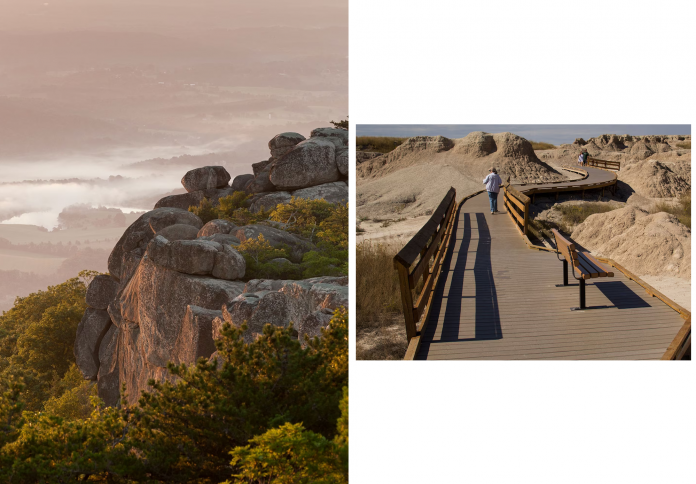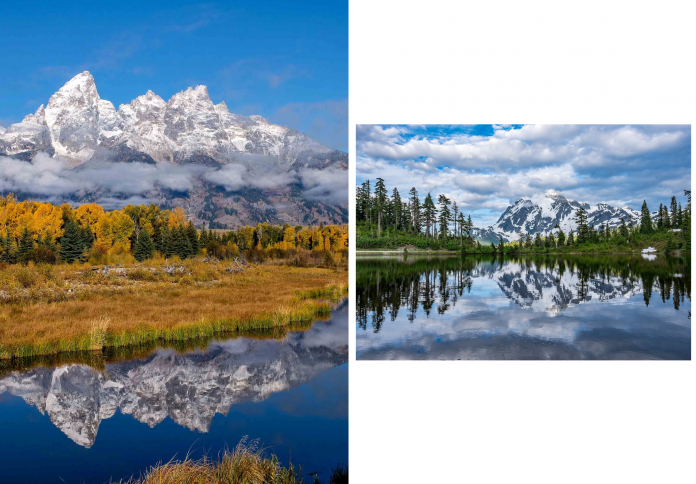
The United States National Park System stands as a monumental testament to conservation, encompassing over 400 unique sites, with the iconic 63 National Parks at its core. These preserved lands represent the most spectacular and diverse natural and cultural landscapes the nation has to offer, ranging from the volcanic majesty of Hawaii Volcanoes to the glacier-carved peaks of Denali and the submerged coral ecosystems of the Dry Tortugas. The photographs that capture these places are more than mere images; they are a vital form of advocacy, illustrating the profound aesthetic and ecological value of public lands. They inspire stewardship, drawing millions of visitors annually and reinforcing the imperative to protect these invaluable natural treasures for future generations to experience and cherish.
The Diversity of Landscape: From Desert to Tundra
The sheer geographical and ecological diversity contained within the US National Park System is staggering, offering a spectrum of landscapes that represent every major biome on the continent.

In the American West, the Parks showcase dramatic geological forces, exemplified by the deep canyons of Zion and the otherworldly rock formations of Arches. These arid and semi-arid environments highlight the power of wind and water erosion over millennia. Conversely, Parks in the Pacific Northwest, like Olympic, boast temperate rainforests, characterized by towering old-growth trees, dense mosses, and high annual rainfall. Moving north to Alaska, Parks such as Gates of the Arctic protect vast expanses of roadless wilderness and Arctic tundra, revealing the brutal, yet delicate, beauty of extreme northern ecosystems. This varied geography ensures that the National Park experience offers a unique window into the Earth’s natural history across the continent.
Iconic Photography: Capturing Scale and Sublime Beauty
Photography has always been intrinsically linked to the National Park idea, serving as the most powerful tool for conveying the vast scale and sublime beauty of these protected areas to the public.

Early photographers, like Ansel Adams, used their lenses to transform mere landscapes into national symbols, helping to fuel the conservation movement. Modern photographers continue this tradition, often employing techniques that emphasize the human scale in relation to the monumental environment—a tiny figure standing beneath a massive sequoia or overlooking the expansive valley of Yosemite. The challenge is capturing the overwhelming sense of space and the quality of light—whether it is the golden hour glow on the sandstone cliffs of Canyonlands or the ethereal morning mist rising off the peaks of the Great Smoky Mountains. These images function as powerful calls to action, inspiring viewers to visit and protect the landscapes they capture.
Beyond Scenery: Preserving Cultural and Historical Legacies
While famous for their natural beauty, the National Parks also hold profound cultural and historical significance, preserving sites critical to the American narrative.

Many Parks were established not just for their geological features, but to protect the lands and cultural heritage of Indigenous Peoples who have lived there for millennia. Sites within Parks like Mesa Verde preserve ancient cliff dwellings and archaeological evidence of past civilizations. Furthermore, Parks protect important elements of American history, such as the sites associated with the formation of the nation and the Civil Rights Movement. The inclusion of these cultural and historical sites within the National Park framework ensures that the conservation effort encompasses both the natural environment and the human stories embedded within it, providing a more complete picture of the nation’s heritage.
The Role in Conservation: Ecosystem and Wildlife Sanctuaries
The National Parks are the United States’ most vital sanctuaries for native wildlife and intact ecosystems, playing a critical role in continental conservation.

These vast protected areas provide crucial habitat for species that require large territories, such as the bison and wolves of Yellowstone, and the endangered Florida panther in the Everglades. The Parks serve as living laboratories where scientists monitor climate change impacts, ecosystem health, and wildlife migration patterns. By limiting development and managing human impact, the National Park Service allows natural processes to continue, supporting biodiversity and acting as essential gene pools for threatened and endemic species. The Parks are thus not just scenic destinations, but essential components of the continent’s ecological resilience.