Brazil, a nation of colossal size and unparalleled biodiversity, is home to the most significant natural wonders in the Western Hemisphere, encompassing the planet’s largest rainforest, the world’s greatest waterfalls, and a vast, unique wetland. Its natural landscapes are defined by extremes: the sheer scale of the Amazon Rainforest, the raw power of Iguazú Falls, and the rich, concentrated wildlife of the Pantanal. These sites collectively represent an essential global heritage, offering travelers a profound immersion into complex, vibrant ecosystems unlike anywhere else on Earth. Exploring Brazil’s natural wonders is not just a journey through magnificent scenery, but a vital confrontation with the urgent issues of conservation and the magnificent, irreplaceable diversity of life.
The Amazon: The Beating Heart of Planetary Biodiversity
The Amazon Rainforest and River Basin remain Brazil’s single most important natural wonder, representing the largest and most biodiverse tropical forest ecosystem in the world.
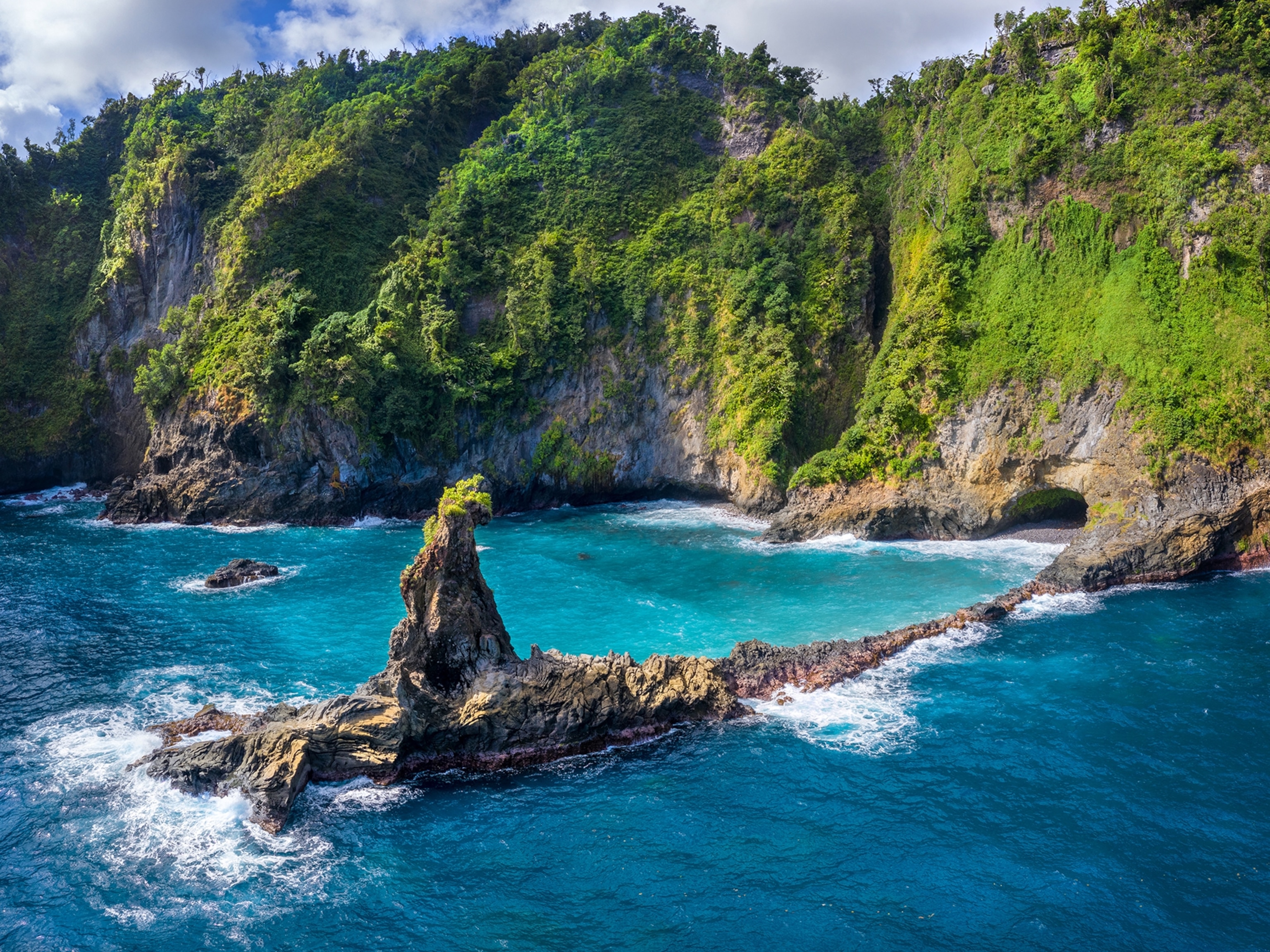
The sheer scale of the Amazon is difficult to comprehend; it is a vital engine for global climate and biodiversity, holding an estimated 10% of the world’s known species. The experience here is one of sensory overload, dominated by the dense canopy, the cacophony of wildlife, and the colossal flow of the river itself. Travel is primarily river-based, with opportunities for guided jungle hikes, birdwatching, and cultural exchanges with Indigenous communities who have served as the stewards of this vast region for millennia. Exploring the Amazon is an exercise in profound humility, demonstrating the unbridled power and complexity of nature’s most intricate ecosystem.
Iguazú Falls: The Unmatched Power of Water
Located on the border with Argentina, Iguazú Falls is widely considered the most spectacular waterfall system in the world, eclipsing even Niagara and Victoria Falls in sheer visual volume and complexity.
Iguazú consists of hundreds of individual cascades and torrents, spanning nearly 1.7 miles and plunging into a narrow canyon, culminating in the terrifying chasm known as the Garganta del Diablo (Devil’s Throat). Viewing the falls from the Brazilian side offers the best panoramic perspective, allowing visitors to grasp the true, overwhelming scale of the semi-circular curtain of water. The surrounding national park is a sub-tropical rainforest, rich with unique species of flora and fauna. Witnessing Iguazú is an immediate, visceral experience of the immense, erosive power of water and one of the most dramatic spectacles of nature on the South American continent.
The Pantanal: The Concentrated Wildlife Sanctuary
A vital ecological counterpoint to the Amazon, the Pantanal is the world’s largest tropical wetland area, renowned for its concentrated density and visibility of wildlife.
Unlike the dense canopy of the Amazon where animals can be difficult to spot, the open marshes, grasslands, and flooded savannas of the Pantanal make wildlife viewing exceptionally reliable. It is the premier place in South America to spot iconic species such as the capybara, giant river otter, caiman, and especially the elusive jaguar. The best way to experience the Pantanal is through staying at remote working ranches (fazendas) that offer guided boat trips, horseback riding, and specialized photographic safaris, immersing visitors in the seasonal cycles of flooding and drying that govern this immense, life-rich environment.
Lençóis Maranhenses: The Desert of Blue Lagoons
One of Brazil’s most visually surreal and unique natural wonders is the Lençóis Maranhenses National Park in the Northeast, a landscape that defies traditional categorization.
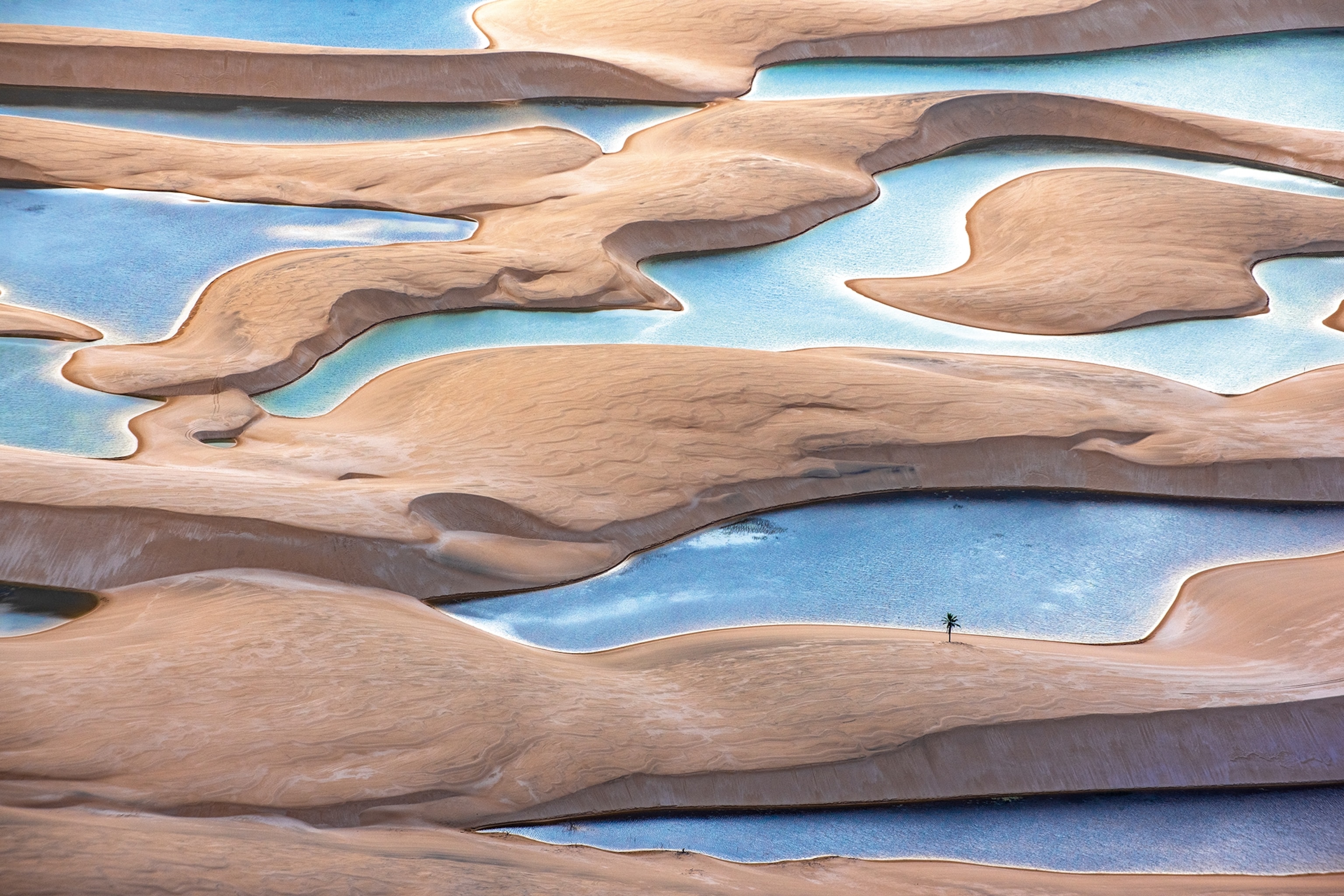
This park is not a true desert but a vast area of brilliant white sand dunes that stretch inland from the Atlantic coast. The defining feature is the thousands of shimmering, temporary freshwater lagoons that fill the valleys between the dunes during the rainy season. This geological anomaly creates a breathtaking mosaic of white sand and bright blue water, offering unique opportunities for swimming, photography, and guided trekking. This striking landscape challenges perceptions of what a “coastal” or “desert” environment can be, making it an essential destination for travelers seeking truly unique, otherworldly beauty.