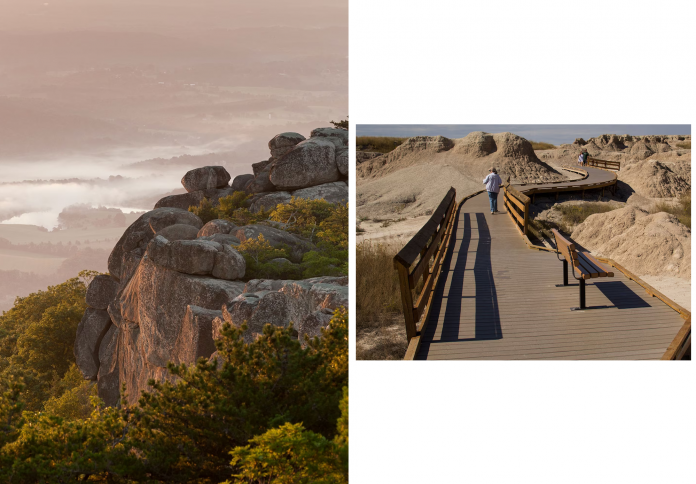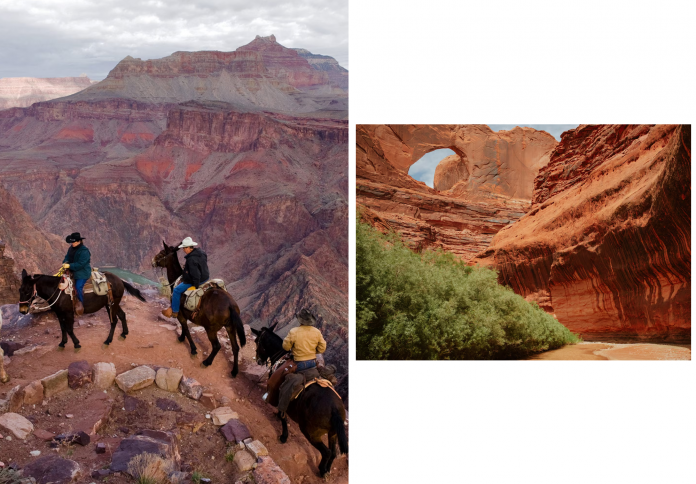
While the Grand Canyon stands paramount as one of the world’s greatest natural wonders, the appeal of the region extends far beyond its multi-hued cliffs. The vast expanse of land surrounding the National Park in Northern Arizona is a treasure trove of historical sites, rich Indigenous communities, and exhilarating outdoor adventures often overshadowed by the Canyon’s sheer immensity. For travelers looking to extend their journey and fully explore the Colorado Plateau region, a wealth of experiences awaits, from nostalgic Route 66 towns and ancient ruins to lesser-known hiking trails. Venturing outside the Park’s immediate rim reveals the true essence of the American Southwest: a complex tapestry woven from breathtaking geological formations and deep cultural heritage.
Discovering Indigenous Heritage: Wonders and Culture
The area surrounding the Grand Canyon is the heartland of several Native American cultures, offering visitors a rare opportunity to connect with the history and living traditions of the Navajo and Hualapai tribes.
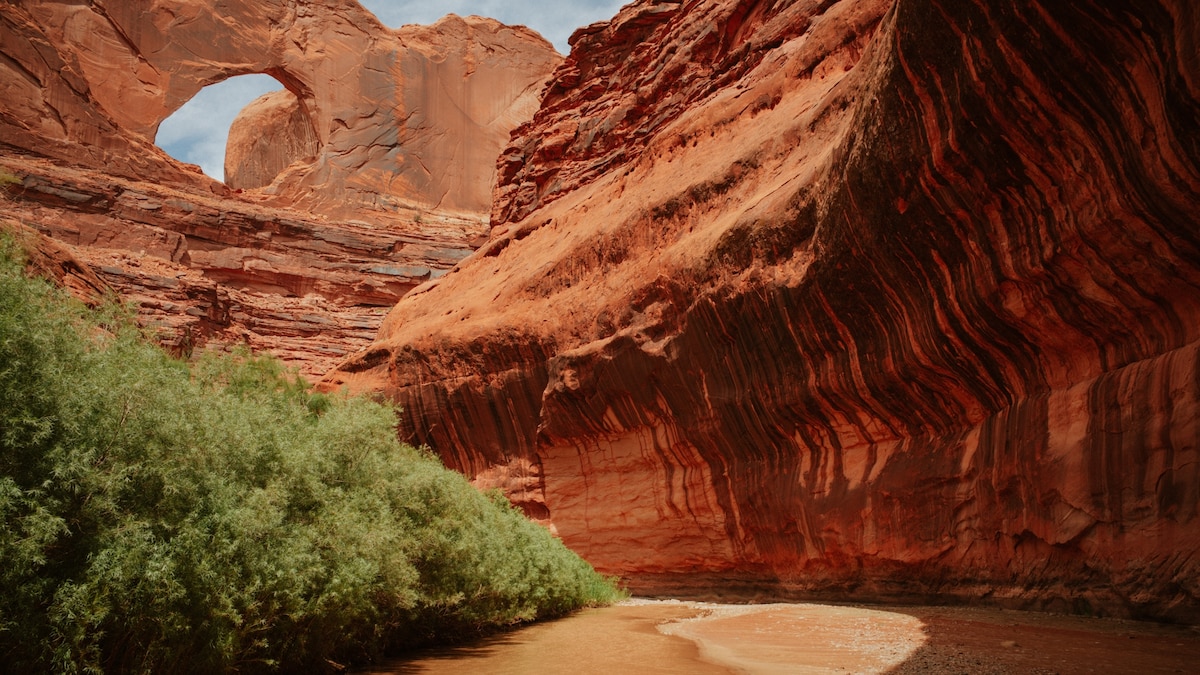
One of the most visually stunning destinations is Horseshoe Bend, located near Page, Arizona, within the Navajo Nation lands. While a geological marvel itself, it sits within a region of profound cultural significance. Nearby is Antelope Canyon, famous for its narrow slot canyons and ephemeral light beams. Visiting these slots is mandatory with a Navajo guide, which provides a respectful and immersive experience into the local history and the way these tribes have protected and served as stewards for their natural heritage.
The experience of traversing these lands under the guidance of local experts is invaluable. The Navajo Nation, in particular, offers tours and experiences that share their deep connection to the land—their traditional beliefs are inextricably linked to the canyons, mesas, and rivers of the plateau. Engaging with these communities provides context that transforms the scenic experience into a meaningful cultural exchange, highlighting the centuries of human presence that predate the establishment of the National Parks.
Traveling Through Time: The Allure of Route 66
For enthusiasts of nostalgia and American road history, the towns near the Grand Canyon serve as portals to explore well-preserved segments of the legendary Route 66.
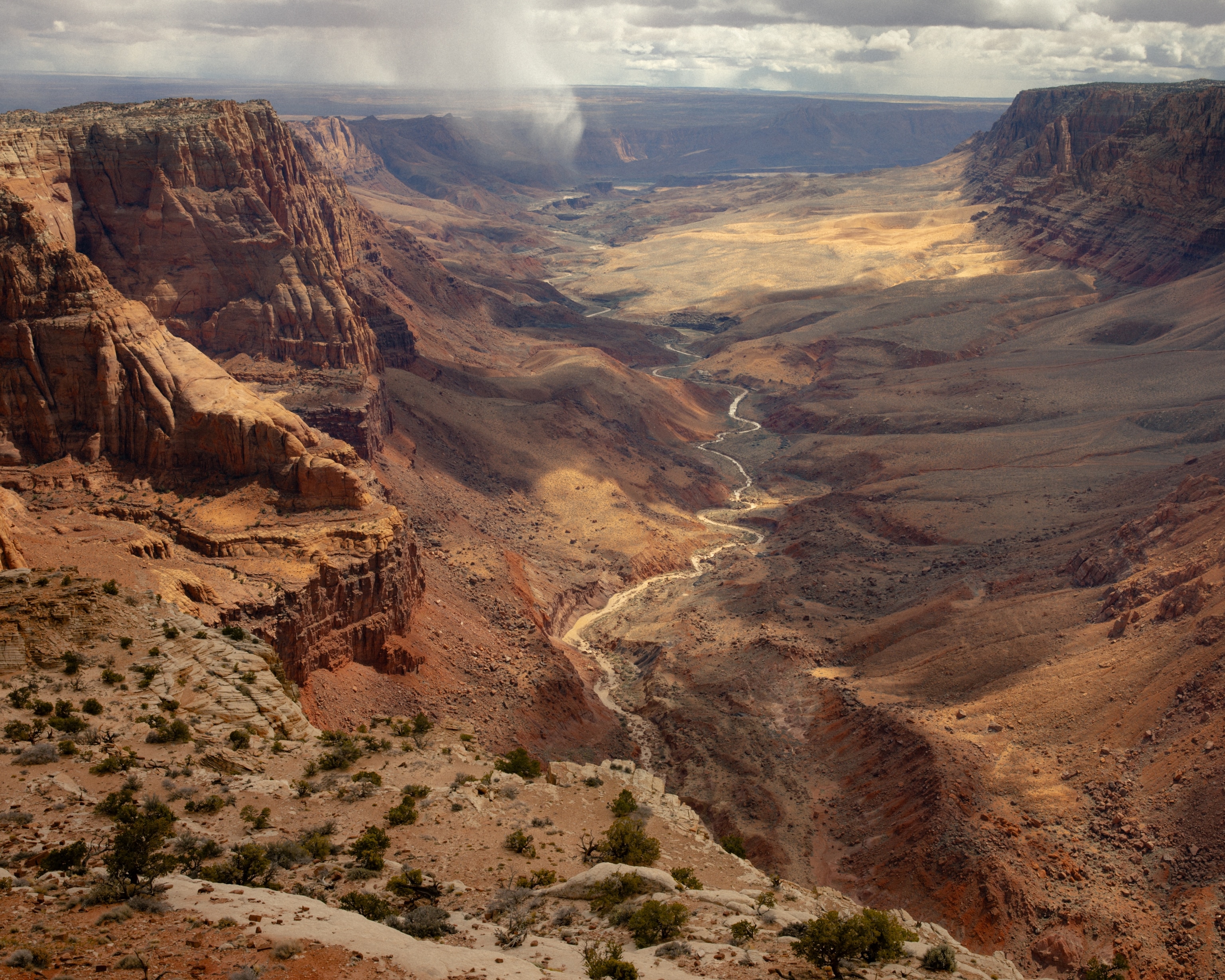
Towns such as Williams and Seligman in Arizona have lovingly maintained the retro architecture and ambiance of the highway’s mid-century golden age. Williams, often dubbed the “Gateway to the Grand Canyon,” is not just a critical pit stop but the departure point for the Grand Canyon Railway, a historic steam-era train that ferries visitors directly to the South Rim. Exploring these small towns, with their classic diners and roadside memorabilia shops, offers a delightful immersion into the era of American automotive travel.
Seligman, notably, holds the distinction of being the birthplace of the historic preservation effort for Route 66 and retains an authentic, unhurried charm. These historic drives provide an essential contrast to the raw, untamed nature of the canyon itself. They ground the journey in a distinctly human, cultural past, enriching the geological exploration with a sense of historical continuity and the enduring mythology of the American road trip.
From South Rim to Vermilion Cliffs: The Less-Traveled Paths
For travelers seeking unique perspectives and less-crowded outdoor adventures, the areas to the North and Northeast of the Grand Canyon provide a sharp contrast to the busyness of the South Rim.
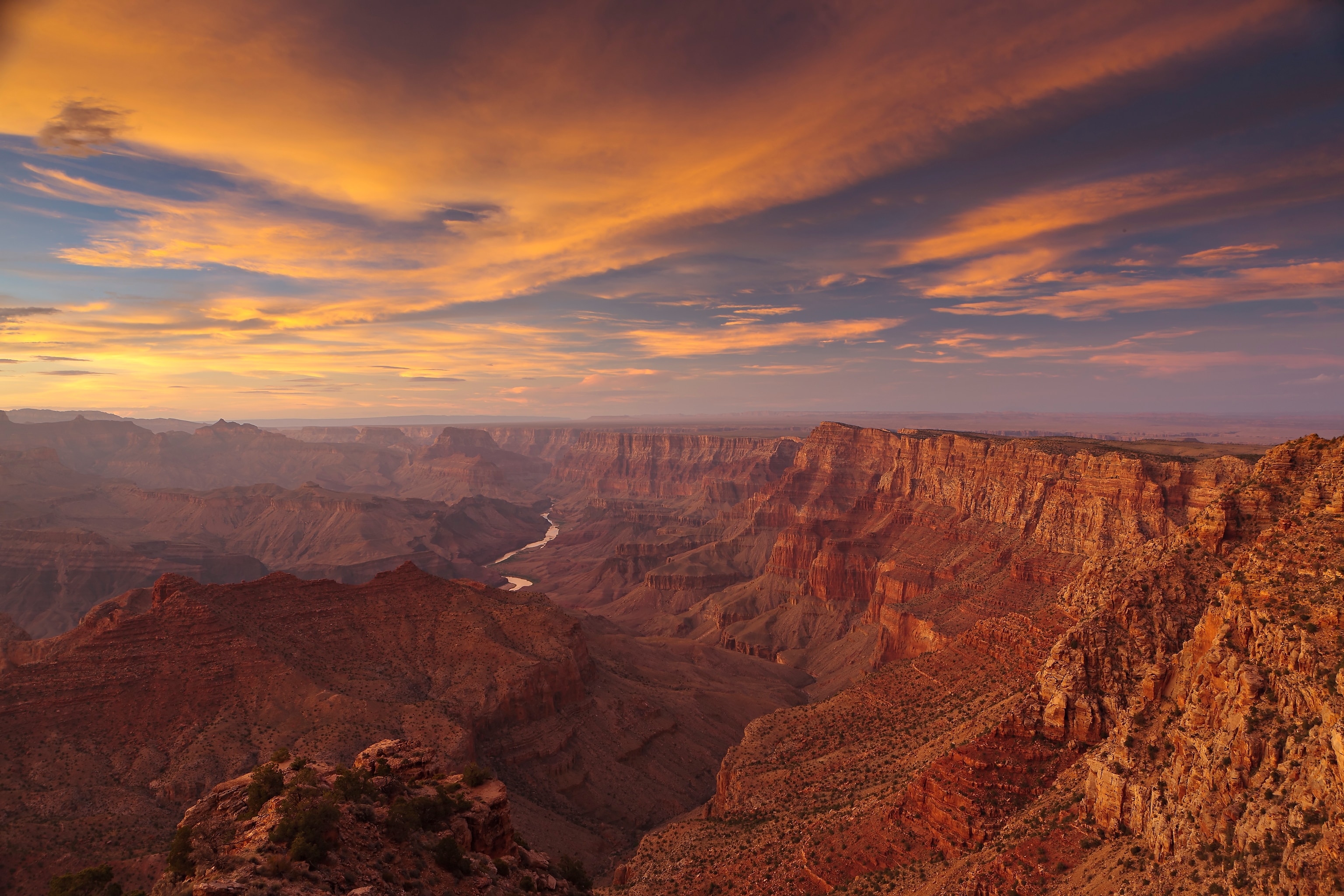
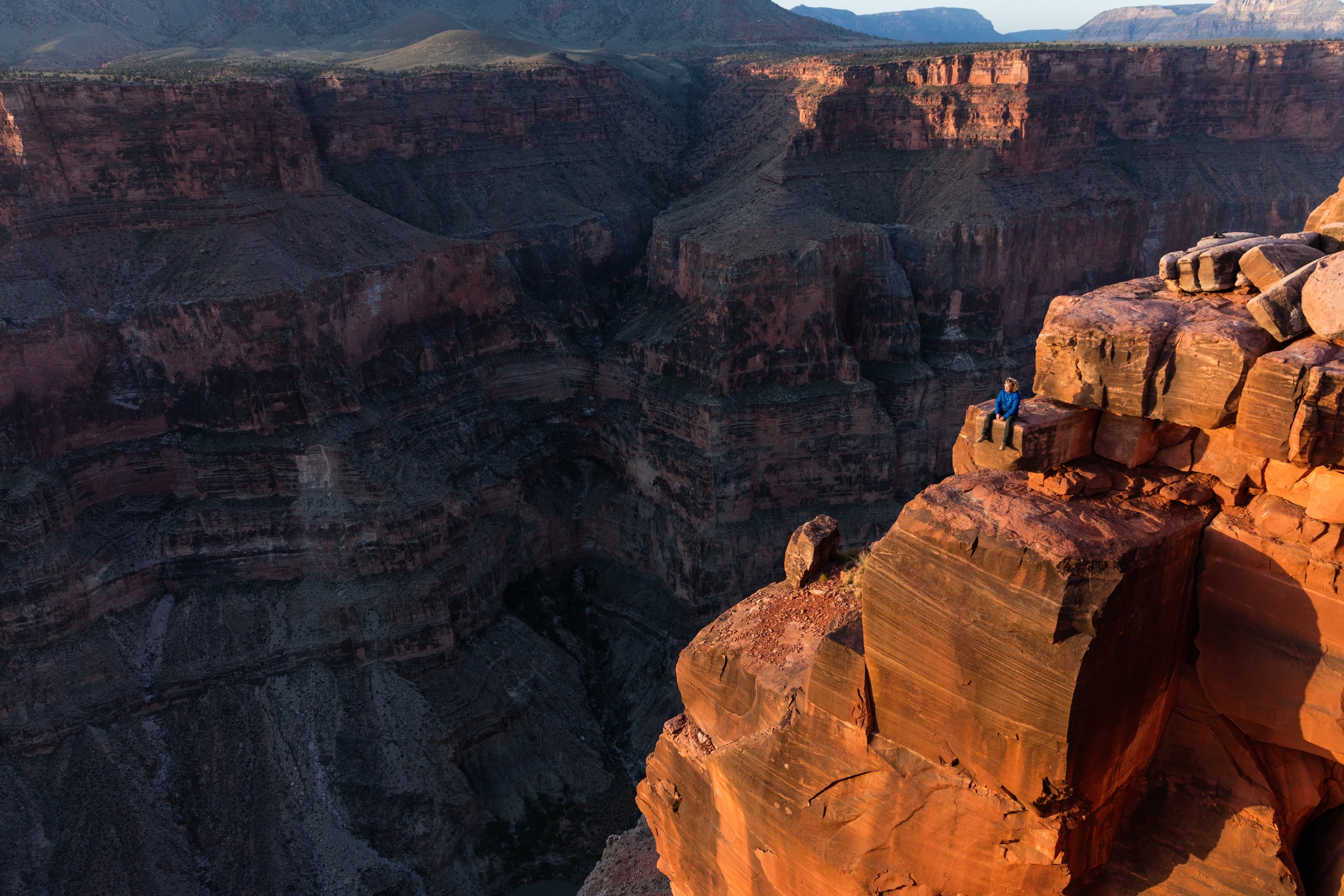
The North Rim, though still part of the National Park, receives only about 10% of the visitor traffic. This area is higher in elevation, cooler in climate, and covered in extensive forests, offering a more solitary experience and challenging backcountry hiking trails. The views from the North Rim tend to be quieter and broader, focusing on the sheer depth of the canyon. Further north, the Vermilion Cliffs National Monument is home to famous geological wonders like The Wave, although visiting requires securing a highly competitive permit.
These remote areas appeal to seasoned adventurers willing to drive further and embrace the challenge of less accessible terrain in exchange for solitude and unparalleled photographic opportunities. The absence of large crowds allows for a deeper, more personal connection with the scale and silence of the landscape, offering a different, equally magnificent appreciation of the canyon’s geological narrative.
Geological Detours: Exploring Ancient Volcanic and Impact Sites
The land immediately south of the Grand Canyon, near the city of Flagstaff, reveals an entirely different geological history—one defined by volcanism and dramatic cosmic impacts.
The Sunset Crater Volcano National Monument stands as evidence of eruptions that occurred only about 1,000 years ago, creating vast black lava fields and a beautifully colored cinder cone. Nearby is the Wupatki National Monument, which preserves ancient Pueblo ruins and structures, showing how early cultures adapted and thrived on the volcanic landscape. These sites offer a fascinating lesson in the dynamism of Earth’s crust and the resilience of early inhabitants.
Further adding to the geological narrative is the Meteor Crater, a massive, privately owned and exceptionally well-preserved impact site formed by a meteorite thousands of years ago. These side trips beautifully complement the grandeur of the Canyon by exploring the other colossal forces that have shaped the Southwest—not just river erosion, but fiery eruptions and celestial collisions. They provide a comprehensive geological education alongside the stunning scenery.