Congaree National Park in South Carolina protects the largest contiguous tract of old-growth bottomland hardwood forest remaining in the southeastern United States. Often referred to as “America’s Amazon,” this park is not defined by mountains or deserts, but by the slow, powerful rhythms of the Congaree and Wateree rivers which regularly flood the area, depositing nutrient-rich sediments. These annual flood cycles are responsible for cultivating a unique and biologically rich ecosystem that harbors some of the tallest trees in eastern North America, creating an astounding ‘champion tree’ forest. Visiting Congaree is a deeply immersive experience, a journey into a dense, humid, and primeval environment where the forest floor and the dark, flowing waters intertwine.
The Champion Tree Forest
The most distinguishing and awe-inspiring feature of Congaree is its immense, towering canopy, which holds numerous national and state champion trees.
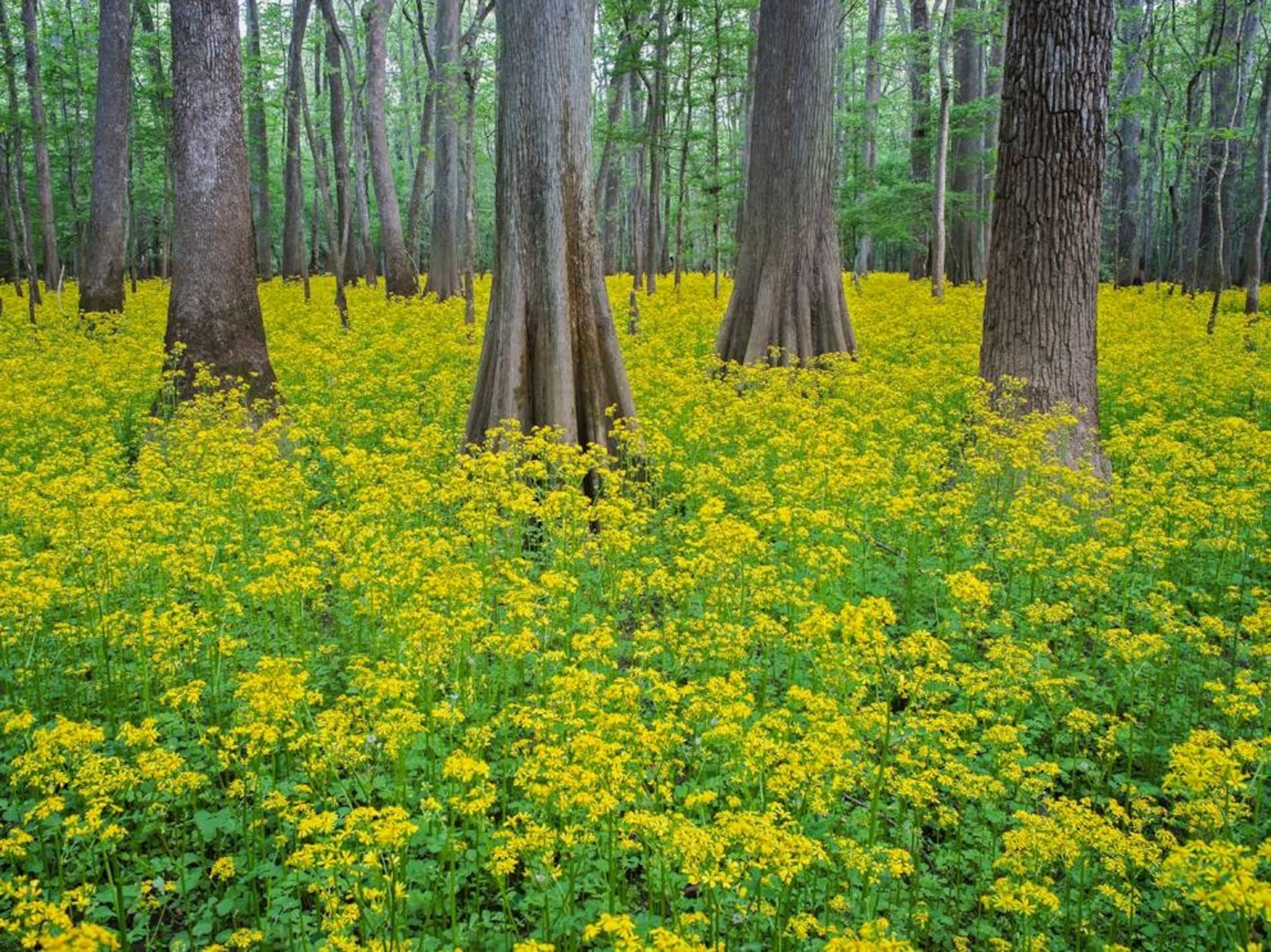
The periodic flooding of the park’s low-lying river delta deposits silt and nutrients, leading to exceptionally fertile soil. This, combined with the hot, humid climate, allows trees to reach colossal sizes. Species like Loblolly Pine, Bald Cypress, and Water Tupelo soar to over 150 feet, competing for sunlight and creating one of the tallest temperate deciduous forests in the world. This old-growth status means the forest has never been clear-cut, preserving its original structure and complexity, and offering visitors a breathtaking sense of scale and age that is rare in the modern Eastern landscape.
The Role of the Floodplain Ecosystem
The entire Congaree ecosystem is fundamentally dependent on the annual flooding cycle of the surrounding rivers, which define its biology and geology.

The park is a bottomland hardwood forest, meaning it occupies the low-lying floodplain. When the Congaree River crests, typically in late winter or spring, it spills over its banks, inundating the forest floor. This seasonal inundation provides vital moisture and delivers essential nutrients that sustain the immense plant life, while simultaneously shaping the landscape. The floodwaters constantly rearrange the soil, create oxbow lakes, and dictate the distribution of plant communities. The ecosystem is resilient, with trees and animals adapted to survive and thrive in this dynamic, amphibious environment of wet and dry seasons.
Canoeing and Kayaking: The Water Trails
The best and most unique way to explore the heart of Congaree National Park is by getting onto its water trails, offering a profoundly quiet and intimate wilderness experience.

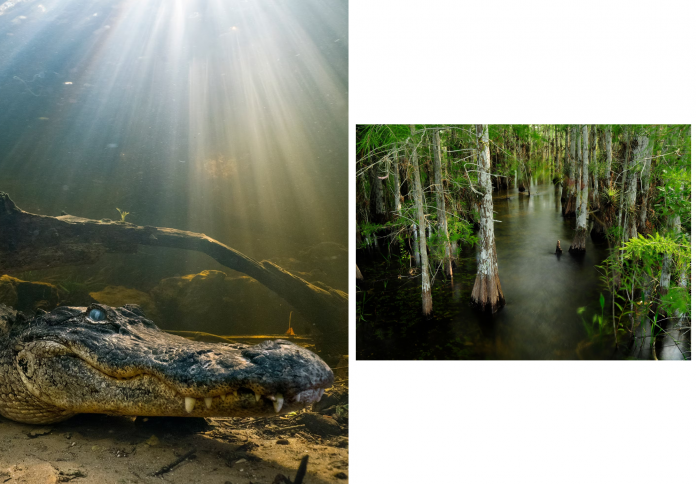
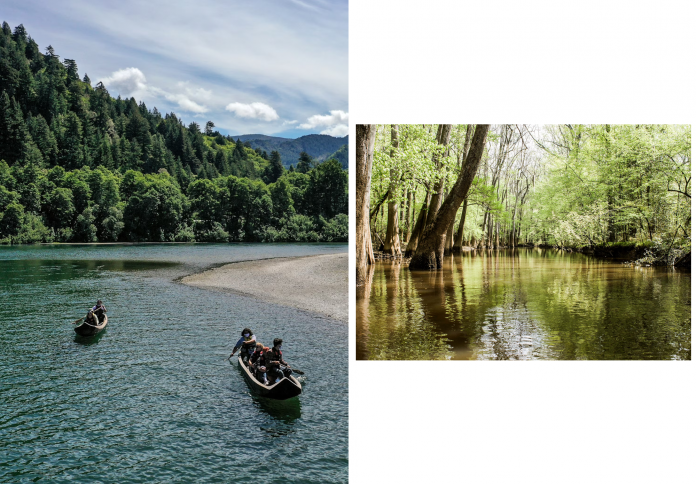
The park maintains a designated Cedar Creek Canoe Trail, a marked water path that weaves through the core of the swamp forest, offering a close-up view of the giant cypress and tupelo trees rising out of the dark water. Paddling through the narrow, twisting creek allows visitors to glide silently beneath the massive canopy, observing wading birds and perhaps catching a glimpse of the park’s elusive otters or alligators. This mode of transportation truly highlights the park’s amphibious nature, where the forest floor transitions seamlessly into the creek bottom, blurring the line between land and water.
Above the Swamp: The Boardwalk Trail
For visitors who prefer to stay on dry land, the park’s famous elevated boardwalk offers a comfortable and accessible way to experience the giant forest canopy.

The Boardwalk Loop Trail is a 2.4-mile path that winds through the densest part of the old-growth forest, elevated above the sometimes-flooded swamp floor. This trail allows all visitors, regardless of mobility, to immerse themselves in the deep wilderness without needing to navigate mud or water. The boardwalk provides unique viewing opportunities, allowing visitors to look up at the soaring heights of the champion trees and observe the ecological layers of the forest, from the wet understory to the sun-dappled canopy far above, all while keeping their feet dry.