The global love affair with golf, played by millions on meticulously maintained courses, carries an unseen but significant environmental footprint: the astronomical number of golf balls lost annually in waterways, forests, and nature preserves. Made predominantly from non-biodegradable synthetic materials like urethane and surlyn, these balls break down at an extremely slow rate, releasing microplastics and potentially harmful chemicals into delicate ecosystems. This problem is particularly acute near golf courses bordering coastlines, rivers, and ecologically sensitive wetlands, where estimates suggest hundreds of millions of balls accumulate. The increasing awareness of this issue is now driving innovation, pushing the golf industry and scientists toward developing truly biodegradable alternatives that can dissolve safely without leaving a lasting toxic legacy.
The Scale of the Problem: Millions Lost Daily
The sheer volume of golf balls lost across the world’s 38,000-plus courses represents an industrial-scale waste management challenge that is largely unregulated.
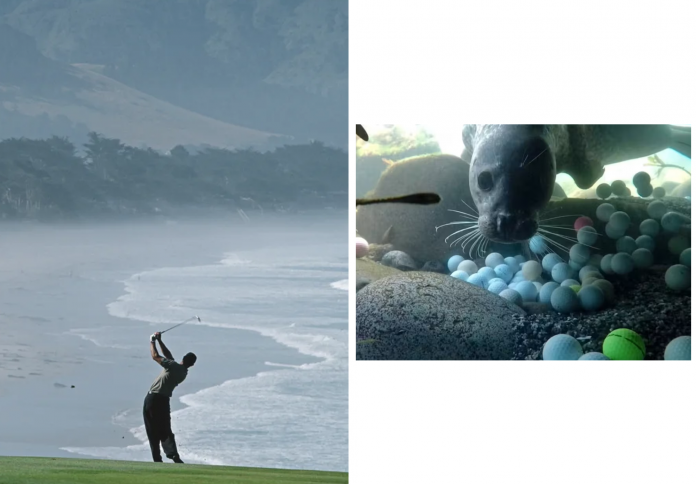
While precise global figures are difficult to pin down, expert estimates suggest that hundreds of millions of golf balls are lost every year, with figures often ranging above 300 million annually. A disproportionate number of these balls are lost into water hazards, ponds, lakes, and coastal areas adjacent to courses. Once submerged, the balls are rarely retrieved and begin a slow, decades-long process of degradation. This accumulation creates massive underwater stockpiles that alter the ecology of the water bodies, taking up space needed by aquatic life and introducing foreign materials into the natural substrate.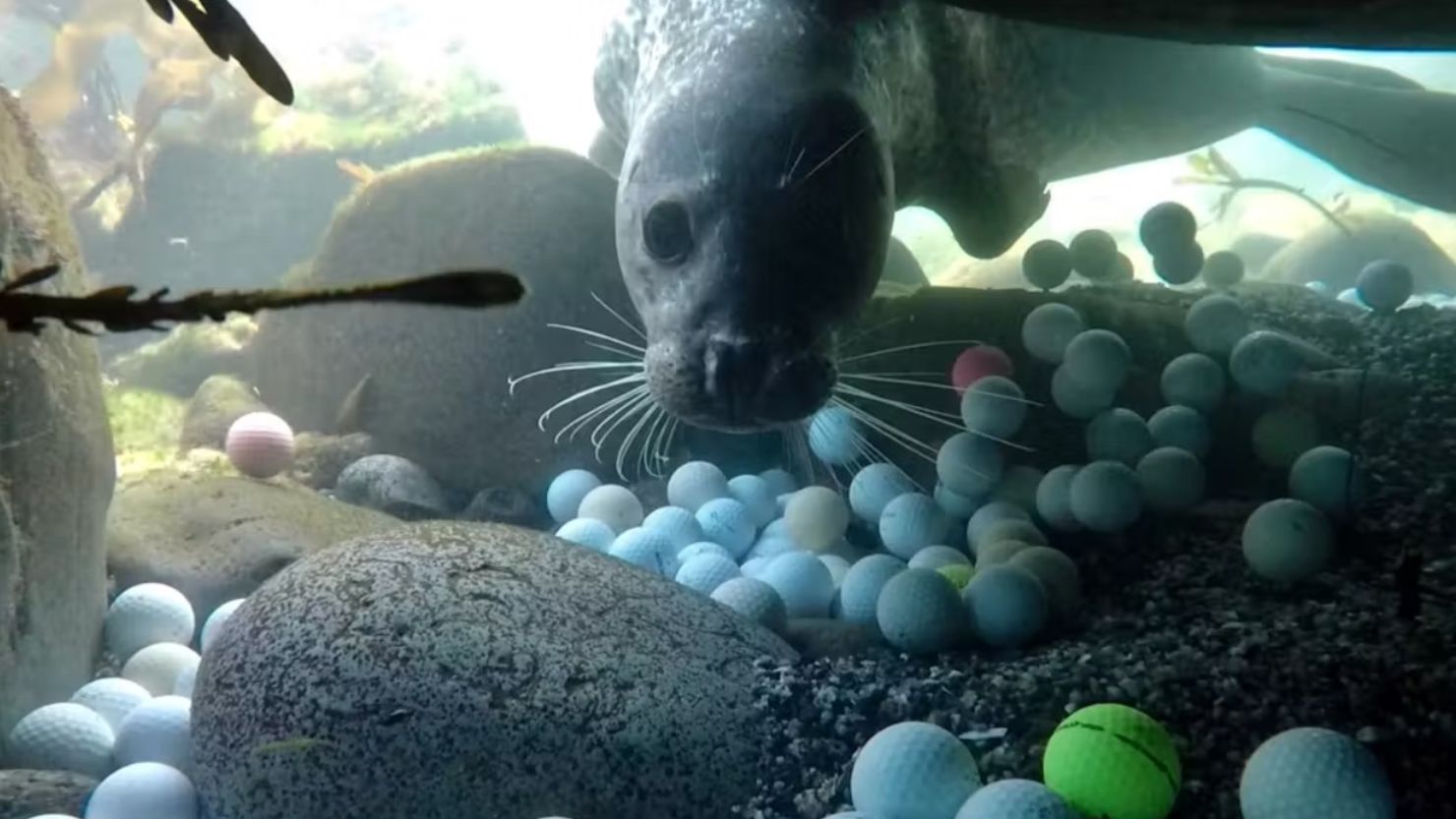
The Toxic Composition of Golf Balls
The environmental hazard of a lost golf ball lies primarily in its material composition, which is designed for durability and performance, not ecological compatibility.
Modern golf balls are typically constructed from a core of synthetic rubber, surrounded by layers of polyurethane, ionomer resins, or surlyn—all forms of non-biodegradable plastics. As the outer layers of the balls degrade due to exposure to sunlight and water, they begin to leach out these synthetic polymers, breaking down into microplastics that pollute the soil and water. Furthermore, the synthetic rubber cores often contain trace amounts of zinc compounds and other heavy metals that, when released, can pose a localized toxic risk to aquatic flora and fauna, disrupting hormonal systems and damaging cell structures in organisms that ingest them.
Ecological Hotspots and Accumulation Zones
The environmental impact is most severe in specific geological locations, particularly where golf courses are situated near sensitive ecosystems and marine environments.
Courses built along coastlines or those featuring numerous water hazards are considered the biggest environmental culprits. Studies conducted in areas like the Scottish Highlands or coastal California have shown that shorelines and lake beds adjacent to courses can contain tens of thousands of balls per hectare. This concentrated accumulation directly affects wetlands, coastal marshes, and natural drainage systems. The lost balls act as foreign bodies that impede natural water flow, reduce habitat space, and introduce persistent pollutants into areas vital for breeding wildlife and filtering local water supplies.
The Search for Sustainable Solutions
The growing environmental pressure is spurring innovative research into truly green alternatives for golf balls that maintain performance standards.
Several companies and scientific teams are now focusing on developing fully biodegradable golf balls. These balls typically substitute the plastic compounds with materials like biodegradable polymers, gelatin, or food-grade compounds designed to dissolve entirely within a matter of days or weeks when exposed to water. While early versions of these eco-friendly balls sometimes compromised on professional-level distance and spin, recent advancements suggest that performance gaps are rapidly narrowing. The ultimate goal is a product that offers the speed and feel demanded by professionals while leaving behind zero environmental trace, thus allowing the game to coexist harmlessly with nature.