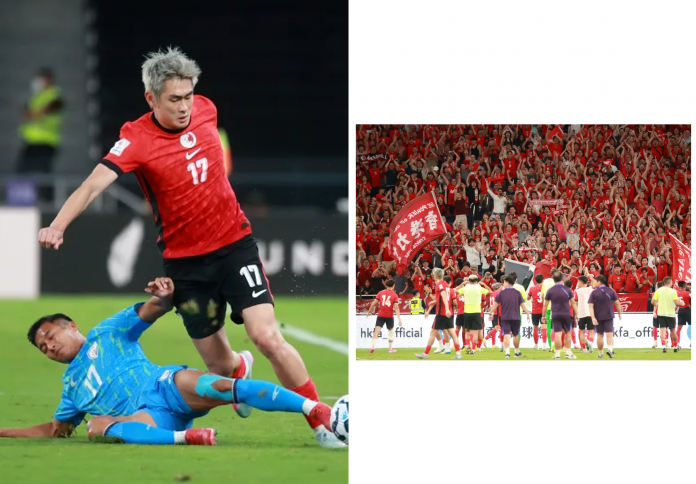
The long-anticipated construction of Hong Kong’s new, state-of-the-art national soccer stadium—a cornerstone of the massive Kai Tak Sports Park development—is currently facing significant delays and increasing cost projections. Originally envisioned as a timely replacement for the aging Hong Kong Stadium, the project has encountered a familiar mix of challenges including unexpected site conditions, global supply chain disruptions, and the pervasive impact of stringent public health measures on labor availability. The delay pushes the expected completion date further back, raising concerns among sports officials about the city’s ability to host major international events on schedule. Despite these setbacks, authorities remain committed to delivering the ambitious project, emphasizing its long-term importance to Hong Kong’s identity as a major sporting hub in Asia.
The Scope of the Kai Tak Sports Park Project
The new soccer stadium is the central element of the comprehensive Kai Tak Sports Park, a multi-faceted development designed to transform a former airport site into a world-class sporting and leisure hub.
The entire project encompasses far more than just the main stadium. It includes a secondary arena, extensive public sports grounds, a variety of retail and dining facilities, and large areas of parkland and open space for community use. The main stadium itself is designed to be a modern marvel, featuring a retractable roof, a capacity exceeding 50,000 seats, and the technological capability to host not only FIFA-standard soccer matches but also major rugby tournaments, concerts, and large-scale cultural events. The sheer scale and complexity of coordinating the multiple interlocking components of the Sports Park are a major contributing factor to the challenges faced.
Primary Causes of Construction Delays
The project’s timeline has been significantly impacted by a combination of logistical and external factors that have plagued large-scale infrastructure projects globally.
A primary cause of the delay has been the lingering effect of global supply chain disruptions, particularly concerning specialized materials and high-tech components required for the retractable roof and complex technical installations. Furthermore, despite its status as a priority project, the construction site has struggled with labor shortages and reduced efficiency due to persistent public health restrictions and worker mobility issues. Initial reports also indicate that unexpected subsurface ground conditions on the former airport runway site required more extensive foundation work than originally estimated. These factors have coalesced to push the completion deadline back by several months, demanding increased budgetary allocation to maintain the pace of work.
Financial Pressures and Cost Overruns
Accompanying the time delays, the project is also grappling with significant financial pressure and the inevitability of increased overall costs.
The complex nature of the stadium’s design, combined with soaring costs for imported materials like steel and specialized glazing, has driven the final project cost well above initial estimates. The extended construction period also adds to operational overheads for the consortium managing the build. Public scrutiny on the use of taxpayer money for such a high-profile, delayed venture is intensifying, placing pressure on government officials to manage the budget transparently while ensuring the project’s quality is not compromised. Despite the economic headwinds, authorities have reaffirmed their commitment, viewing the stadium as a long-term economic and cultural investment that will pay dividends by attracting major global events.
Impact on Hong Kong’s Sporting Calendar
The continued delays create uncertainty regarding Hong Kong’s ability to bid for and host major international sporting events that were earmarked for the new facility.
Events such as the prestigious Hong Kong Sevens rugby tournament, which is currently held at the outdated Hong Kong Stadium, have been keenly awaiting the completion of the new venue. The new stadium offers superior capacity, modern facilities, and better commercial opportunities for these events. The ongoing delays force organizers to continue using existing, less-optimal venues, potentially dampening the city’s ambition to become a central hub for Asian sports tourism. Sports officials are now forced to re-evaluate their international bidding strategies for the late 2020s, factoring in the revised completion date and ensuring contingency plans are robustly in place for key annual fixtures.