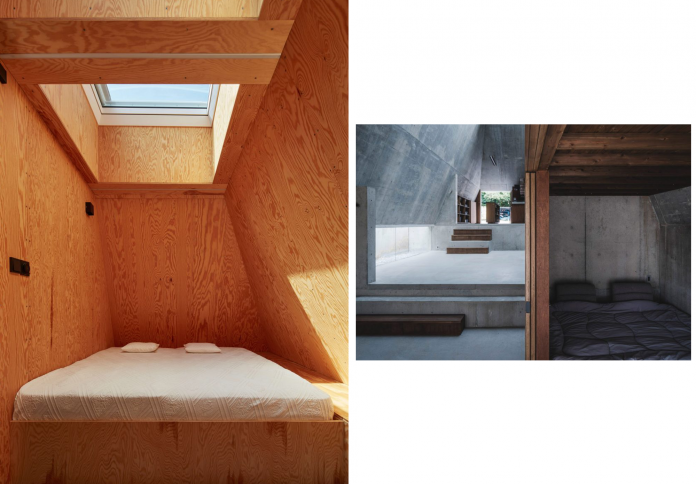
The compact bedroom was one of the most creatively challenging and rewarding spaces for designers in 2025, driven by the increasing need for efficient, multi-functional urban living. Dezeen’s lookbook compilation showcased projects that masterfully transformed small square footage into spaces that feel both expansive and deeply personalized. The key strategies employed were universally focused on architectural efficiency: verticality in storage, built-in, multi-functional furniture, and a clever manipulation of light and perception. By treating the small room as a three-dimensional design puzzle, the featured projects proved that confined bedrooms can move beyond mere functionality to become serene, organized, and aesthetically rich retreats that cleverly hide the practical necessities of everyday life.
The Strategy of Verticality and Integrated Storage
In compact bedrooms, utilizing vertical space is the most critical factor for maximizing floor area and achieving an uncluttered environment.

Designers widely employed floor-to-ceiling storage solutions, moving beyond simple wardrobes to create fully integrated storage walls. These systems often conceal not just clothing, but also bookshelves, work surfaces, and even fold-down beds. A key design element was the use of recessed or shallow shelving above and around the headboard area. This allows occupants to store personal items or lighting without intruding on the central circulation space of the room. Furthermore, many designers integrated elevated or platform beds . By raising the bed just slightly, the often-wasted space beneath can be converted into large drawers, hidden compartments, or even an integrated workspace, effectively doubling the room’s storage capacity without sacrificing precious floor area.
Built-In Furniture and Multi-Functional Pieces
The most successful compact bedrooms avoided freestanding furniture, relying instead on custom, built-in pieces that serve multiple functions and are tailored to the room’s exact dimensions.

Custom joinery was essential, with designers creating wall-to-wall desks that double as dressing tables, or window seats with integrated storage below. The shift toward multi-functional bed frames was particularly noticeable. Beds were often designed with integrated side tables, eliminating the need for bulky nightstands, and featuring built-in lighting controls. Another popular solution was the use of folding or sliding partition walls that allow a small corner to be temporarily converted from a dressing room into a tiny home office, proving that flexibility and customized solutions are paramount in tight spaces.
The Illusions of Lightness and Depth
To prevent small bedrooms from feeling claustrophobic, designers employed several psychological and visual tricks focused on manipulating light and reflection.

The use of a restricted, light-toned color palette—typically whites, creams, or pale pastels—was a unifying trend. Light colors reflect ambient light, making the walls recede and creating an illusion of greater space. This lightness was often paired with strategic use of mirrors. Large, full-length mirrors placed on closet doors or opposite windows helped to bounce light around the room and visually double its perceived dimensions. Furthermore, designers opted for minimalist window treatments to maximize the intake of natural light, and used recessed or wall-mounted lighting instead of pendant fixtures, ensuring the ceiling plane remained clean and uncluttered to give the impression of height.
Aesthetics of Simplicity and Serenity
Beyond pure functionality, the best compact bedrooms prioritized a calm aesthetic, recognizing that small spaces can quickly feel chaotic if not meticulously curated.
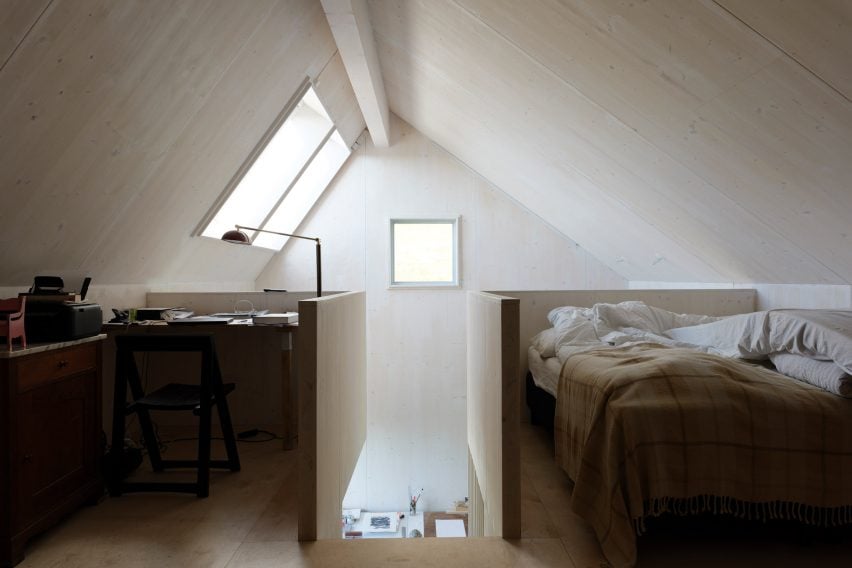
Designers achieved a sense of serenity by focusing on material consistency and eliminating visual noise. All visible objects—storage, lighting, and décor—were chosen for their simplicity and their ability to blend seamlessly into the architectural framework. The focus was on quality over quantity, with a few well-chosen pieces of art or unique textiles providing personality, rather than an accumulation of small items. This disciplined approach ensures that the compact bedroom is experienced as a place of retreat and order, reinforcing the idea that spatial restriction can lead to highly focused, highly personalized design solutions that enhance restful living.