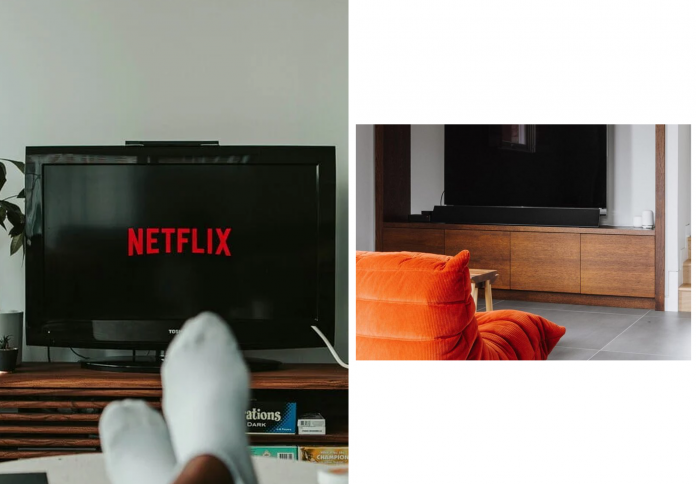
In her opinion piece, designer Claire Keane dissects the problematic influence and often unrealistic portrayal of interior design on contemporary television, particularly focusing on the trend of creating instant, themed “dens” or cozy retreats. Keane argues that while design shows have democratized access to ideas, they often perpetuate a harmful myth: that complex, deeply personal design can be achieved quickly, cheaply, and with minimal psychological depth. The relentless focus on superficial transformations and the use of temporary, trendy items over enduring, bespoke craftsmanship fundamentally misrepresents the true value of professional design. This television narrative risks setting up viewers for inevitable disappointment, encouraging them to prioritize fleeting visual trends over the slow, thoughtful process required to create a home that genuinely supports long-term well-being and reflects authentic personal history.
The Myth of Instant Transformation
Keane’s central critique is directed at the television trope of the instant room makeover, which fundamentally misrepresents the timelines and effort required for high-quality interior design.
TV shows, driven by the need for dramatic narrative arcs and quick gratification, compress months of complex work—including structural considerations, custom joinery, procurement, and problem-solving—into a single, high-energy episode. This narrative suggests that a room can be completely, and perfectly, transformed in a weekend, or a week at most. Keane points out that this is not only unrealistic but also detrimental to the consumer’s understanding of the process. Real design involves meticulous planning, dealing with material lead times, navigating unexpected site issues, and countless hours spent ensuring the space is functional, accessible, and compliant with building codes. The glossy “reveal” on television prioritizes visual shock value over the detailed, thoughtful resolution of spatial challenges.
The Focus on Superficiality vs. Longevity
A major flaw identified by Keane is the pervasive emphasis on readily available, trendy decorative items and easy-to-install finishes, rather than investments in bespoke quality and lasting materials.

Many shows rely on creating a quick, impressive “look” using mass-produced furniture and stylistic gimmicks that are likely to feel dated within a year. This approach prioritizes consumption over creation, encouraging viewers to follow fleeting trends that fill up landfills, rather than investing in classic, well-made pieces that gain value and character over time. Keane stresses that the true purpose of design is longevity and integrity, focusing on bespoke solutions—such as custom built-in furniture, specific lighting plans, or tailored spatial reconfigurations—that truly address the unique needs of the client and the architecture of the home. By skipping these complex, slower phases, TV design reinforces a culture of disposability over enduring quality.
The Problem of Themed “Dens” and Forced Identity
Keane specifically critiques the popular trend of creating hyper-themed spaces, or “dens,” which she argues often result in forced, inauthentic environments.
The television format often imposes a singular, easily identifiable theme—the “boho jungle den,” the “minimalist Scandi-shed,” or the “maximalist cocktail lounge”—on a client, often without sufficient regard for their evolving taste or the rest of the home’s architecture. Keane finds this approach psychologically shallow. Authentic interior design is a slow, iterative process of discovery that reflects years of collecting, living, and changing. A home should not be a static, themed stage set, but a nuanced reflection of the occupant’s history and aspirations. The televised “den,” in contrast, is often a dramatic, isolated vignette that fails to integrate naturally with the rest of the dwelling, resulting in a space that feels emotionally forced and ultimately alienating.
Setting Unrealistic Expectations and Undervaluing Professionalism
Ultimately, the designer argues that TV design shows systematically undervalue the role of the professional designer and create unrealistic expectations for consumers.
By presenting a simple, accelerated, and seemingly effortless process, these programs fail to communicate the sheer depth of knowledge involved in professional design—from structural engineering understanding and material sourcing expertise to managing complex budgets and timelines. This leads viewers to believe that design is merely about shopping for nice things, rather than a demanding, highly skilled profession. Keane concludes that the genre risks trivializing the craft. Instead of inspiring thoughtful home creation, it promotes a superficial consumerism that ultimately leaves clients dissatisfied with their own efforts and unwilling to pay fair rates for the sophisticated, holistic design solutions that truly transform a space for the better.