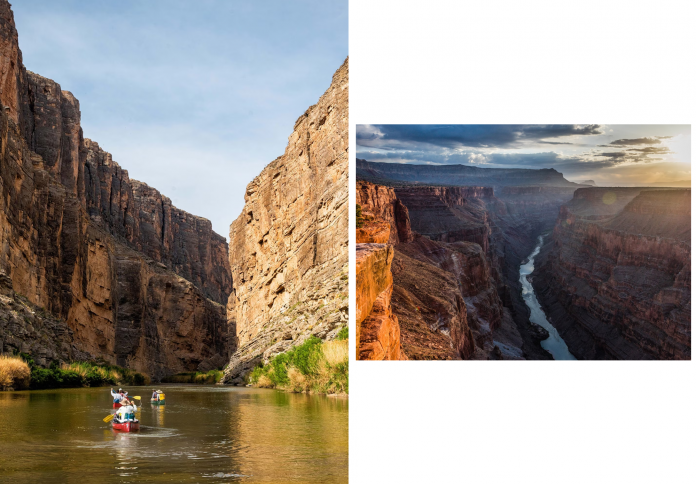
The rivers flowing through North America’s vast national parks and protected lands offer the most intimate and dynamic way to experience the wilderness, providing a perspective inaccessible by road or foot. These river trips—ranging from gentle paddling through deep canyons to intense whitewater rafting—are far more than recreational excursions; they are journeys through geological time, revealing millions of years of erosion and the continuous, living ecosystems supported by the water. From the iconic, multi-day descents of the Colorado River to the pristine, wildlife-rich flows of Canadian wilderness rivers, these protected waterways provide essential sanctuaries. They connect adventurers to the vital, life-giving artery of the continent, offering a profound sense of solitude and a unique understanding of the forces that sculpted the landscape.
The Grand Canyon’s Legacy: Colorado River Descent
The multi-day rafting trip down the Colorado River through the Grand Canyon remains the quintessential North American river adventure, blending geological wonder with historical challenge.

A journey on the Colorado is a powerful descent through nearly two billion years of Earth’s history, with every mile revealing new strata and dramatic rock formations. The river itself is a character in the story, providing sections of intense Class IV and V whitewater rapids interspersed with stretches of tranquil, flat water. This trip is typically undertaken over 6 to 18 days, requiring deep reliance on guides and team effort, creating a profound sense of camaraderie. Camping on sandy beaches beneath the colossal canyon walls and exploring side canyons and waterfalls offer an unparalleled level of immersion in one of the world’s most magnificent natural environments.
Canyonlands National Park: Canoeing the Green and Colorado
In Utah’s Canyonlands National Park, the convergence of the Green and Colorado Rivers offers a different, more contemplative style of river trip, perfect for multi-day flatwater exploration.
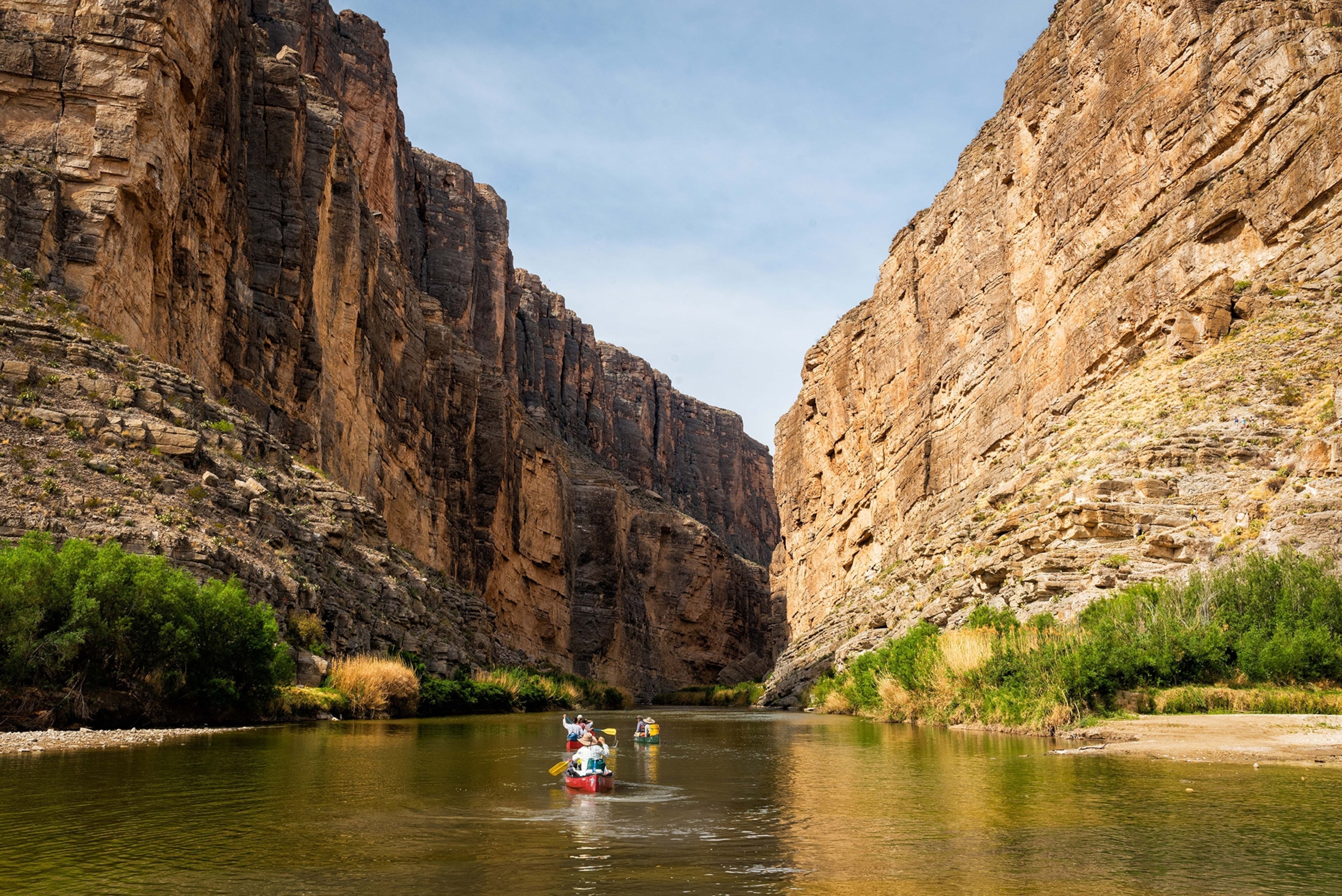
The confluence of these two great rivers defines the park’s rugged landscape, yet sections like the Labyrinth Canyon on the Green River offer long, smooth stretches of water ideal for canoeing or flatwater kayaking. This experience emphasizes quiet solitude, allowing paddlers to observe wildlife, explore ancient Native American rock art sites, and absorb the sheer vertical scale of the sandstone cliffs that rise silently from the riverbanks. The pace here is slow and deliberate, encouraging a profound connection with the remote, sculpted desert landscape and offering a vital sanctuary from the motorized world.
The Canadian Wilderness: Paddling the Pristine North
Canada’s vast network of National Parks and Provincial Parks protects enormous stretches of pristine, undeveloped rivers, offering world-class, multi-week backcountry paddling expeditions.

Rivers flowing through parks like Nahanni National Park Reserve in the Northwest Territories or those within the Yukon offer rugged, cold-water adventures that are far more remote than anything in the contiguous US. These trips require self-sufficiency, often involving portages and navigating Class II-III rapids. The payoff is the chance to witness truly untouched wilderness, view large mammals like caribou and moose, and experience a silence that is increasingly rare globally. These northern river journeys are the ultimate expression of the canoe-centric Canadian identity, offering an unparalleled test of skill and an intimate bond with the sub-arctic environment.
The Eastern Wilds: Maine and the Appalachian Rivers
While the American West dominates the river narrative, the National Parks and protected forests of the East, particularly in Maine, offer unique, historic paddling and rafting opportunities.
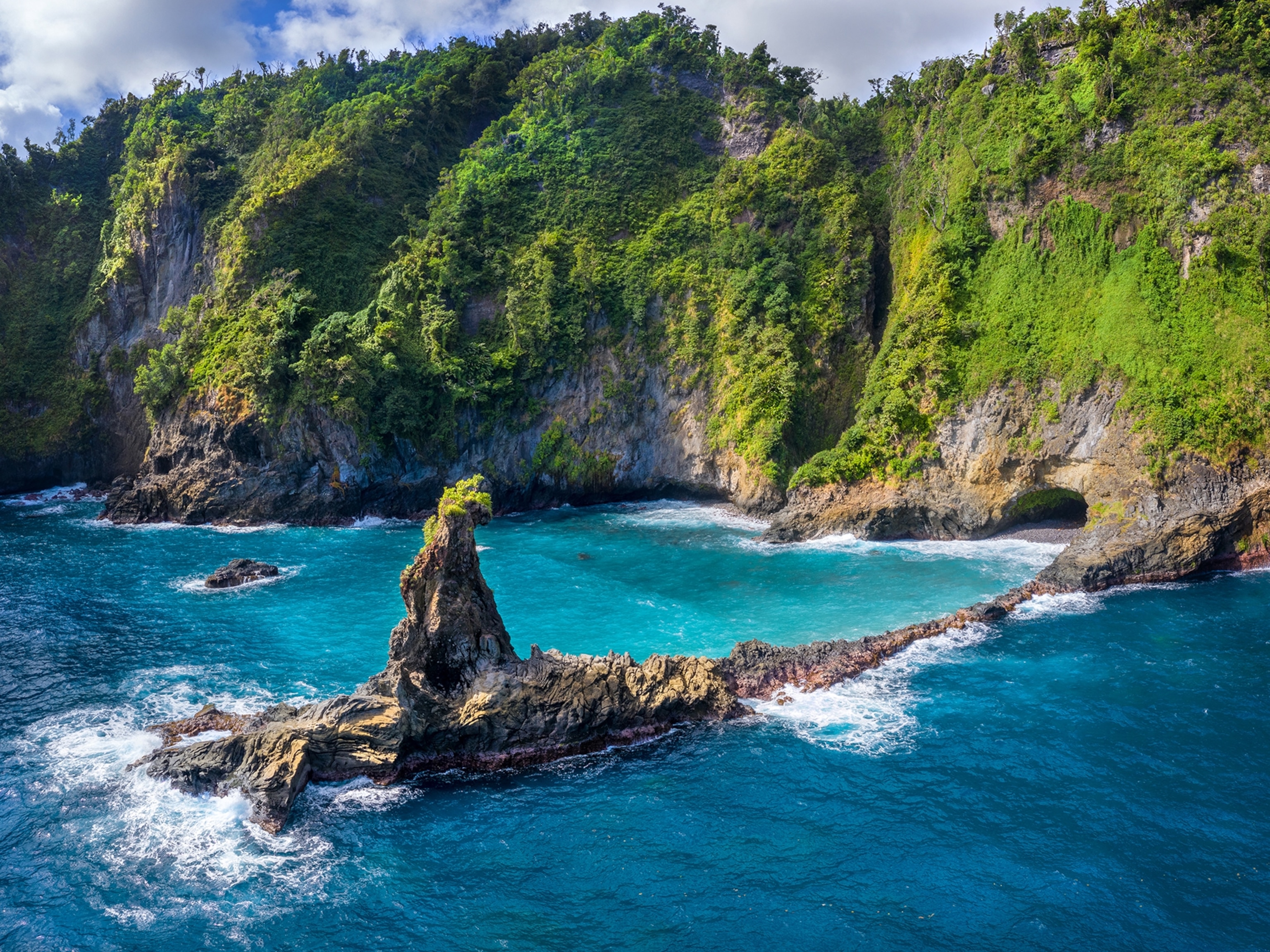
Rivers flowing through the Maine Woods and near parks like Acadia offer shorter, yet equally engaging, river experiences. The Kennebec and Penobscot Rivers provide significant whitewater thrills, with high-volume flows drawing rafters. More historically focused trips, such as those through the Allagash Wilderness Waterway, a National Wild and Scenic River, offer flatwater canoeing along a historic logging route. These Eastern rivers are defined by dense forests, fall foliage, and a more intimate, wooded environment, allowing paddlers to connect with the industrial and natural history of the Appalachian and New England regions.