The quest to witness the Aurora Borealis remains a pinnacle of natural world travel, yet the experience is evolving far beyond simply standing in a frozen field in the traditional Arctic Circle. Modern aurora chasers are now seeking more innovative, comfortable, and immersive ways to view this celestial spectacle, leading to a rise in highly specialized travel experiences. These alternative methods—ranging from gliding beneath the lights in glass-roofed accommodations to sailing the silent, dark fjords—maximize both viewing opportunities and the overall comfort of the journey. This shift reflects a growing desire among travelers to integrate the unpredictable natural wonder into a curated, luxurious, and truly unforgettable adventure, elevating the aurora chase into a refined form of experiential travel.
Sky-High Comfort: The Allure of Glass-Roofed Accommodations
One of the most popular and luxurious alternative ways to view the Northern Lights is through dedicated accommodations designed specifically for comfort and visibility.
The Arctic regions of Scandinavia and Iceland have pioneered the concept of glass igloos, geodesic domes, or sky-view cabins. These structures are engineered with thermally insulated glass, often heated to prevent frosting, which allows guests to lie in a warm bed and gaze at the night sky for hours without exposure to the freezing temperatures. This setup is ideal for maximizing viewing time, as the aurora is unpredictable and can appear at any hour of the night. By offering continuous, uninterrupted sky access from the comfort of a private retreat, these accommodations transform the passive wait for the lights into an integrated, relaxing part of the travel experience.
Silent Passage: Chasing the Aurora from the Sea
Escaping light pollution by taking to the open sea provides one of the most pristine and atmospheric environments for observing the spectacular celestial display.

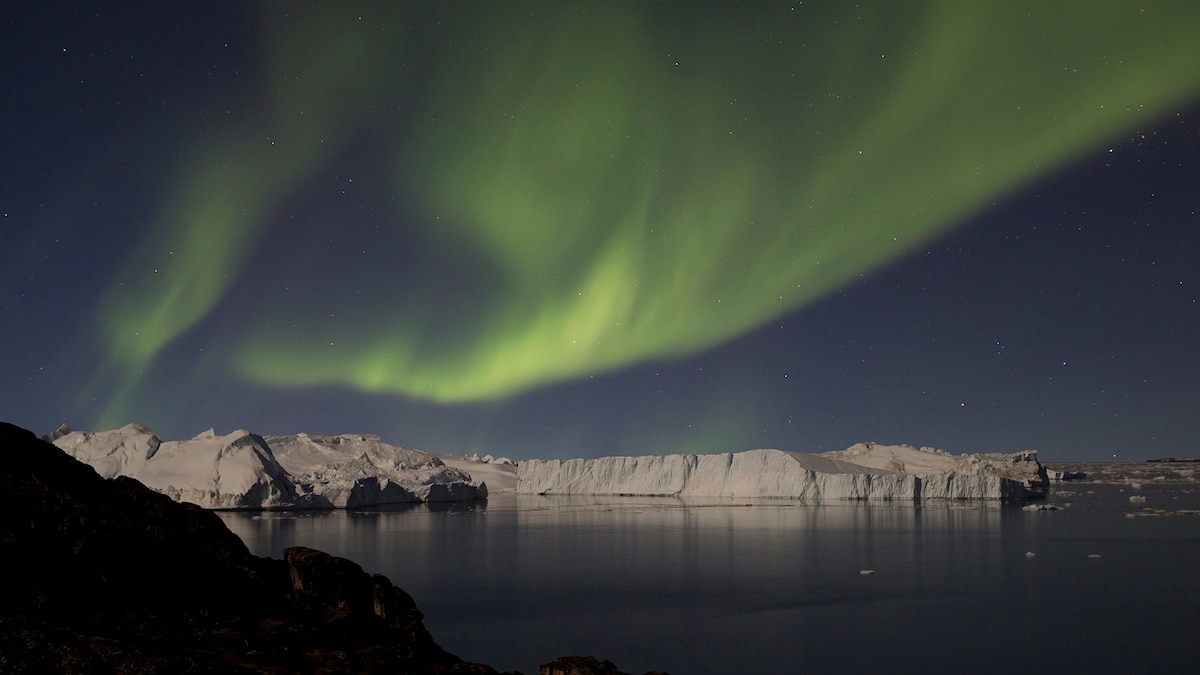
Aurora cruises or expedition voyages along the Norwegian coast, particularly near the fjords, have become a sophisticated alternative. Traveling by sea provides an unparalleled advantage: a truly 360-degree, unobstructed view of the horizon and sky, free from any competing light sources on land. The stillness of the water often enhances the experience, allowing the light to be reflected in the ocean’s surface. Furthermore, many specialized ships offer dedicated aurora alarms and on-deck viewing lounges, ensuring passengers are alerted the moment the light display begins. This method combines the cultural richness of coastal exploration with the primary objective of the celestial chase.
The Arctic Air: Viewing the Aurora from Above
For a truly unique perspective and a higher chance of seeing the lights above any cloud cover, a dedicated aerial perspective offers a dramatic alternative to ground-based viewing.
A limited number of tour operators now offer dedicated aurora flights. These commercial flights ascend above the clouds, flying along the auroral oval—the band where the lights are most concentrated—guaranteeing a clear, unobstructed view of the phenomenon below. The advantage of flying is the certainty of escaping ground-level weather conditions, which often obscure the view for those on land. While often more expensive, the experience offers a unique vantage point, seeing the lights not just on the horizon, but often directly above or even below the aircraft, creating a vivid, cinematic display that is difficult to replicate on the ground.
Cultural Immersion: Combining Lights with Indigenous Experience
Alternative viewing methods are increasingly being paired with local cultural experiences, transforming the trip from a sightseeing excursion into a deeper, educational immersion.

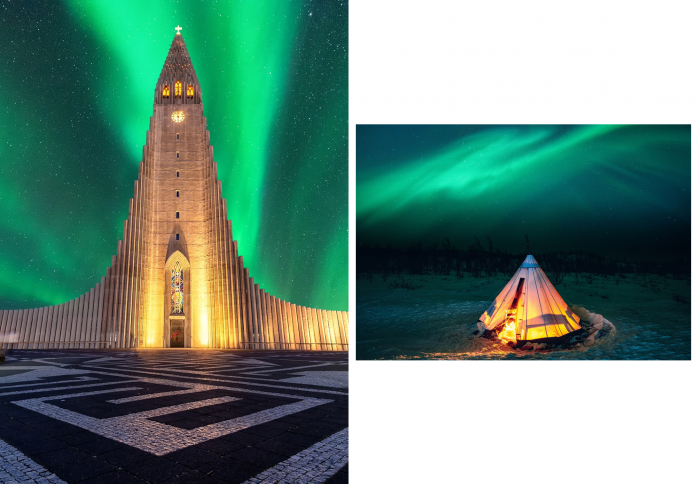
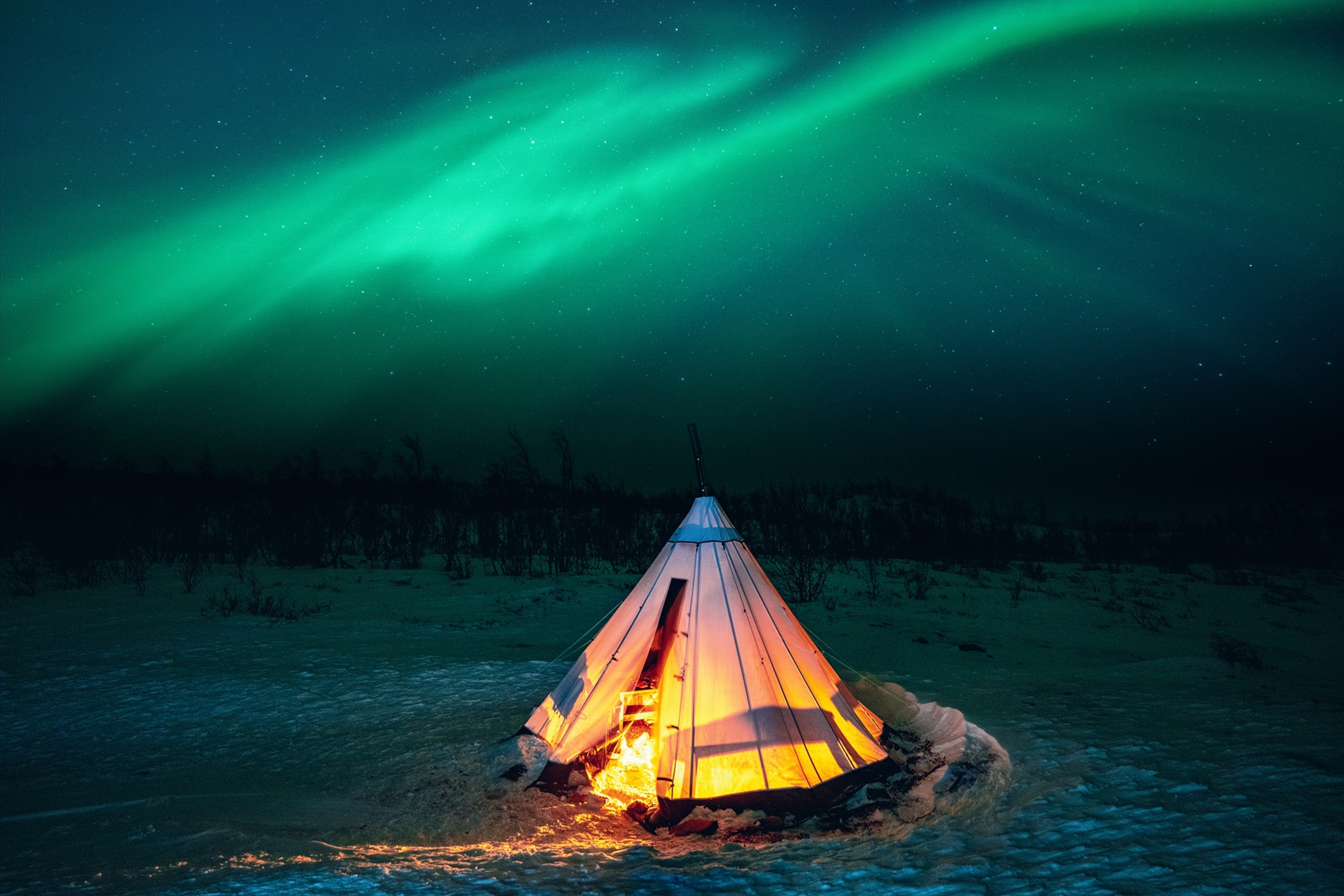
Travelers are now seeking experiences that combine aurora viewing with the traditions of the Arctic’s Indigenous communities, such as the Sami people in Northern Scandinavia. This can involve staying in traditional lavvu (teepee) camps, learning about the Sami connection to the land and the stars, or participating in dogsledding expeditions far from any civilization. These cultural integrations provide a layer of meaning and storytelling to the experience, grounding the ephemeral sight of the aurora in the rich human history and traditional knowledge of the Arctic regions, making the journey intrinsically more rewarding.