Launched by a former luxury fashion executive in 2025, The Park Brand quickly established itself as a quiet, powerful force redefining the concept of accessible luxury. Eschewing the traditional cycle of trend-chasing and seasonal noise, the brand centers its philosophy on perennial utility, impeccable craftsmanship, and sustainable ethics. The core offering is a meticulously edited collection of foundational wardrobe pieces—the perfect trench coat, the ideal oversized cashmere sweater, the flawless everyday leather tote—all rendered in premium, ethically sourced materials. The Park Brand’s success is a testament to the modern consumer’s fatigue with fast fashion and their increasing desire to invest in a smaller, high-quality closet built on classic silhouettes, superior fit, and a timeless aesthetic that transcends fleeting trends.
The Philosophy of Perennial Utility: Quality Over Quantity
The foundation of The Park Brand’s ethos is a radical commitment to utility and longevity, deliberately challenging the consumption-driven model of the fashion industry.

Founded by an industry veteran who witnessed firsthand the waste and frenetic pace of seasonal trends, the brand’s goal is to simplify the modern wardrobe. Instead of offering hundreds of items, The Park Brand focuses on a tightly curated selection of fewer than fifty pieces. Each item is conceived not as a trend, but as a permanent fixture, designed to serve a functional, elevated purpose in the wearer’s daily life. This emphasis on utility is reinforced by the brand’s use of enduring materials and classic silhouettes, encouraging a consumer mindset shift from buying low-cost, disposable items to making mindful investments that deliver wearability and style for years to come.
Craftsmanship and Ethics: The Price of Premium Materials
A key differentiator for The Park Brand is its uncompromising investment in premium, ethically sourced materials and its commitment to transparency regarding its supply chain.

The brand’s signature pieces, such as its cashmere knitwear and leather goods, use only the highest-grade raw materials, ensuring a luxurious feel, superior drape, and maximum durability. This focus on material integrity is directly linked to the brand’s ethical framework. The Park Brand is dedicated to working with manufacturers who prioritize fair labor practices and environmentally sound production methods. By vertically integrating aspects of its supply chain or forging direct partnerships with artisans, the brand bypasses traditional middlemen. This operational model allows them to offer high-quality, ethically made goods at a price point that, while elevated, remains significantly more accessible than traditional designer luxury houses, providing genuine value to the consumer.
The Aesthetic Blueprint: Timeless, Understated Chic
The aesthetic DNA of The Park Brand is rooted in a quiet, minimalist sophistication that prioritizes fit, texture, and understated detail over loud logos or complicated design.

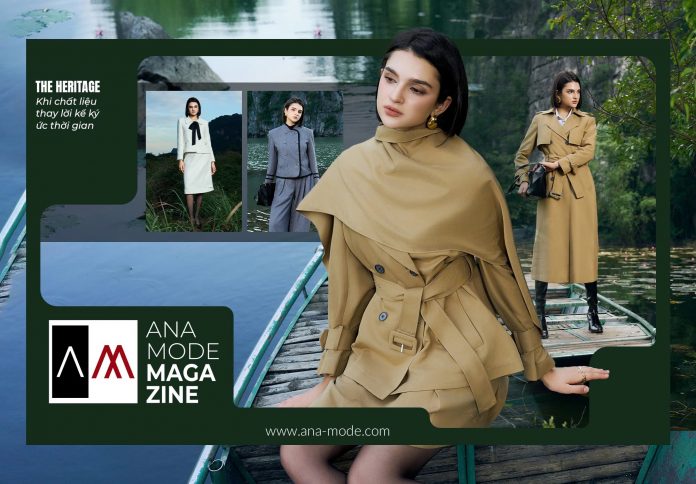
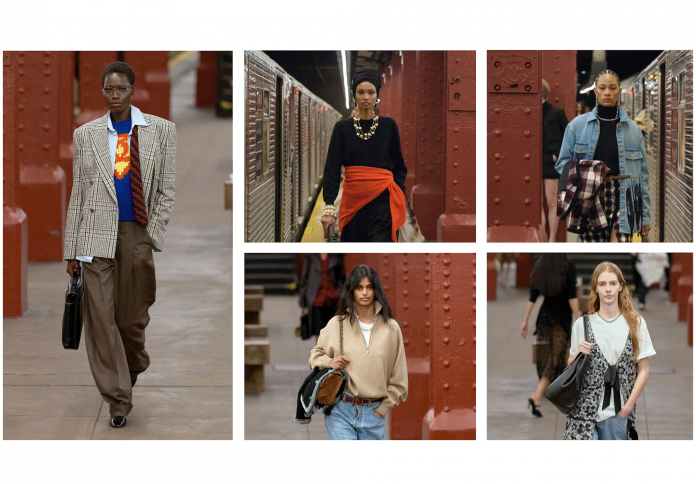
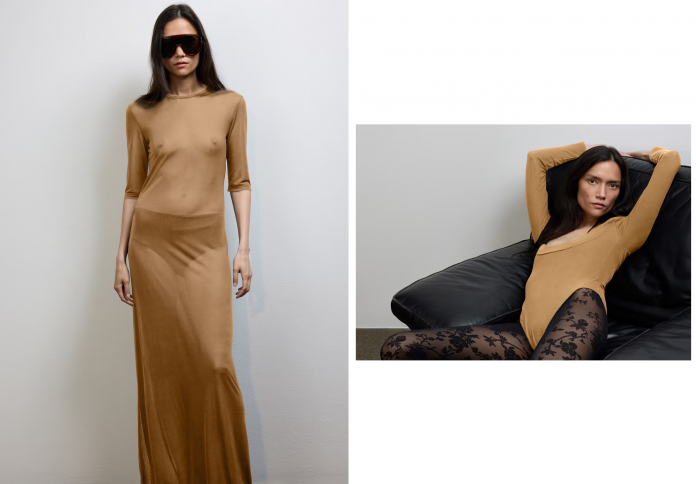
The color palette is deliberately neutral, revolving around versatile shades of cream, camel, charcoal, and navy. This adherence to a muted spectrum ensures that every piece can be effortlessly mixed and matched, forming a cohesive, easily styled capsule wardrobe. The designs themselves rely on subtle, precise tailoring—the perfect amount of slouch in a trouser, the precise shoulder drop on an oversized blazer, the strategic placement of a single seam. This focus on the meticulous details of fit is what elevates the clothing from basic to brilliant, allowing the wearer to achieve a look of expensive, effortless polish without needing flashy embellishments or recognizable branding.
Direct-to-Consumer Model: Cultivating Community and Trust
The brand’s success is heavily supported by its direct-to-consumer (DTC) operational model, which enables a deep connection with its customer base and allows for agile, ethical adjustments.

By largely bypassing traditional wholesale retail channels, The Park Brand gains full control over its brand narrative, customer experience, and most importantly, its pricing structure. This direct relationship fosters trust and allows the brand to educate consumers immediately about the ethical sourcing and craftsmanship behind the product, justifying the price point. Furthermore, the DTC model allows the brand to utilize customer feedback in real-time to refine its permanent collection, ensuring that future pieces precisely meet the needs and desires of its devoted community, cementing a loyal base built on shared values and quality assurance.