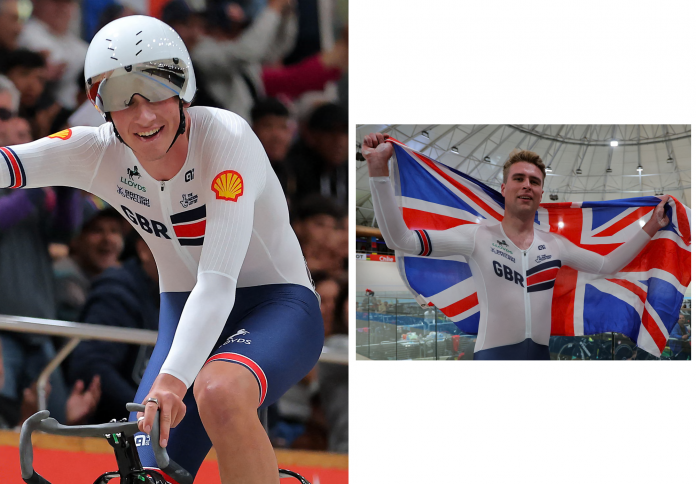
The velodrome in Ballerup, Denmark, became the stage for a masterclass in British endurance and precision as the 2025 Track World Championships reached a fever pitch. In a display of tactical brilliance and raw power, Josh Tarling and Sophie Charlton shattered expectations to claim Great Britain’s first gold medals of the tournament. For Tarling, already a dominant force on the road, the victory in the individual pursuit signaled a flawless transition to the wooden boards, proving his versatility as one of the world’s premier engines. Meanwhile, Charlton’s performance in the women’s scratch race was a study in patience and explosive timing, as she navigated a chaotic pack to sprint toward her first world title. These twin victories have not only electrified the British camp but have also set a high-performance benchmark for the remainder of the competition.
The Specialized Engine: Tarling’s Pursuit of Perfection
Josh Tarling entered the individual pursuit final with the weight of expectation on his young shoulders, yet he rode with the composure of a veteran. Known primarily for his prowess in road time-trialling, Tarling demonstrated that the controlled environment of the track suits his rhythmic, high-wattage style perfectly. From the starting gate, he established a relentless pace that left his opponent struggling to match the sheer velocity of his rotations. By the midway point of the four-kilometer race, the gap had widened significantly, allowing Tarling to focus on his aerodynamics and lines rather than the pressure of a close contest.
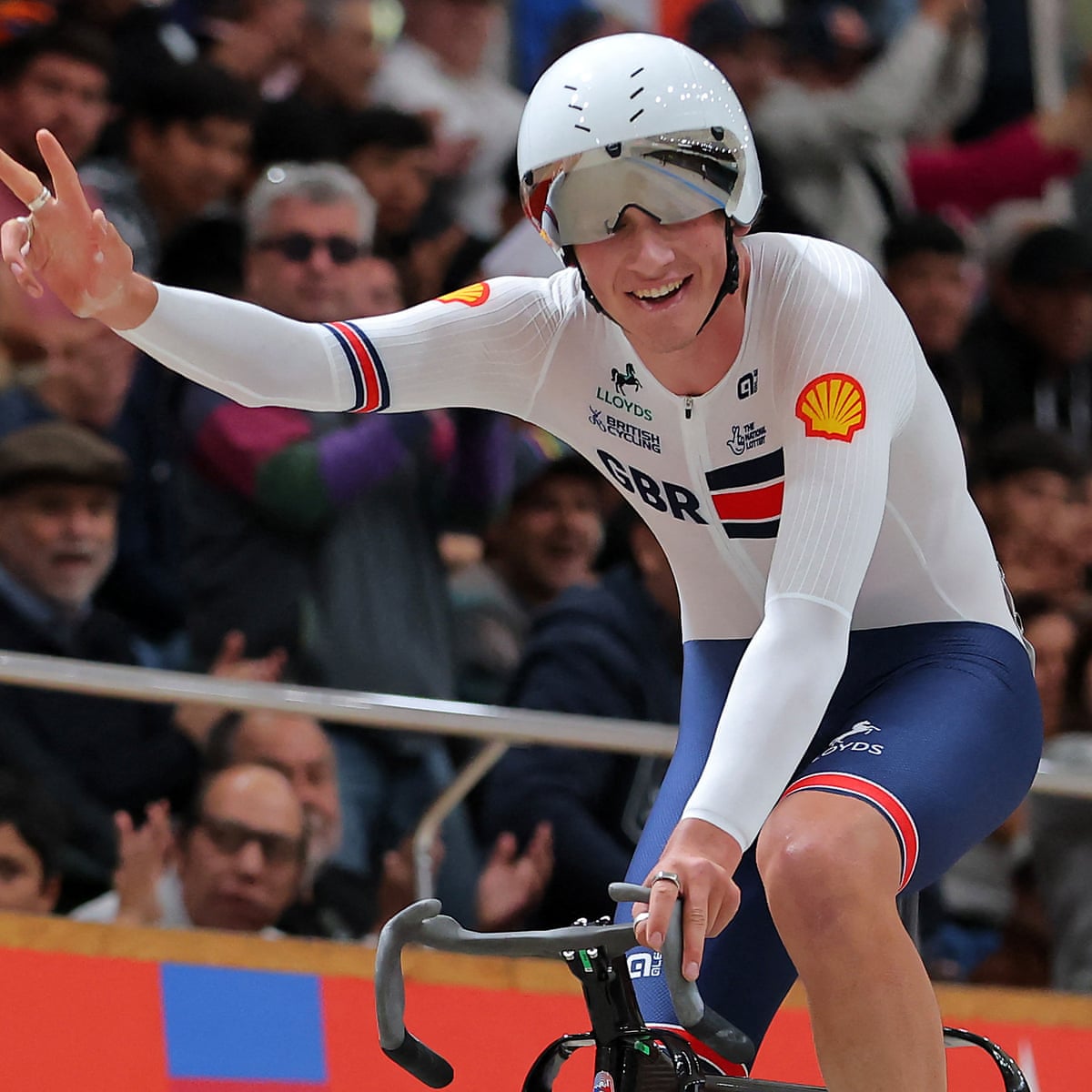
The technical precision required for the individual pursuit is immense, as riders must balance the thin line between an all-out sprint and sustainable effort. Tarling’s coaching team noted that his training on the road provided the aerobic base, but his recent focus on track-specific cadence was the deciding factor. As he crossed the finish line to the roar of the British contingent, his time mirrored the world-leading performances seen in recent Olympic cycles. This gold medal serves as a definitive statement that Tarling is no longer just a “road specialist” but a multi-discipline titan capable of dominating any surface he chooses.
A Tactical Masterpiece in the Women’s Scratch Race
While Tarling’s victory was a battle against the clock, Sophie Charlton’s gold in the scratch race was a battle of wits and nerves. The scratch race is notoriously unpredictable, often described as a game of high-speed chess where one wrong move can end a podium hope in seconds. Throughout the forty laps, Charlton remained tucked safely within the heart of the peloton, avoiding the early skirmishes and “suicide moves” from riders attempting to lap the field. Her ability to read the movement of the pack and conserve energy in the slipstream proved to be the foundation of her success.
As the bell rang for the final lap, the atmosphere in the velodrome shifted from tense observation to an all-out roar. Charlton found herself boxed in on the final bend, a position that would have panicked a lesser rider. However, with a sudden burst of acceleration, she found a gap on the outside, powering past her rivals with a sprint that seemed to defy the fatigue of the preceding kilometers. Her victory was not just a win for her physical conditioning, but a testament to her tactical maturity, marking her as the new rider to beat in the women’s endurance field.
Fueling the British Momentum
These two gold medals have come at a critical juncture for the Great Britain cycling team. Following a period of rebuilding and transition after the Paris 2024 Olympic cycle, there were questions about how the new generation would fare against established powerhouses like the Netherlands and Australia. The success of Tarling and Charlton provides a resounding answer. It validates the high-performance programs currently in place at the National Cycling Centre in Manchester and injects a sense of confidence into the younger members of the squad who are still waiting for their turn on the boards.

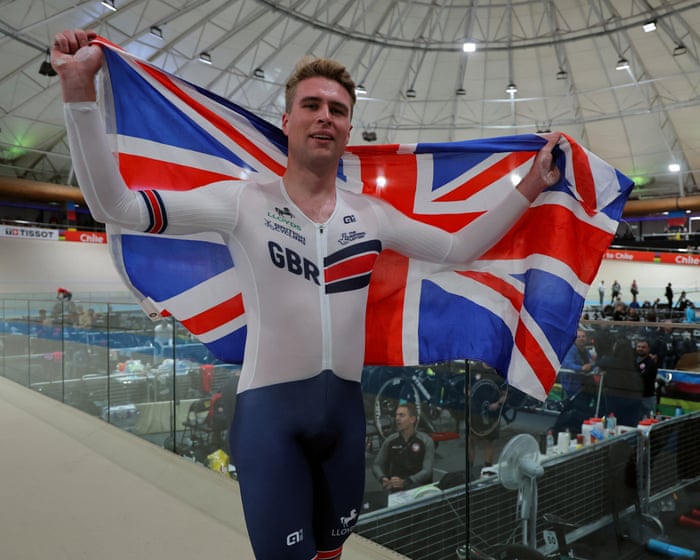
The mood in the British camp is now one of focused ambition. With the team pursuit and sprint events still to come, the “gold rush” initiated on this opening weekend acts as a powerful catalyst. Team leaders have emphasized that these victories are the result of meticulous data analysis, cutting-edge equipment, and, most importantly, the individual grit of the athletes. For the fans watching in Ballerup and back in the UK, the sight of the Union Jack raised twice in one evening is a reminder that the heritage of British track cycling remains in very capable hands.
The Road to 2028 Starts in Ballerup
While a World Championship gold is a career-defining achievement in its own right, the context of these wins extends far toward the Los Angeles 2028 Olympic Games. The Track World Championships serve as the primary testing ground for the strategies and technologies that will eventually be deployed on the Olympic stage. For Tarling and Charlton, these titles establish them as “marked” athletes—competitors whom the rest of the world will now study and attempt to emulate. Maintaining this level of dominance over the next three years will be the ultimate challenge.
As the dust settles on this historic evening in Denmark, the significance of these performances lies in their diversity. Winning in both a pure time-based event and a tactical bunch race shows the depth of talent within the British system. The 2025 championships have only just begun, but with two gold medals already secured, Great Britain has sent a clear message to the international cycling community: the hunt for glory is far from over. For Tarling and Charlton, the rainbow jerseys they now wear are not just symbols of past success, but armor for the battles yet to come.